Why are the young always dismissed until they take to the streets?
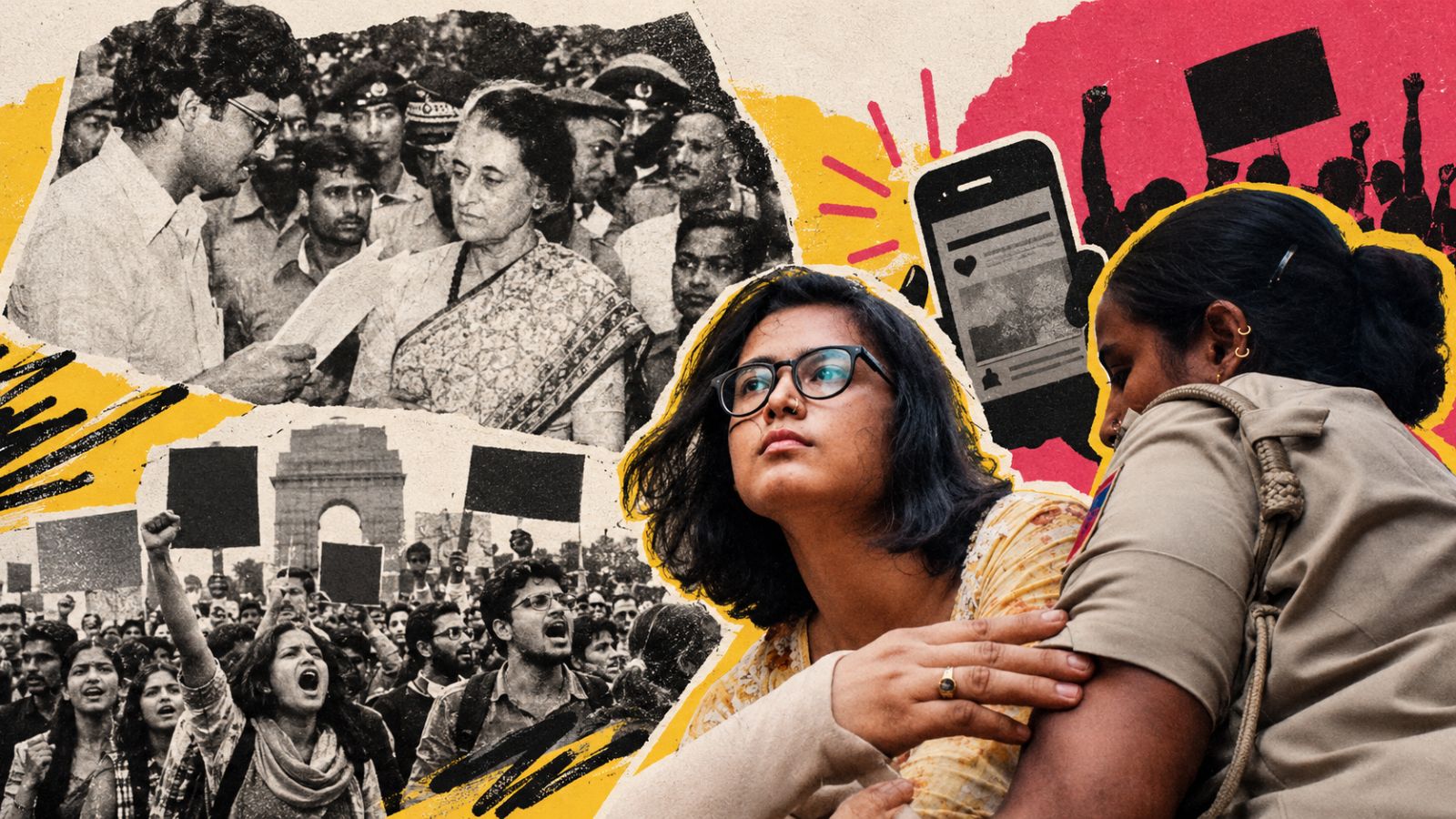
In 1977, young student leader Sitaram Yechury approached then-Prime Minister Indira Gandhi to request his resignation as Chancellor of Jawaharlal Nehru University, months after the Emergency ended. This quiet protest, led by Yechury, led to Indira Gandhi's resignation. Throughout history, student protests have shown that they can prompt urgent action and change, even when other forms of protest falter.
The 2026 movement stands out due to its unprecedented reach and diverse participation, including women leading the charge. Despite facing brutal police actions, women have repeatedly returned to the streets, with young individuals like Neha Bora and Aishe Ghosh becoming symbols of their cause. These movements, spanning decades and continents, have ultimately compelled governments to address public demands, with some even resulting in regime changes.
The 2026 protests, which call for Indira Gandhi's resignation and demand an end to democracy, have been marked by brutal police actions against women protesters. Despite family opposition, these young activists have persisted, driven by a passion and determination that challenges the notion of apathy among the younger generation.
Written by urgent.news from The Indian Express's reporting — not their text. Machine-written — may contain errors; check the original before relying on it.