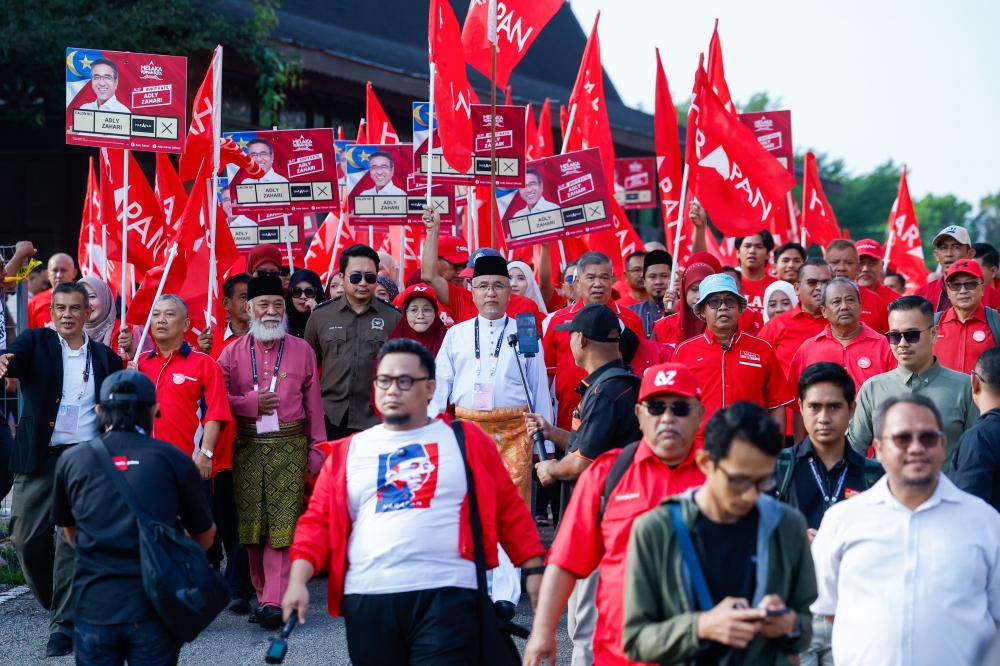
Why are paper ballots used for MLC polls? Explained
MLC elections use proportional representation through a single transferable vote. Voters rank candidates instead of picking just one. EVMs are built for “first-past-the-post elections” in India in which voter chooses one candidate, so they cannot record ranked preferences
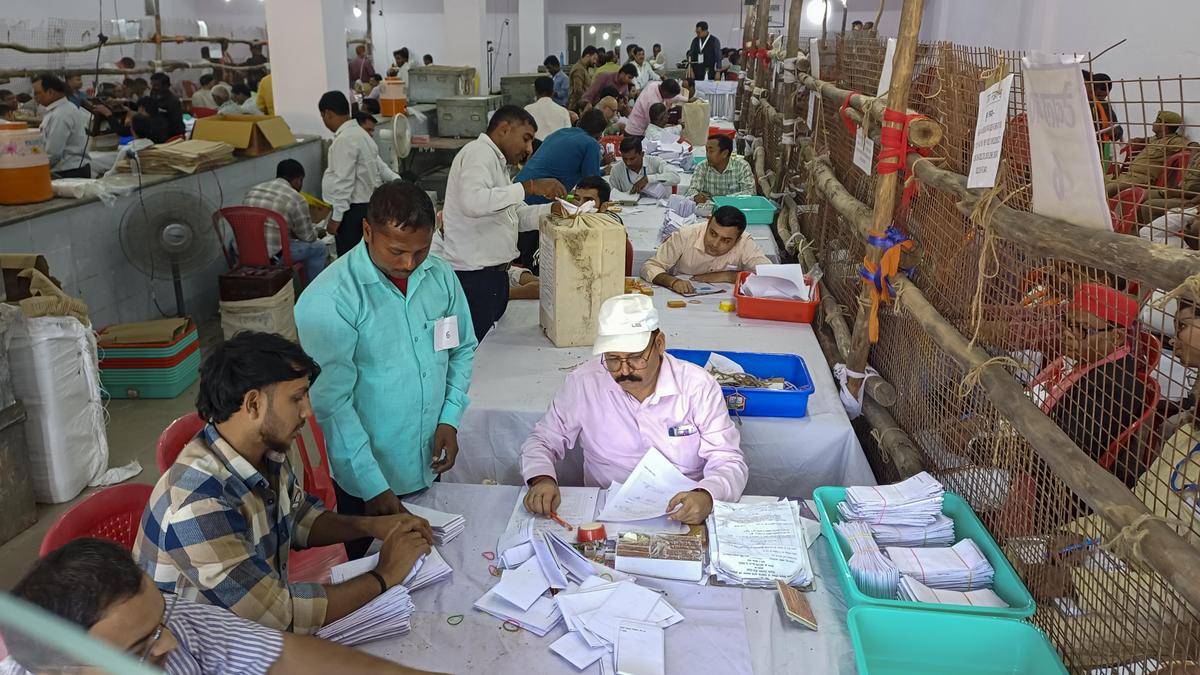
On October 23, elections were held for 28 seats of Members of Legislative Council (MLC) across four states. The Bharatiya Janata Party (BJP) emerged victorious, securing 13 seats. Its alliance partners — Shiv Sena (Eknath Shinde), Janata Dal (United) and Janata Dal (Secular) — each won a single seat, bringing their total to 16. The Congress, however, managed to win only one seat in Maharashtra.
Polling for MLC seats is conducted using paper ballots. This method sparked criticism from Prime Minister Narendra Modi, who directly targeted the Congress' long-standing opposition to Electronic Voting Machines (EVMs) and its persistent demand to revert to paper ballots. The Congress has often campaigned against EVMs, arguing that paper ballots are more secure and transparent.
Written by urgent.news from The Hindu's reporting — not their text. Machine-written — may contain errors; check the original before relying on it.