Uba Sani is champion of human capital development — Institute
Governor Uba Sani has bagged the Distinguished Human Capital Development Champion Award, in recognition of his outstanding investments in education, skills development, youth empowerment and sustainable development. The Chartered Institute of Human Capital Development of Nigeria (CIHCDN), which honoured him with the award, noted that it celebrates the Governor’s people-centred policies. The award…
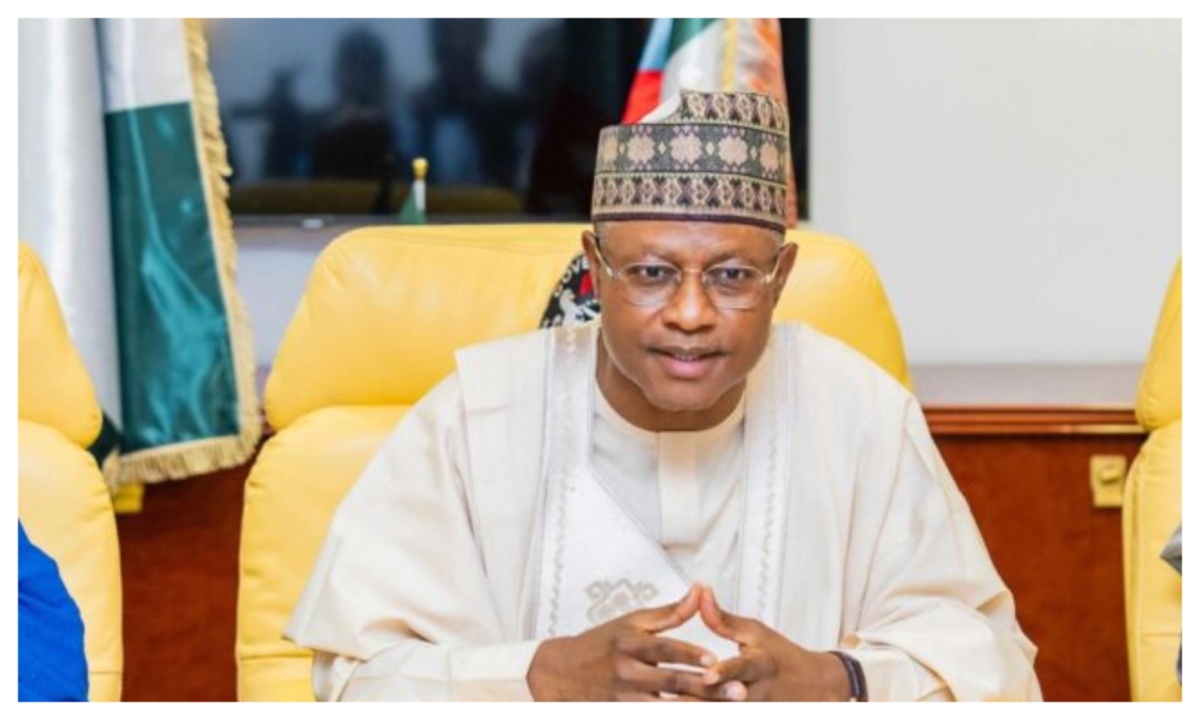
Governor Uba Sani of Kaduna State has been presented with the prestigious Distinguished Human Capital Development Champion Award by the Chartered Institute of Human Capital Development of Nigeria (CIHCDN). The honour comes in recognition of the Governor's exceptional investments in education, skills development, youth empowerment and sustainable development in his state.
The award was presented at the Institute's National Conference, held in Abuja, and highlights the Governor's commitment to people-centred governance and policies that benefit the citizens of Kaduna State.
The CIHCDN described the Governor's initiatives as a model for other regions to follow, as they deliver sustainable development and improved living conditions for the people of Kaduna State. Speaking after receiving the award, Malam Ahmed Maiyaki, Commissioner of Information and Culture, expressed the Governor's gratitude for the recognition and mentioned several key achievements under his administration.
These include the establishment of three Vocational Training and Skills Development Centres, which are set to provide practical skills to approximately 32,000 young people each year across 14 trades.
The recognition, according to Maiyaki, serves as encouragement for the Governor to continue his efforts in consolidating reforms and accelerating investments in human capital development. The Governor's commitment to placing people at the heart of governance is evident in the substantial investments made in education, healthcare, agricultural development, and rural transformation.
These include the construction of 736 new classrooms, renovation of over 1,200 classrooms, and the recruitment and training of more than 33,000 teachers to improve the quality of education and expand access. Additionally, the administration has increased scholarship and bursary support, reduced tuition fees, and made significant investments in rural livelihoods through the distribution of fertiliser to smallholder farmers.
Written by urgent.news from Daily Post Nigeria's reporting — not their text. Machine-written — may contain errors; check the original before relying on it.