The Slate vs Ford Fathom debate might be settled by this one key tech feature
Slate and Ford are both building affordable electric pickups, and that means compromises. But the two automakers are taking very different paths to get there.
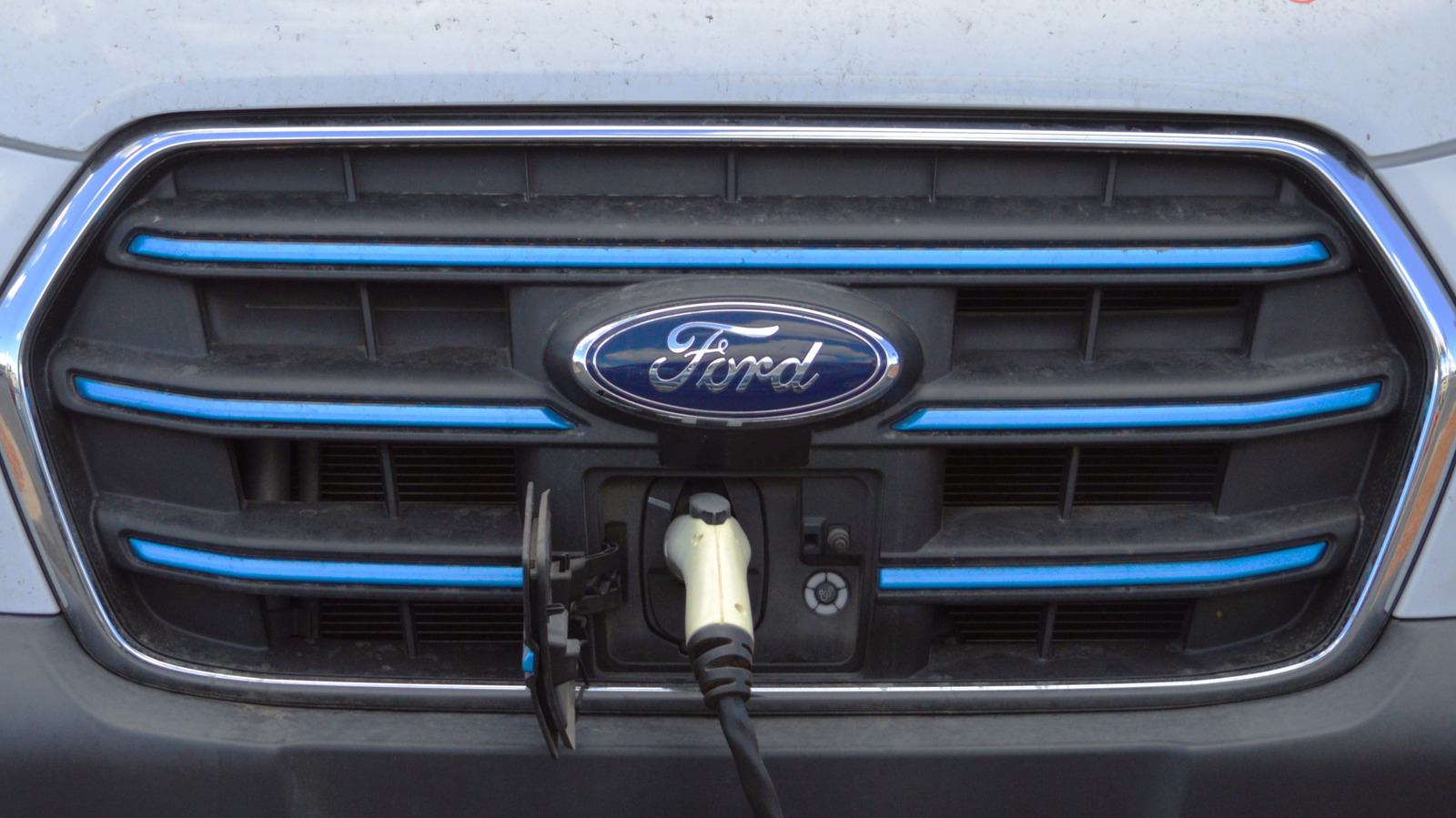
Both Ford and Slate are in a race to bring an affordable electric pickup to market, with prices under $30,000. The Slate Blank Truck starts at $24,950, while the Ford Fathom begins at $28,350. Ford's Fathom will include a large touchscreen with Apple CarPlay and Android Auto, while Slate opts for a more minimalistic approach, allowing customers to mount and charge their smartphones.
Slate's minimalist design aims to simplify the user experience, but it could leave some drivers longing for the familiar infotainment features typically found on a center display. Slate's strategy is to rely on the smartphone for navigation, music, and other compatible apps, with the expectation that vehicle software updates can be downloaded onto the user's device and transferred to the truck, eliminating the need for a cellular connection.
This approach reduces costs and keeps the truck's hardware from becoming outdated as it ages. However, the smaller phone screen may compromise the user experience compared to a dedicated dashboard display. Conversely, Ford's approach is more familiar, as the Fathom will feature a built-in screen supporting CarPlay and Android Auto.
The truck will also have a digital key, bidirectional power, and the infrastructure necessary for Ford's next-generation BlueCruise hands-free system, which requires activation. Ford has yet to disclose the Fathom's projected range, towing capacity, or payload. Preorders for the Fathom are set to begin in early 2027. The infotainment gap between the two vehicles can be attributed to their respective manufacturing philosophies.
Slate is starting from the ground up, questioning what components are essential, while Ford, with decades of experience in vehicle manufacturing, has opted to simplify the engineering and assembly processes by utilizing a more cost-effective Universal EV Production System. This system boasts 20% fewer parts, 50% fewer cooling hoses and connections, and a significantly shorter wiring harness than Ford's previous electric SUV, the Mustang Mach-E.
Ultimately, both companies are investing heavily in cost-cutting measures, with Ford allocating $2 billion to retool their Louisville Assembly Plant. The importance of smartphone connectivity via CarPlay or Android Auto in today's vehicles is evident, with a recent Deloitte Global Automotive Consumer Study revealing that 63% of US respondents found it somewhat or very important in their next vehicle.
Despite Slate's seemingly simplistic approach, offering smartphone integration might just be the little feature that feels significantly bigger once drivers have experienced its absence. The five-seat Fathom, on the other hand, aims to provide a more traditional daily driver experience.
Written by urgent.news from Engadget's reporting — not their text. Machine-written — may contain errors; check the original before relying on it.