Researchers target manufacturing emissions under Laser4NetZero project in push for greener EVs
Researchers under a project called Lasers4NetZero are developing advanced laser technologies and artificial intelligence (AI) systems, to reduce manufacturing emissions, material waste and production costs associated with Electric Vehicles (EVs). The post Researchers target manufacturing emissions under Laser4NetZero project in push for greener EVs appeared first on Ghana Business News .
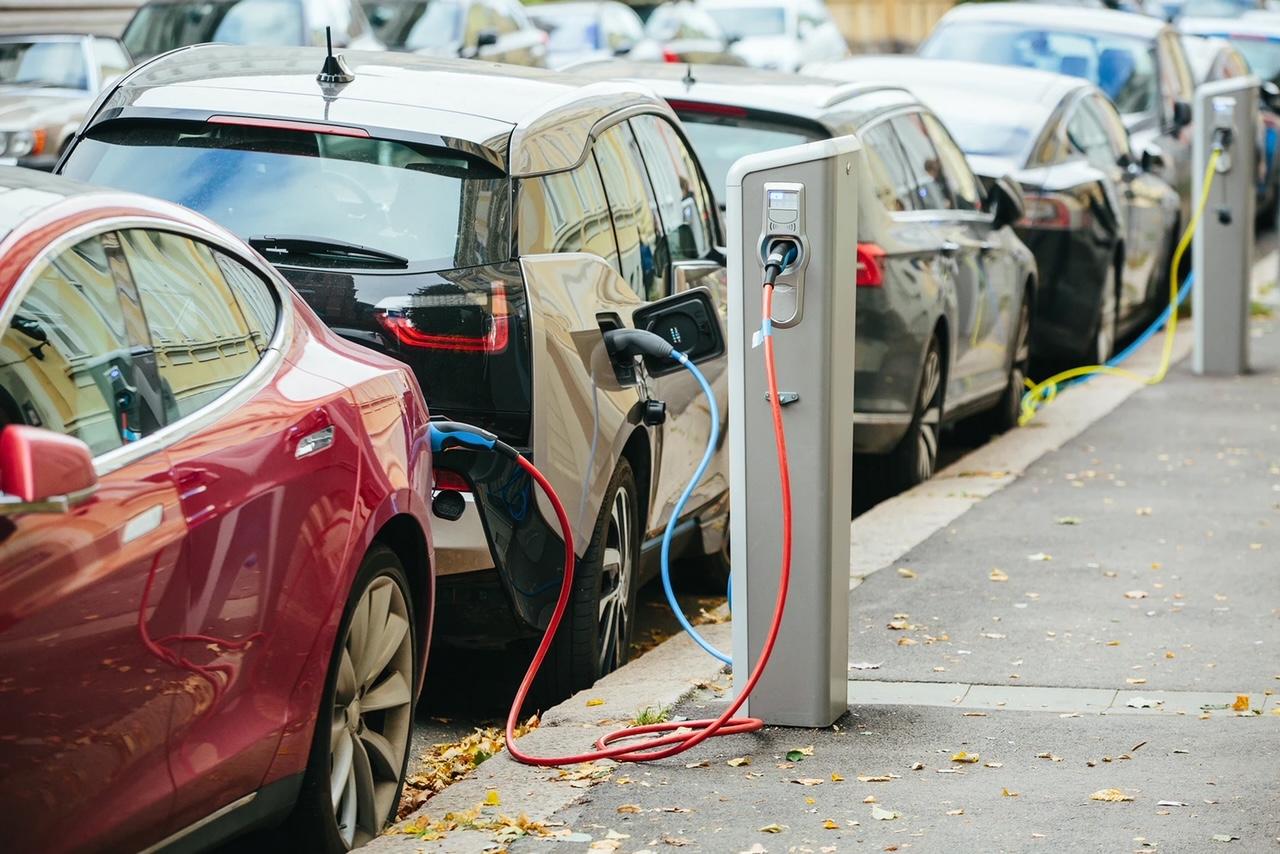
A European Union-funded project named Lasers4NetZero is targeting manufacturing emissions and waste in Electric Vehicles (EVs) by developing advanced laser technologies and artificial intelligence (AI) systems. The four-year initiative, which runs from January 2024 to December 2027, focuses on improving the production of EV batteries and fuel cells using laser-based cutting and welding, advanced process simulation, and intelligent quality-control systems.
Researchers are integrating laser technologies with AI to enhance manufacturing precision, reduce waste, and improve the quality of components. According to Professor Alessandro Fortunato, the Project Coordinator from the University of Bologna, Italy, about 30% of EV-related emissions could be attributed to manufacturing processes. Thus, improving production efficiency is crucial for achieving greener mobility.
The project aims to reduce energy consumption and production costs while enhancing battery and fuel cell quality. For instance, researchers are exploring laser technology alternatives for electrode drying, a traditionally energy-intensive step in battery production. Furthermore, the project also aims to develop real-time monitoring and control of welding processes to detect and correct irregularities before defective components are produced.
The project is being carried out by a consortium that includes six academic institutions and eight industrial partners across Europe and Africa. It also involves assessing the sustainability of batteries and fuel cells throughout their lifecycles and finding ways to recover and reuse valuable raw materials. With an EU contribution of around €2.6 million, the project will validate its research through demonstrators for fuel-cell components and battery systems.
Additionally, the initiative aims to strengthen cooperation between academia and industry while grooming a new generation of engineers with the skills necessary for advancing cleaner and more efficient manufacturing technologies.
For Pentecost University, Ghana's Vice-Chancellor, Reverend Professor Kwabena Agyapong-Kodua, the Lasers4NetZero project provides an opportunity for students to learn and work with emerging technologies, thereby preparing them for the evolving automotive and manufacturing industries. The university is also establishing an engineering village to support this initiative, which is expected to be completed by July 2027.
Written by urgent.news from Ghana Business News's reporting — not their text. Machine-written — may contain errors; check the original before relying on it.