Reparative justice: Kpebu to embark on a demo to insist on financial benefits
He makes the point that the apology from the colonial masters is good, but it must also come with financial benefits to Ghana.
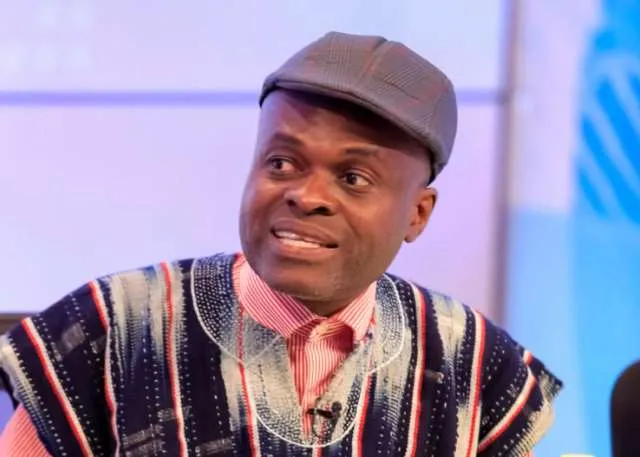
Legal expert Martin Kpebu has announced plans for a demonstration to demand financial compensation for Ghana in reparative justice matters. Kpebu emphasizes that while the apology from European nations is significant, it must be coupled with tangible financial benefits for Ghana. Speaking on TV3's Key Points on October 31, Kpebu urged Ghanaians to support President Mahama in his push for reparative justice.
President John Dramani Mahama outlined three key pillars to guide Ghana's involvement in global reparative justice efforts following a UN resolution recognizing the transatlantic slave trade as a heinous crime against humanity. During a side event at the 81st UN General Assembly in New York, Mahama proposed a standardized international system for the return of cultural artifacts held overseas.
The first pillar involves building upon existing progress and establishing a formal international mechanism for artifact returns, citing examples such as the Netherlands' return of 2,000 Ghanaian artifacts and France's legislative actions. Mahama stressed that moral justice should not be contingent on piecemeal gestures but rather on the establishment of a permanent, institutionalized global system.
The second pillar calls for rejecting the notion that the return of African artifacts should be delayed due to capacity constraints in receiving countries. Mahama argues that capacity development should serve as a means to facilitate restitution, not an obstacle. He highlighted Africa's investments in infrastructure for preserving returned cultural heritage, such as the Great African Museum project and the Ghanaian construction of modern national and traditional institutions.
The third pillar advocates for recognizing cultural heritage as a catalyst for economic and social development, rather than an afterthought. Mahama contends that properly preserved cultural artifacts can bolster education, tourism, and the creative economy. He rejects the idea that African nations lack the capacity to receive and preserve returned artifacts, emphasizing that such concerns should not serve as justification for continued possession outside the continent.
In March, the UN General Assembly adopted Resolution 80/250, which recognized the transatlantic slave trade as the gravest crime against humanity and called for the unjustified return of cultural property, sacred artifacts, and national archives.
Written by urgent.news from 3News's reporting — not their text. Machine-written — may contain errors; check the original before relying on it.