Power bills and data centers cast rare spotlight on utilities in US midterms
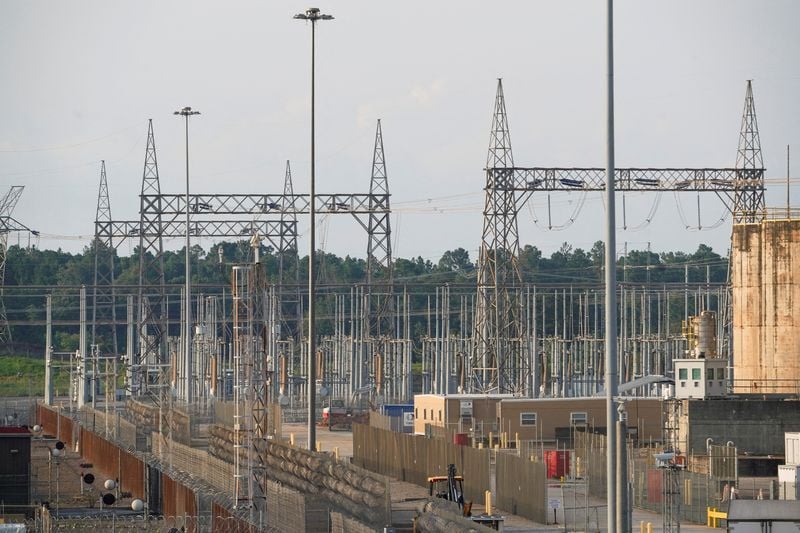
In the 2024 US midterm elections, electricity prices and data centers have emerged as a prominent political issue, driven by rising utility bills and the construction of power-intensive data centers. According to Energy Information Administration data, home electricity prices in the United States have increased by more than 10% since 2024, when President Donald Trump was elected, along with Republican majorities in both houses of Congress.
In battleground states like Ohio, Michigan, and Pennsylvania, which are also home to new data centers, power bills have risen even faster, sometimes surpassing triple the inflation rate.
Politicians running for statehouse seats across the country have advocated for stricter regulations on utilities, proposing measures such as freezing rate increases and reducing guaranteed returns. These proposals could significantly impact the nation's utility industry. Utilities are heavily regulated, with state regulators approving spending on the grid and recovering costs through rate hikes. Utilities are also expected to request record high $31 billion in rate increases this year, more than double last year's record.
Utilities are on track to carry out nearly $1.3 trillion in capital spending over the next five years. This year, nine state public utility commissions have elections, with many utility regulators being appointed by governors in states where commissioners are not directly elected. In Ohio, Democratic gubernatorial candidate Amy Acton has pledged to lower energy bills and appoint a commission not beholden to utility companies.
Her Republican opponent, Vivek Ramaswamy, has promised to prevent data center residents from paying electricity bills.
Some governors have used their political power to pressure utilities to keep prices down. In April, Pennsylvania Governor Josh Shapiro prevented PECO Energy from raising rates, reducing future utility bills by up to $34 a month. Governors see this crisis as an opportunity to review the utility regulatory model and determine its effectiveness.
However, reducing guaranteed returns and freezing rates may not significantly lower household bills and could lead to a long-term reduction in grid investments. Fitch Ratings recently downgraded the North American utility sector to "deteriorating" due to political pressure to limit electricity bills and utility profits.
Written by urgent.news from Investing.com's reporting — not their text. Machine-written — may contain errors; check the original before relying on it.
This story
This is one outlet's version. Read the fullest account.
- Power bills and data centers cast rare spotlight on utilities in US midterms channelnewsasia.com