Meet the Werewolf Mouse, the Tiny Predator That Howls at Night and Hunts Scorpions and Other Mice
Discover a desert-dwelling rodent that takes on venomous scorpions, hunts other mice, and lets out a wolf-like howl.
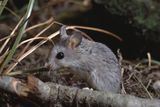
The werewolf mouse, also known as the grasshopper mouse, is a small nocturnal rodent native to the deserts of northwestern America. Unlike its common counterparts, this unique mouse exhibits remarkable predatory abilities, hunting venomous scorpions, centipedes, and even other mice. Its fierce reputation stems from its carnivorous diet, which consists of insects like grasshoppers, beetles, and crickets, along with other small vertebrates such as kangaroo rats, white-footed mice, and voles.
One of the most distinctive characteristics of the werewolf mouse is its ability to howl like a wolf, a behavior that echoes its moniker. Although its howl may not startle humans, it serves as a territorial announcement within the dark, desert environment it inhabits. This eerie sound, measured at 9 to 14 kHz, is believed to be a form of communication among these highly territorial and aggressive rodents.
The werewolf mouse's adaptations to survive in the harsh desert landscape are truly impressive. It develops immunity to the venomous bark scorpion, converting the toxin into a temporary painkiller, while its specialized teeth are perfectly suited to its predominantly carnivorous diet. To avoid the extreme heat of the day, the mouse retreats to abandoned burrows of other mammals and rodents or constructs its own den for safe nesting and food storage.
There are three recognized species of grasshopper mouse: the northern grasshopper mouse (Onychomys leucogaster), the southern grasshopper mouse (O. torridus), and Mearns’ grasshopper mouse (O. arenicola). Each species occupies different regions of the southwestern United States and northern Mexico. Generally, these mice prefer arid and scrubby desert environments, where they live for two to five years.
Weighing just 1.7 ounces and measuring around 5 inches in length, the werewolf mouse can be identified by its silky gray to reddish-brown upper coat and a white undercoat.
Written by urgent.news from Discover Magazine's reporting — not their text. Machine-written — may contain errors; check the original before relying on it.