Logan Paul Just Proved His 'Pokémon' Haters Wrong
The YouTube personality and his ongoing Pokémon money-making schemes is still flawed, but Logan Paul's actually into the trading card game.
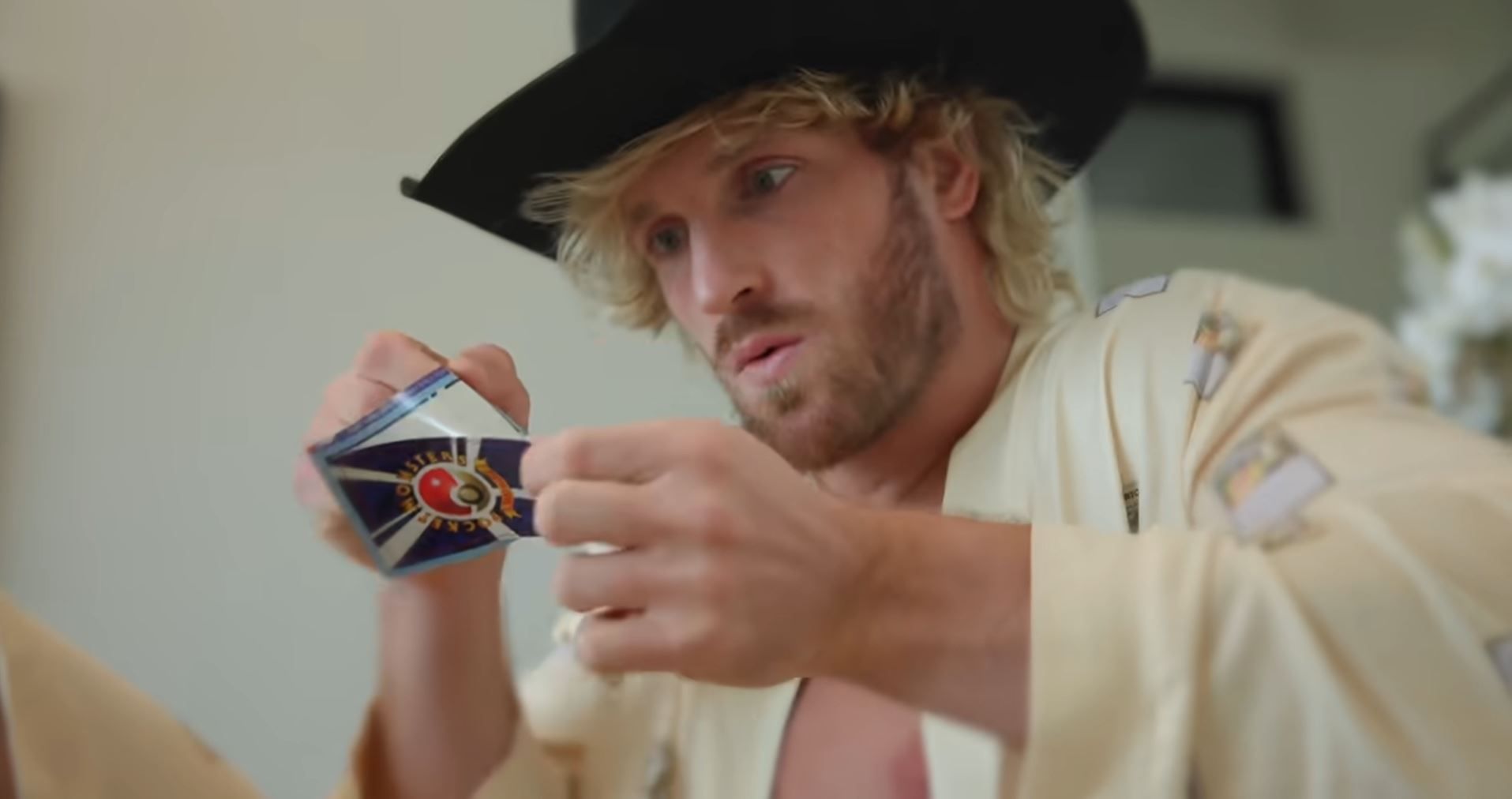
YouTuber Logan Paul, known for his controversial actions and profiteering, has come under fire for his alleged love of Pokémon. However, a recent revelation suggests that the influencer may genuinely enjoy the franchise. Paul's professed admiration for Charizard is considered basic, but he has capitalized on the Pokémon hype, most notably through the sale of an ultra-rare Illustrator Pikachu card for $16.4 million.
In a recent video, Paul revealed an internal struggle over his newfound wealth. Despite considering investment options, he ultimately chose to buy more Pokémon cards. This behavior is reflective of the typical collector's journey, where one becomes so obsessed with acquiring a specific item that they spend significant sums of money to obtain it.
Paul has reportedly spent nearly $3 million in pursuit of a pristine copy of early Pokémon cards and recently purchased sealed boxes of old Pokémon cards for $400,000. He has also spent a substantial amount on the One Piece manga. While some of Paul's spending may have been for business purposes, the majority was still tied to Pokémon cards.
Critics argue that Paul's actions contradict genuine fandom, as his primary motivation appears to be making money. Nonetheless, Paul's passion for Pokémon seems to be sincere, even if his spending habits may not always align with the values of a true collector.
Written by urgent.news from Polygon's reporting — not their text. Machine-written — may contain errors; check the original before relying on it.