Jewish banker's heirs sue Sotheby's over £1.2m 'Nazi-looted' painting
A prized artwork by Camille Pissarro is embroiled in a contentious legal battle initiated by the heirs of Salomon Flavian. They assert that the piece was taken by the Nazis during WWII and argue that they were not adequately involved in a prior settlement. Sotheby’s counters, insisting the sale was aboveboard and legally sound. This dispute highlights ongoing hurdles in recovering Holocaust-era…
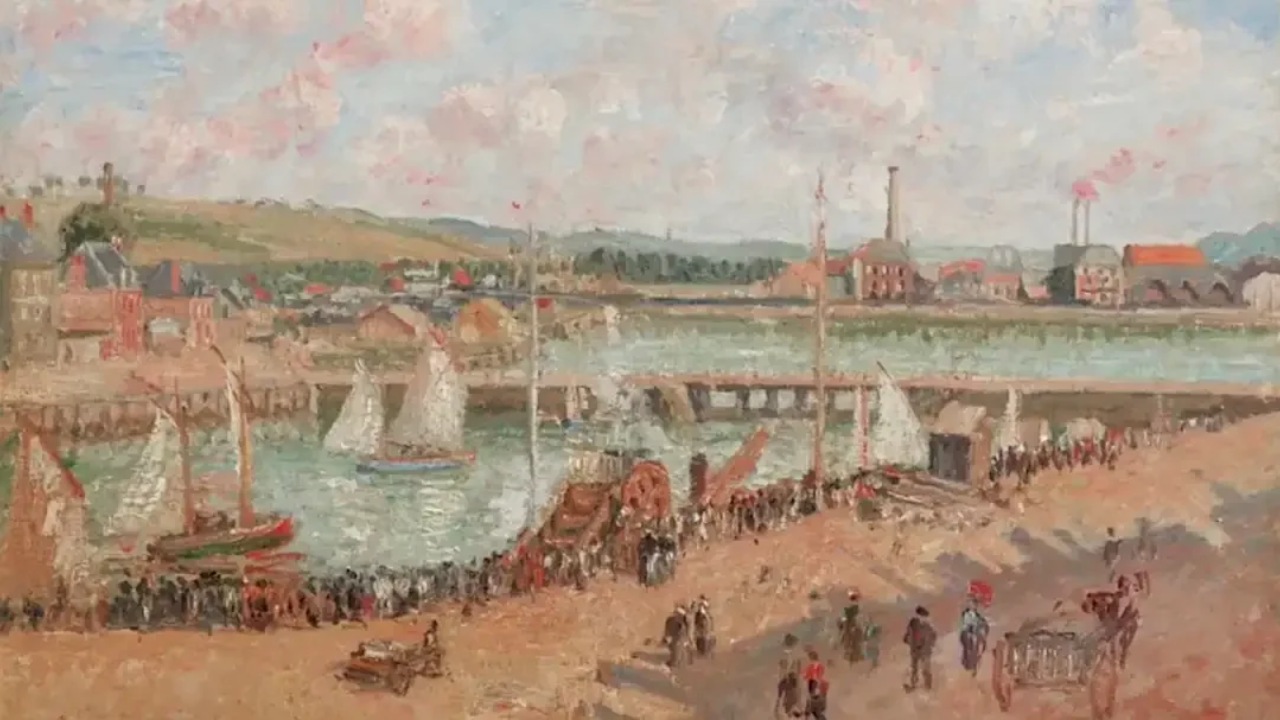
A legal dispute has erupted over a £1.2 million painting by Impressionist artist Camille Pissarro, which was sold by auction house Sotheby's in 2024. The artwork, titled "Darse de pêche et bassin Duquesne, Dieppe, après-midi ensoleillée," has been at the center of controversy due to its disputed ownership, as it was seized by the Nazis during World War II.
Seven descendants of Salomon Flavian, a Jewish banker and art collector, are challenging Sotheby's agreement to sell the painting. They argue that they were not adequately consulted before the sale and that the Nazis likely stole the artwork from their family. The auction house denies these claims, stating that the painting was sold pursuant to a settlement agreement and that it was included in a postwar government register of looted art.
The painting's ownership history has been a subject of scrutiny, as it is listed in France's Répertoire des biens spoliés, a government record of property taken during the German occupation. However, the presence of the painting in the register does not conclusively prove that it was seized by the Nazis. The painting's provenance, or documented ownership history, is central to the legal dispute.
Sotheby's maintains that the settlement was disclosed in its catalogue, while the painting's owners argue that only two relatives signed the agreement, and the other descendants were excluded from the negotiations. The auction house has also challenged the French court's jurisdiction, claiming that the transaction took place in London and that the parties had no direct relationship with France.
The resolution of this case could have significant implications for the family's claims to the artwork and the broader issue of Nazi-looted art. The court's decision will determine whether the settlement can be challenged and how the family's rights will be addressed.
Written by urgent.news from Times of India's reporting — not their text. Machine-written — may contain errors; check the original before relying on it.