Indigenous rangers and scientists work together to save Great Desert Skink
As the Great Desert Skink teeters on the brink of extinction, Indigenous rangers and scientists are working to save the culturally significant lizard.
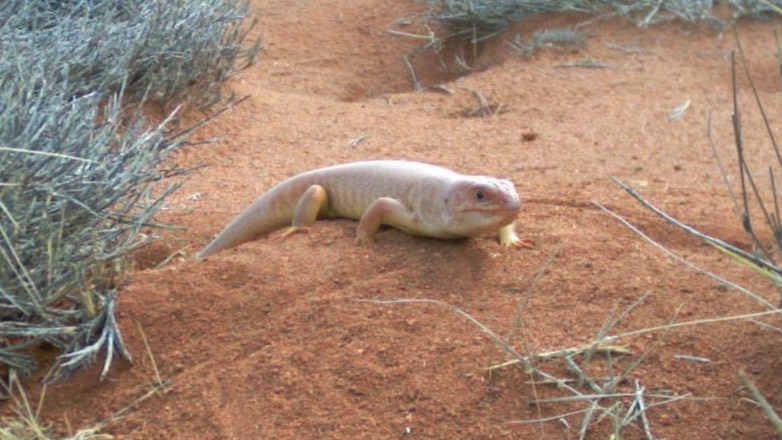
Indigenous rangers, traditional owners, and scientists are collaborating to rescue the Great Desert Skink from extinction. The lizard's population currently ranges from 5,000 to 7,000 individuals. In 2027, a survey will determine if reducing predators and managing fires has helped the skink's population growth. Indigenous rangers, traditional owners, and scientists in Australia's desert regions have united to save the reptile, endemic to the continent.
Once common, there are now only about 5,000 to 7,000 Great Desert Skinks left in the wild, classifying it as threatened. Lara Paijmans, an ecologist involved in the national species recovery plan, noted the species' unique reproductive habits, living with family in communal burrows and sharing a common latrine. Up to 20 ranger groups, including the Tjakura Rangers from the remote community Mutitjulu, have been conducting annual surveys since 2023.
The Tjakura Rangers manage the Katiti Petermann Indigenous Protected Area, where burrows have been discovered near Uluru-Kata Tjuta National Park. The rangers aim to transition the skink from threatened to common, battling fire and predator threats through fire management, predator removal, and camera trap monitoring.
Written by urgent.news from ABC News AU's reporting — not their text. Machine-written — may contain errors; check the original before relying on it.