India launches NVS-03 to boost its homegrown GPS system
ISRO launches next-gen satellite to boost India's indigenous GPS system
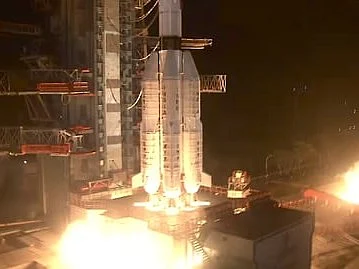
New Delhi: India's space agency ISRO launched its next-generation navigation satellite, NVS-03, on Friday, aboard the GSLV-F18 rocket. The launch occurred at 11:51 pm from the Satish Dhawan Space Centre in Sriharikota, Andhra Pradesh. ISRO announced on X that the GSLV-F18 carrying NVS-03 lifted off at 11:51 PM IST from the Second Launch Pad, with the rescue mission for NavIC now underway.
The 50-metre tall, three-stage GSLV-F18 rocket transported the 2,232 kg NVS-03 satellite, aiming to place it into a Geosynchronous Transfer Orbit (GTO). Once in its final geosynchronous slot at 32.5 degrees East, the satellite will conduct orbit-raising maneuvers. NVS-03 is the third satellite of the second-generation NVS series, designed to bolster the Navigation with Indian Constellation (NavIC) system, an indigenous GPS alternative, and maintain navigation services continuity.
NVS-03 incorporates an indigenous atomic clock alongside procured atomic clocks and includes the L1 navigation signal alongside the existing L5 and S signals, enhancing the system's navigation capabilities. The satellite's coverage extends over India's landmass and a region encompassing approximately 1,500 km around the Indian geopolitical boundary.
ISRO explained that NavIC offers two services: the Standard Positioning Service (SPS) for civilian users and the Restricted Service (RS) for authorized users. The agency has planned five second-generation navigation satellites to augment the existing NavIC constellation with enhanced features, ensuring the continuity of services.
Written by urgent.news from Gulf News's reporting — not their text. Machine-written — may contain errors; check the original before relying on it.