In super-aged Korea, social isolation leaves seniors searching for connection
Tucked away near the rear entrance of Seoul Station is a building bustling with older adults coming and going. Inside, dozens of white-haired visitors fill the space, some drinking cheap coffee while others watch television. Farther inside, two barbers cut the hair of older visitors. A narrow staircase leads down to a basement, where a small PC cafe with a row of computers and tables for "baduk"…
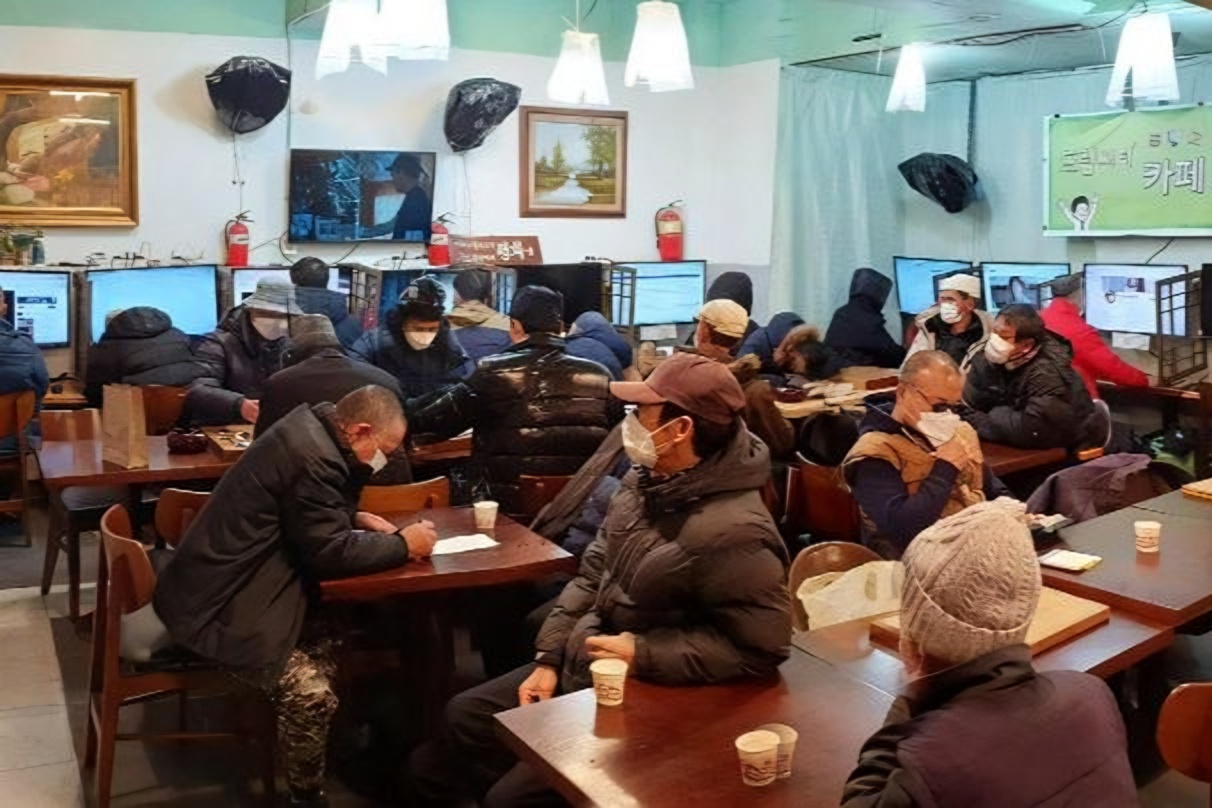
In the heart of Seoul, a unique social hub known as Dream City has emerged to address the growing issue of social isolation among the elderly population. Tucked away near the rear entrance of Seoul Station, this building is a vibrant gathering place for seniors, where they can socialize, relax, and engage in activities like playing board games and having their hair cut.
Operating since 2011, Dream City has served as both a church and a community center, providing a safe haven for more than 300 older adults who visit daily from across the capital. Founded by pastor Woo Yeon-shik, the center's primary mission has always been to assist the homeless, but its role has evolved into something far more essential in recent years.
As Korea faces a rapidly aging society, grappling with high suicide rates and profound social isolation, Dream City has become a lifeline for many seniors. For Woo, the center's purpose has shifted from its original intent to offering a space where older people can come together, feel a sense of belonging, and engage in meaningful activities. The space is constantly open, welcoming visitors without imposing any specific requirements, allowing them to simply be present and connect with others.
Written by urgent.news from The Korea Times's reporting — not their text. Machine-written — may contain errors; check the original before relying on it.
This story
This is one outlet's version. Read the fullest account.