How the US midterms could reshape the outlook for the dollar, bonds and Wall Street
Polls point to a Democratic victory that could lead to greater scrutiny of AI and shape expectations for the 2028 presidential race, while doing little to ease concerns over the country’s debt burden
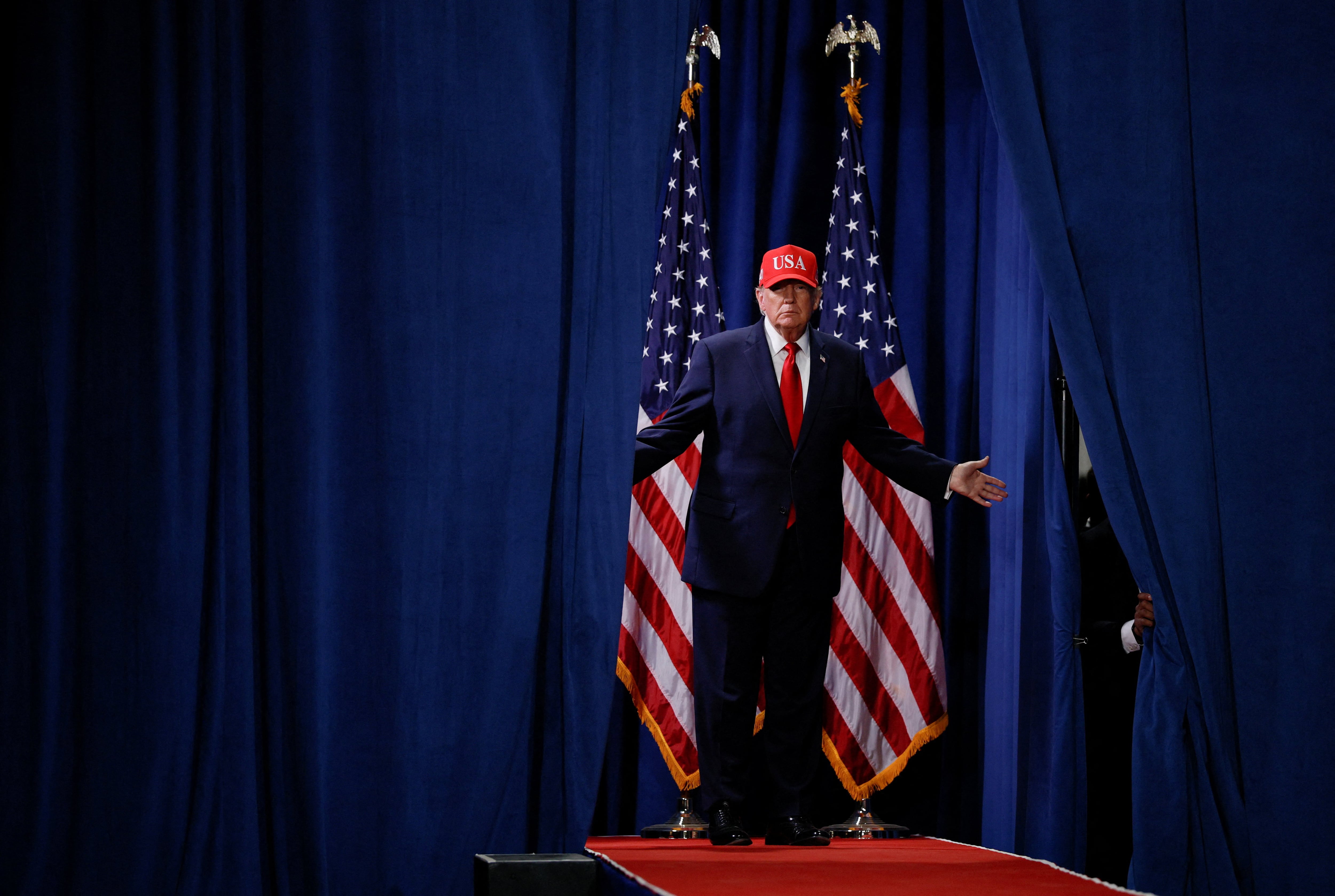
The United States will hold midterm elections on November 3, with all House seats and one-third of the Senate up for grabs. The vote is seen as a referendum on President Donald Trump, whose approval ratings are at their lowest since his return to the White House. Polls indicate Democrats are likely to regain control of Congress and could also win the Senate. This could lead to greater legislative scrutiny of Trump's policies, though he would still retain veto power and the ability to govern through executive orders.
Financial markets are watching the midterms closely, with attention focused on rising U.S. Treasury yields and concerns about the artificial-intelligence boom, which has driven Wall Street's rally. Neither party is interested in fiscal consolidation, given the country's budget deficit of over 6% of GDP and $40 trillion in debt. A Democratic victory might not result in sweeping regulation of artificial intelligence, but opposition to the technology is growing due to concerns about job losses and the high energy and water demands of data centers.
Analysts at Goldman Sachs predict investors will focus on what the election results could signal for the 2028 presidential election and future policy direction. Citi notes that the S&P 500 would be higher if it weren't for tariffs and the Iran conflict, both headwinds under the current administration. Investors expect a Democratic victory to lead to new policy considerations, such as higher corporate taxes and greater oversight of AI infrastructure.
However, the greater risk may be a fading honeymoon with artificial intelligence, as voters associate it with job losses and rising energy demand.
Democrats could restore subsidies for health insurance coverage and reignite debates over higher taxes on top earners, capital gains, and large corporations. However, these proposals may not become law. Michaela Huber, a multi-asset strategist at Vontobel, warns that if AI becomes associated with negative aspects, policymakers may face pressure to regulate it more aggressively.
Senior economist George Brown at Schroders agrees that Democratic control of both chambers would allow the party to intensify investigations and exert greater influence over nominations, even though President Trump would retain veto power and executive authority.
Written by urgent.news from El Pais English's reporting — not their text. Machine-written — may contain errors; check the original before relying on it.