Heavy pesticide use puts Keralam’s cardamom ecosystem under pressure
As growers face a year-round harvest cycle driven by warming temperatures, they mix up to five or six different products, including insecticides, fungicides, micronutrients, and growth promoters, into a single tank. Experts warn that such ‘tank cocktails’ can actually weaken cardamom plants, increase their disease risk, harms essential pollinators.
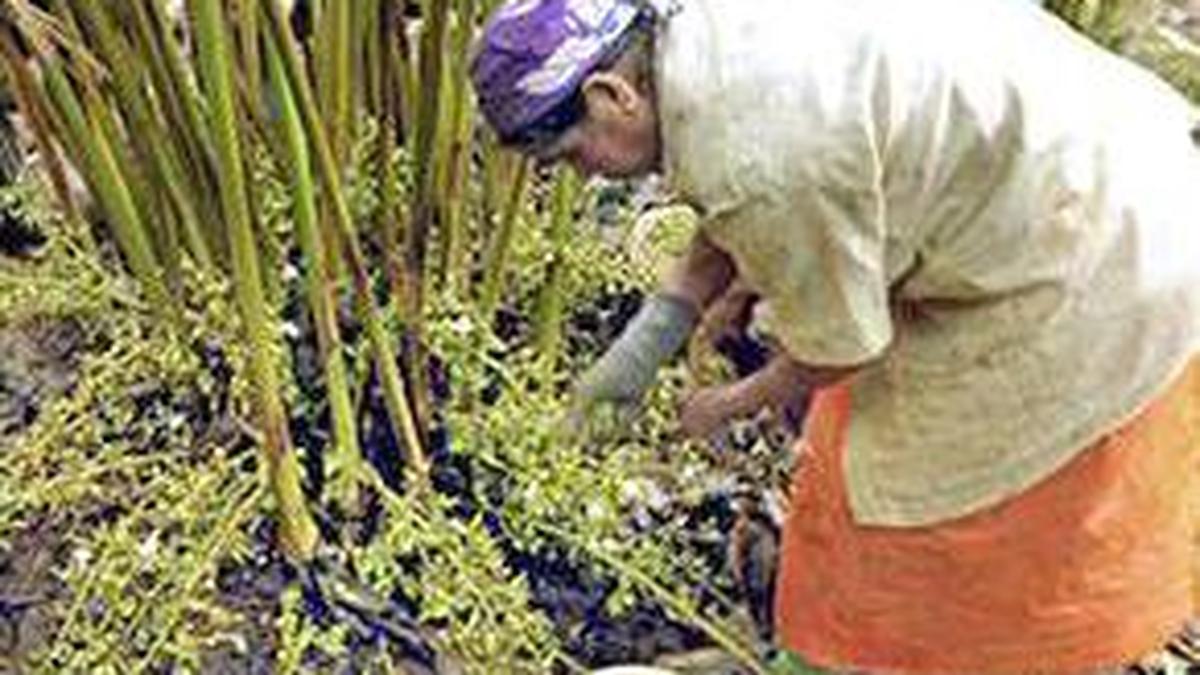
Cardamom growers in Kerala face an ongoing struggle to protect their high-value crop from pest attacks. Rising temperatures and erratic weather patterns have transformed cardamom plants' flowering and fruiting cycles, making them susceptible to continuous pest attacks. As a result, farmers are compelled to apply up to 18 to 24 pesticide rounds annually, comprising insecticides, fungicides, soil treatments, and growth regulators.
Muthusamy Murugan, former head scientist at the Cardamom Research Station in Pampadumpara, warns about the influx of cheap, unlabelled pesticides entering Kerala from neighboring states, which can damage the plants. Farmers often mix multiple chemical products in a single tank to save labor costs, but experts warn that these 'tank cocktails' can weaken the plants and increase disease risks.
The steep, rainy Cardamom Hills also face runoff issues, with pesticides frequently carried beyond target fields, harming essential pollinators and natural predators that maintain the cardamom ecosystem's health. To ensure the sustainability of the regional cardamom industry, experts recommend a shift towards targeted, single-molecule treatments, proper plant nutrition, and weather-aware pest management strategies.
Written by urgent.news from The Hindu's reporting — not their text. Machine-written — may contain errors; check the original before relying on it.
This story
This is one outlet's version. Read the fullest account.