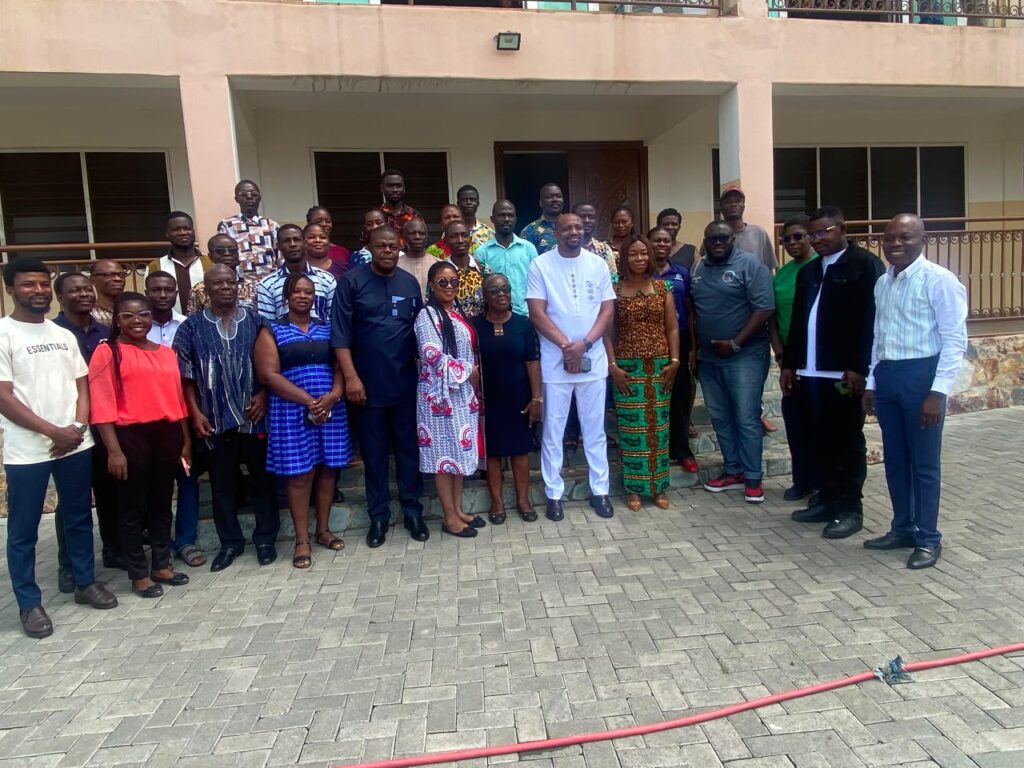
GTEC cautions universities against compromising quality in doctoral admissions
The Ghana Tertiary Education Commission (GTEC) has cautioned universities against admitting more doctoral candidates than their institutional capacity can adequately support, warning that the practice could undermine the quality and credibility of doctoral education in the country. The Commission said the expansion of doctoral programmes must be matched by adequate numbers of qualified…
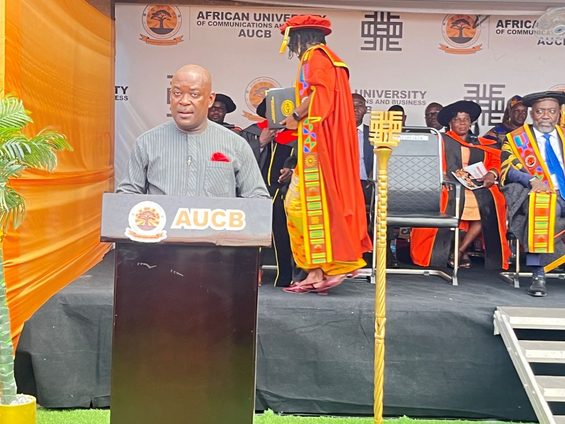
The Ghana Tertiary Education Commission (GTEC) has issued a warning to universities against admitting a higher number of doctoral candidates than their capacity can manage effectively. GTEC Director-General Professor Ahmed Abdulai Jinapor emphasized that this practice could jeopardize the quality and credibility of doctoral education in Ghana.
He warned that universities must ensure adequate numbers of qualified supervisors, research infrastructure, library resources, and funding to support doctoral education. During the graduation ceremony of the African University of Communication and Business in Accra, where 350 students, including 206 undergraduates and 144 postgraduate students, received their degrees, Jinapor emphasized that doctoral education is crucial for producing future researchers, lecturers, and policy makers, but the pursuit of higher enrollments should not compromise academic standards.
He stressed that growth in numbers must never surpass institutional capacity. Jinapor urged universities, especially newly chartered institutions, to align doctoral admissions with their actual capacity, emphasizing that quality, not quantity, should define doctoral education. He urged institutions to focus on aligning doctoral admissions with their actual capacity, ensuring that quality remains the primary focus rather than quantity.
Jinapor also addressed the theme of the graduation ceremony, highlighting the need for universities to adapt teaching, research, and industry engagement to prepare graduates for a technology-driven world. He noted that emerging technologies such as artificial intelligence, automation, big data, digital platforms, and cybersecurity are transforming professional and economic activities, making it imperative for higher education to equip students with relevant skills.
He warned against using online, blended, or distance learning as a shortcut to lower academic standards, stressing that degrees obtained through digital platforms must carry the same value as those awarded through traditional campus-based programmes. GTEC will continue to ensure that quality assurance mechanisms keep pace with evolving modes of educational delivery.
Jinapor encouraged graduates to embrace lifelong learning and acquire skills to work effectively with emerging technologies, urging them to distinguish credible information from misinformation and not allow technology to replace independent thinking, integrity, and sound judgment.
Written by urgent.news from Adom Online's reporting — not their text. Machine-written — may contain errors; check the original before relying on it.
This story
This is one outlet's version. Read the fullest account.