Government came to axe their livelihoods to light others’ homes. Then 5 villages fought back
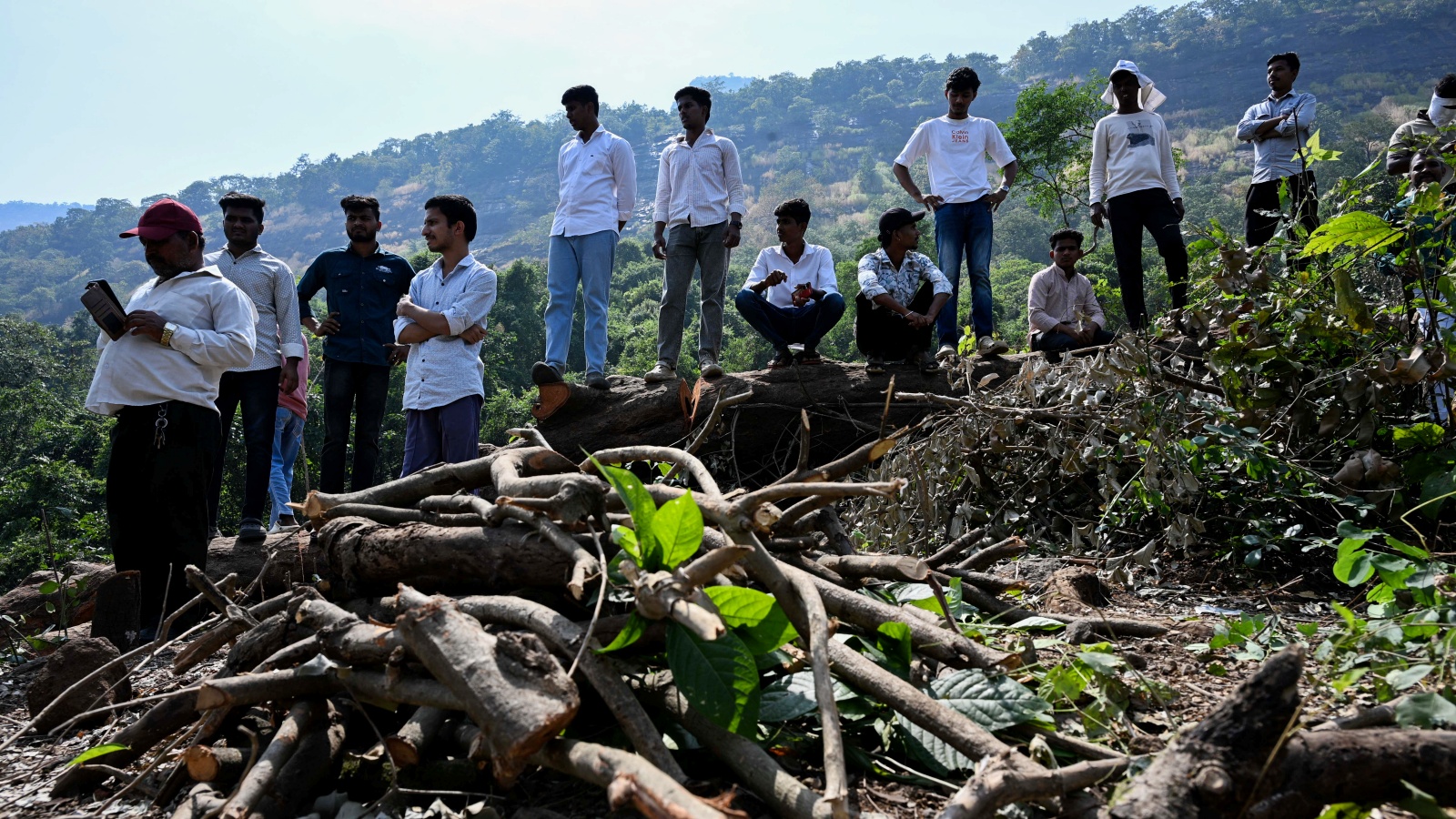
On Dussehra morning, villagers in Pali and four neighboring villages in Karjat taluka were startled by the sound of chainsaws in the forest. The forest department was conducting a tree-felling operation for a proposed 3,000-MW pumped storage hydropower project. Residents claimed they had not been notified about the impending tree cutting.
The project, estimated at Rs 13,505 crore, demands 377 hectares of land, including 233 hectares of forest department property and 144 hectares spread across Dhak, Pali, Potal, Ambot, and Bhaliwadi. A total of 32,400 trees are slated for removal.
Torrent Power, a Gujarat-based company, is developing the project. The tree felling sparked protests, with political leaders, environmentalists, and students visiting the site. The forest department halted the operation in response but villagers remain uncertain whether the pause is official or temporary. Over 1,000 trees have already been cut.
Pali's five villages are situated on the ridges of Saidongar Hill, a part of the Sahyadri range known for its dense vegetation and ecological sensitivity. The area is home to medicinal plants like gulvel (giloy) and adulsa (Malabar nut) and wildlife, including the Indian giant squirrel. Local families, primarily belonging to the Katkari tribal community, rely on the forest for income and sustenance.
They collect wood for sale in local markets and grow fruits and vegetables, some of which are sold and the rest consumed at home.
Forests have been a source of income and sustenance for the residents, who expressed deep distress at the destruction of their habitat. Residents reported repeated visits from government officials in the weeks leading up to the operation, but felt they were not informed about the tree-felling. Upon the start of the operation, villagers contacted neighbors, gathered at the site, and shared videos on social media, drawing attention from political leaders and environmental activists.
Chief Minister Devendra Fadnavis defended the project as a means to provide cleaner power during peak demand, stating that pumped storage would help balance the supply from renewable sources like solar and wind.
Written by urgent.news from The Indian Express's reporting — not their text. Machine-written — may contain errors; check the original before relying on it.