„Gen Z regelt“: Bundesweite Jugendproteste in ersten Städten gestartet
In mehr als 30 Städten wollen Jugendliche auf die Straße gehen, mehr als 182.000 Menschen haben ihre Teilnahme an den Protesten zugesagt. Ob sie am Ende alle kommen, ist offen.
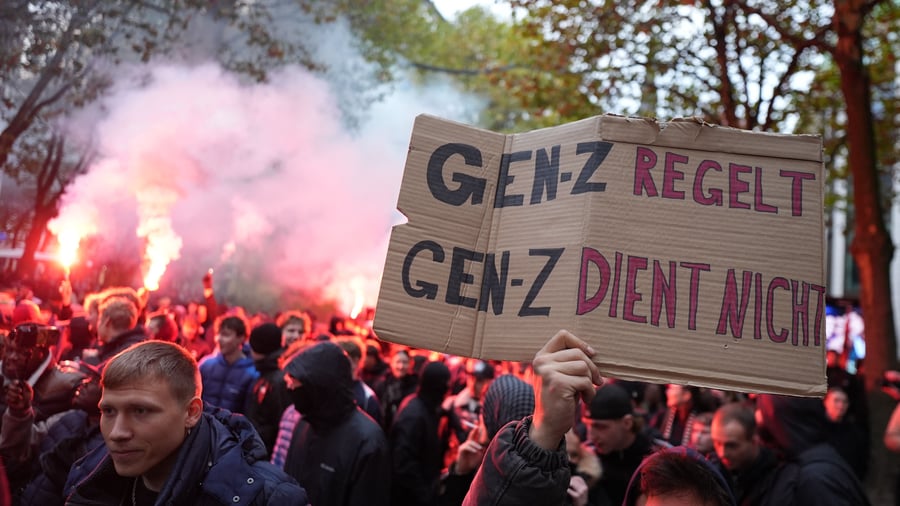
"Gen Z regelt" is the rallying cry for nationwide youth protests that kicked off in several German cities. Demonstrations began in the early afternoon in cities including Berlin, Frankfurt, Hamburg, Mainz, Munich, Nuremberg, Erfurt, Magdeburg, Dresden, and Leipzig. Hundreds of people gathered in each city to protest, with some locations experiencing delays in their start times.
The exact federal-wide numbers of participants remained unknown at the time. The protest, organized by "Gen Z regelt," called for increased funds for schools, mental health support, measures against rising living costs, social justice, and stronger climate action. It rejected military service and state surveillance. While the website listed over 182,100 people interested in participating, the official numbers of attendees in cities were significantly lower.
Some shop owners fortified their storefronts ahead of potential unrest, but some stores were closed anyway due to a public holiday. In Berlin, around 650 people gathered at the Brandenburg Gate, with the organizers initially not having an official count. Munich saw an estimated 1,000 protesters, and Nuremberg had a similar turnout.
The atmosphere was initially relaxed, according to police reports. In Frankfurt, more than 1,500 people were present near the European Central Bank, while Mainz reported 1,200. Police in Mainz confirmed the protest was peaceful. In Freiburg, authorities reported 2,500 participants. Demonstrations in Berlin, Cologne, Frankfurt, and Munich were overseen by a team representing "Gen Z regelt."
Other cities had separate organizers who explained they were not responsible for content or organization but directed people to the events listed on their website. The Bundesschueler*innenkonferenz (Federal School Conference) distanced itself from the protest, citing "opaque organizational structures." Social media was filled with posts and channels referencing the group, though not all of them claimed to speak on its behalf.
The Bundesschueler*innenkonferenz distanced itself from the protest, citing "opaque organizational structures." The protest organizers explicitly called for peaceful demonstrations and rejected all forms of violence. They warned against violence, vandalism, and provocation towards the police, as well as the prohibition of face coverings during demonstrations.
Police in Stuttgart halted the demonstration due to participants being masked, smoke bombs, and firecrackers. Several people left the planned route, and the march was asked to stay on course. Federal security agencies reported no further evidence of planned violent actions, but noted involvement from "parts of the left-wing extremist scene and occasionally groups from foreign extremism."
Police presence increased across the cities, with drones deployed in some areas like Hamburg. "Gen Z regelt" organizers criticized the focus on fear of violence, stating that it indicated people did not take their concerns seriously and were only interested in the violence aspect. The Green Party's Bundestag faction chief, Katharina Dröge, acknowledged young people's anger over the government's lack of response to their concerns, calling for greater attention to their issues.
The Left party supported the protests, with party chief Luigi Pantisano stating it was the right time for action, highlighting planned reforms in care and pensions, and discussing "social cruelties." The AfD's head, Alice Weidel, warned of potential capture by extremists, claiming the risk of demonstrations being co-opted by violent individuals from left-wing and Islamist backgrounds.
Written by urgent.news from Handelsblatt's reporting — not their text. Machine-written — may contain errors; check the original before relying on it.