GAYO partners with MMDAs and schools to promote waste segregation in Greater Accra
The Green Africa Youth Organization (GAYO) has partnered with metropolitan, municipal and district assemblies and schools across Greater Accra to promote waste segregation among students. The initiative, under GAYO’s Zero Waste portfolio, covers schools in seven municipalities, including La Dade Kotopon, Ledzokuku, Accra Metropolitan and Ablekuma West. It aims to help schools separate their waste…
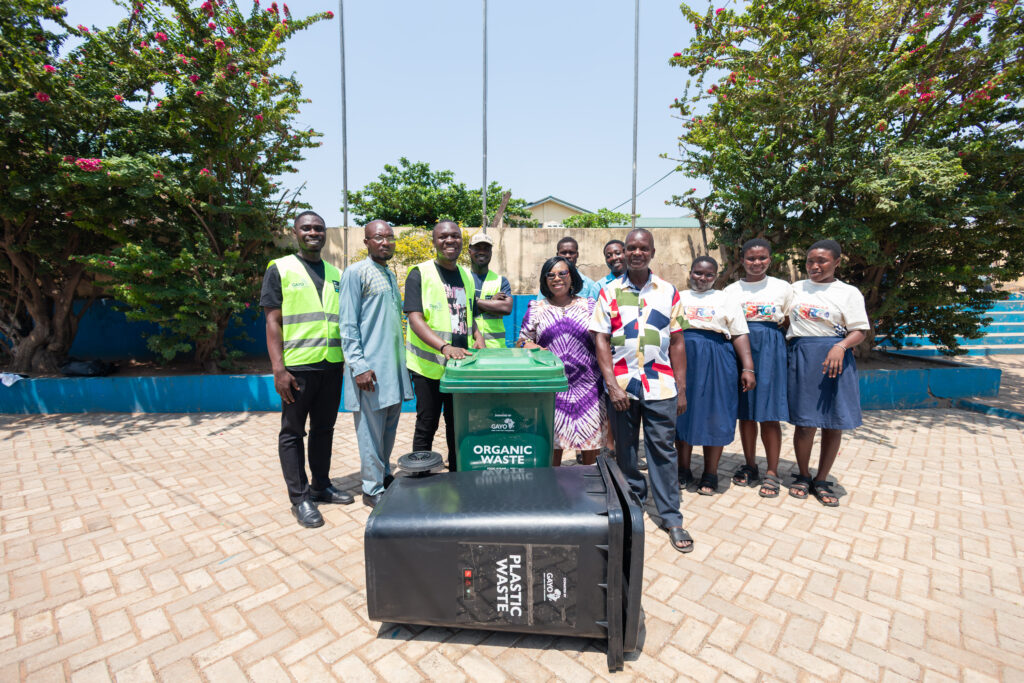
The Green Africa Youth Organization (GAYO) has formed partnerships with metropolitan, municipal and district assemblies and schools in Greater Accra to promote waste segregation among students. The initiative, part of GAYO's Zero Waste portfolio, targets seven municipalities, including La Dade Kotopon, Ledzokuku, Accra Metropolitan and Ablekuma West. The main goal is to help schools separate waste at the source, transform organic waste into compost, and recycle plastics.
Betty Agyei, GAYO's Operations and Programs Director, stated that the initiative is timely in light of a government directive that will require households to start separating waste from next year. "When is the important time to support with infrastructure, to support this kind of policy?" she asked. "It's very important to catch them young."
As part of the initiative, GAYO is providing 200 bins, 300 books, pens and educational flyers to schools across the seven municipalities, with each school receiving two bins to assist students in waste segregation. The project is expected to extend to markets and wider municipalities in the future.
Antonio Yaira Tokokubi, a Project Coordinator on GAYO's Zero Waste portfolio, revealed that about 60 percent of the financial resources allocated to assemblies go towards managing waste. A waste analysis by GAYO found that approximately 60 percent of the waste generated in schools is organic. The organization is assisting schools in separating their waste, with the organic waste being converted into compost. This compost is then used in school gardens to grow vegetables without the use of synthetic fertilizers.
GAYO is also training students to create compost themselves while plastics are sent to their material recovery facility, where they are processed into pellets. This partnership aims to tackle a problem that has troubled schools in the past. Madam Habiba Kotomah, the Education Director for La Dade Kotopon Municipality, mentioned that schools previously sorted their waste but had seen it mixed back together by collection trucks.
She welcomed GAYO's plan to collect the separated waste directly and pay schools a small token in return, noting that they will collect both organic and plastic waste.
Ms. Agyei stated that this approach builds on existing work. The La Dade Kotopon Municipal Assembly's material recovery facility diverts more than 50 tonnes of waste per month. At Forces Senior High School, Assistant Headmistress (Domestic) Rosina Lawal mentioned that the school has already placed bins within reach of students and expressed a desire for more bins. She urged GAYO to continue its efforts, stating, "They should add more, like Oliver Twist, we want more."
Reducing organic waste in landfills also helps to cut methane emissions, which are far more potent greenhouse gases than carbon dioxide. Over half of Accra's waste is organic. In October 2026, officials from the Accra Metropolitan Assembly warned that Ghana risks missing its target of reducing methane emissions from the waste sector by 30 percent by 2030.
Written by urgent.news from MyJoyOnline Ghana's reporting — not their text. Machine-written — may contain errors; check the original before relying on it.