Gates Foundation’s Goalkeepers 2026 in Dakar spotlights AI innovations transforming healthcare in Africa
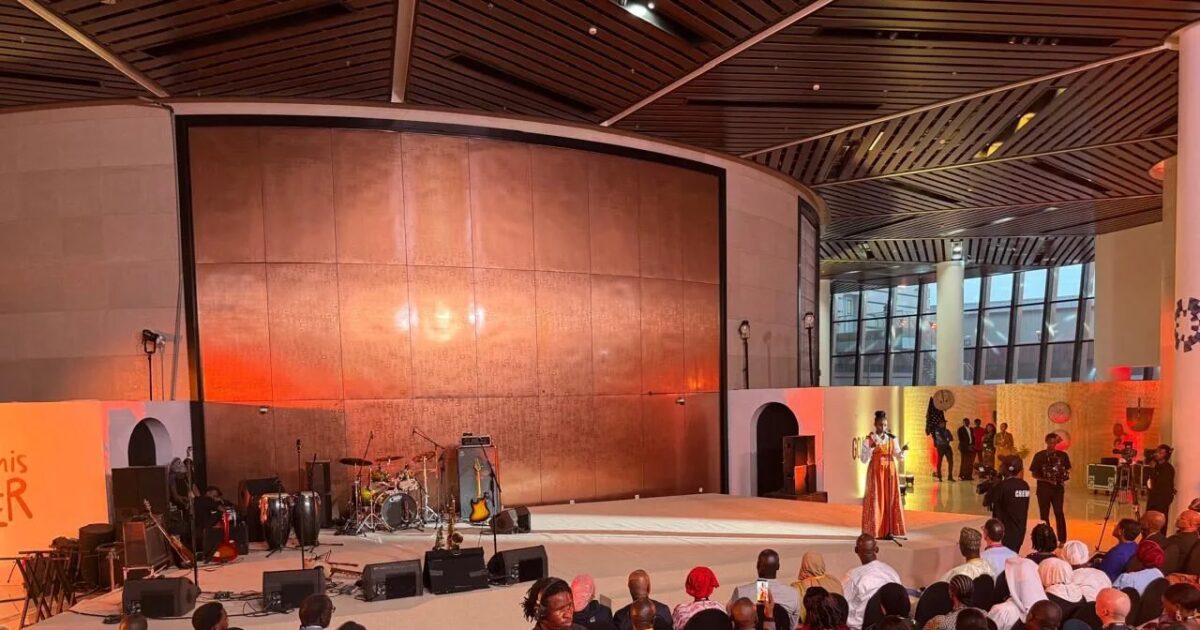
Held on October 29 at the Museum of Black Civilisations, the gathering marked the first time the foundation's Goalkeepers event was hosted in Dakar, bringing together African innovators, policymakers, development partners and other global stakeholders to examine how technology can address some of the continent's longstanding development challenges.
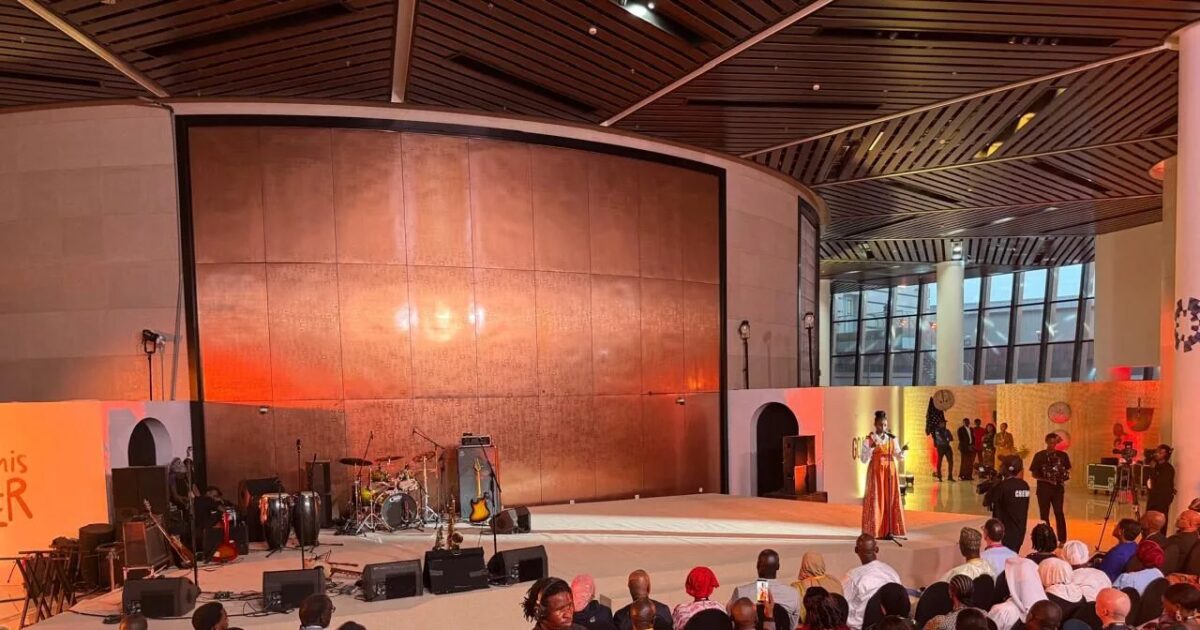
On October 31, at the Gates Foundation's Goalkeepers 2026 event in Dakar, Senegal, the potential of artificial intelligence (AI) to revolutionize healthcare, education, and agriculture on the African continent was highlighted. The event brought together African innovators, policymakers, development partners, and global stakeholders to discuss how technology can address the continent's longstanding development challenges while ensuring that AI benefits all communities, particularly those that have been historically excluded from technological advancements.
One of the most immediate applications of AI in Africa is supporting frontline healthcare workers in primary healthcare settings, where early detection and timely intervention can significantly impact patient outcomes. At Penda Health in Nairobi, Kenya, AI Consult, a technology integrated into digital patient records, assisted clinical officer Vyonne Njeri in identifying a congenital heart defect in a four-month-old infant.
AI flagged abnormalities in the child's vital signs, prompting Njeri to investigate further and refer the child for additional screening, which confirmed the underlying heart condition.
Njeri emphasized that AI serves as an additional tool to complement healthcare professionals' expertise, rather than replace them. While AI can make mistakes, it can provide invaluable support to clinicians in busy settings where they must make critical decisions while managing multiple patients and limited resources. However, Njeri stressed that clinical judgment, human interaction, and trust remain essential in healthcare delivery.
Beyond healthcare, the Goalkeepers gathering also explored how AI could help African countries tackle the language barrier in education. In Senegal, Mamadou Ly, Executive Director of Associates in Research and Education for Development (ARED), shared how children who grow up speaking indigenous languages often face difficulties when transitioning to formal schooling in French.
ARED piloted an initiative that allowed children to learn in Wolof, one of Senegal's most widely spoken languages, demonstrating the potential of mother-tongue instruction to improve children's understanding and participation in the learning process.
Ly stressed that many African languages are absent from existing AI systems, which risks excluding millions of children and communities from the benefits of technology. He called for the creation of inclusive AI systems that reflect African languages, history, and local context. The discussion on AI and education underscored the importance of ensuring that African innovators play a leading role in developing AI tools that cater to the continent's unique needs and challenges.
Written by urgent.news from Capital FM Kenya's reporting — not their text. Machine-written — may contain errors; check the original before relying on it.
This story
This is one outlet's version. Read the fullest account.