Eating disorder experts warn against online wellness trends
A recovered eating disorder specialist is seeing young, impressionable Australians fall victim to profit-driven, "dangerous" online wellness trends while scrolling daily.
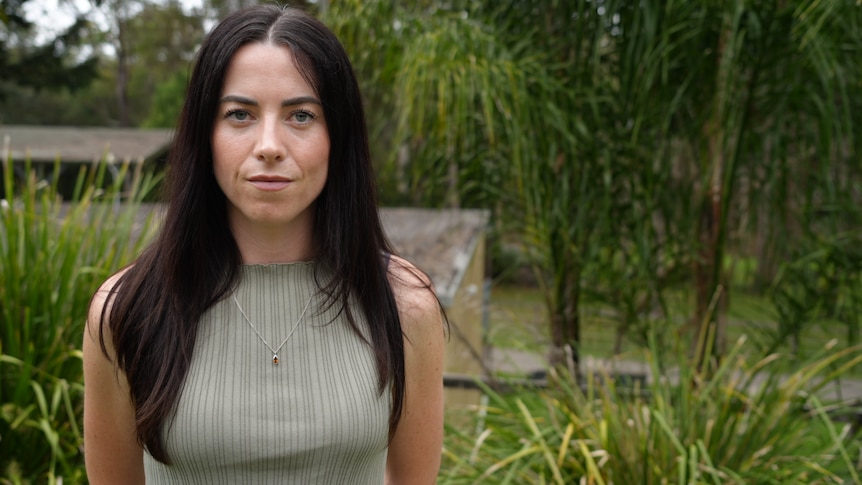
A 30-year-old woman from the Sunshine Coast has recovered from an eating disorder after being exposed to traditional media about dieting during her teenage years. Now, she warns that young Australians are negatively affected by the surge of online wellness trends. The global wellness economy is projected to reach $9 trillion by 2028.
Kathleen McBride, now 30, struggled with body image issues and developed an eating disorder after being inundated with messages about weight loss and diet products. She is now working at an eating disorder recovery village and is alarmed by the perpetuation of these body-obsessed narratives for another generation. These trends are now marketed as "wellness" and delivered through smartphone algorithms.
McBride has observed young, impressionable people bombarded with advice on dangerous diets, ranging from the carnivore diet to gluten-free, dairy-free, and sugar-free diets. The Butterfly Foundation, a leading Australian eating disorder charity, warned about the influence of the growing global wellness economy in September. Butterfly CEO Jim Hungerford stressed that wellness should not make anyone feel worse about themselves, and narrow appearance ideals are not health goals.
He called on everyone to consider whose interests are served by the messages sold about health and bodies.
Jade Gooding, CEO of the Australia New Zealand Academy for Eating Disorders, echoed Hungerford's concerns. She noted that conflicting messages about health in society are often pushed by industries and systems of power that profit from insecurities. The Butterfly Foundation's data shows that eating disorders impact over 1.1 million people in Australia, and their number has increased by more than 21% since 2012.
A study published in September predicts that anorexia and bulimia rates will continue to rise through 2050. An international, peer-reviewed study found that anorexia and bulimia affect an estimated 18.1 million people worldwide in 2023, a 71% increase since 1990. Research confirms that dieting is the single biggest behavioral risk factor for eating disorders.
Experts warn that social media, particularly short videos like TikToks, is a significant factor in the problem. Young Australians are susceptible to harmful content creators and brand deals disguised as wellness. It is alarming that diet and wellness companies make millions while evidence suggests that dieting is a significant risk factor for eating disorders.
Angela Hinz, a lecturer and researcher at the University of the Sunshine Coast, highlighted the well-established impact of social media on young people's body image and eating habits. Short videos can create parasocial relationships, making young people overly health-conscious. Dr. Hinz emphasized that the combination of this trend and misinformation on social media leads to a perpetual pursuit of perfection, leaving no room for satisfaction.
Sunshine Coast allied health worker Mathieu Cadart expressed concern over the severe physical and mental health damage caused by eating disorders in young Australians. While Cadart acknowledged the need for better content regulation by social media companies, he emphasized that content creators should also take responsibility. They should ask themselves if their actions put other people at risk and whether they need to rethink their approach to minimize potential danger.
Written by urgent.news from ABC News AU's reporting — not their text. Machine-written — may contain errors; check the original before relying on it.