Does a forest matter more than a foreigner? That’s where cultures disagree most.
Across 41 cultural groups, students agreed on most of the moral hierarchy — family at the top, murderers at the bottom. But only 21 of those groups placed foreign citizens and political opponents above coral reefs and old-growth forests.
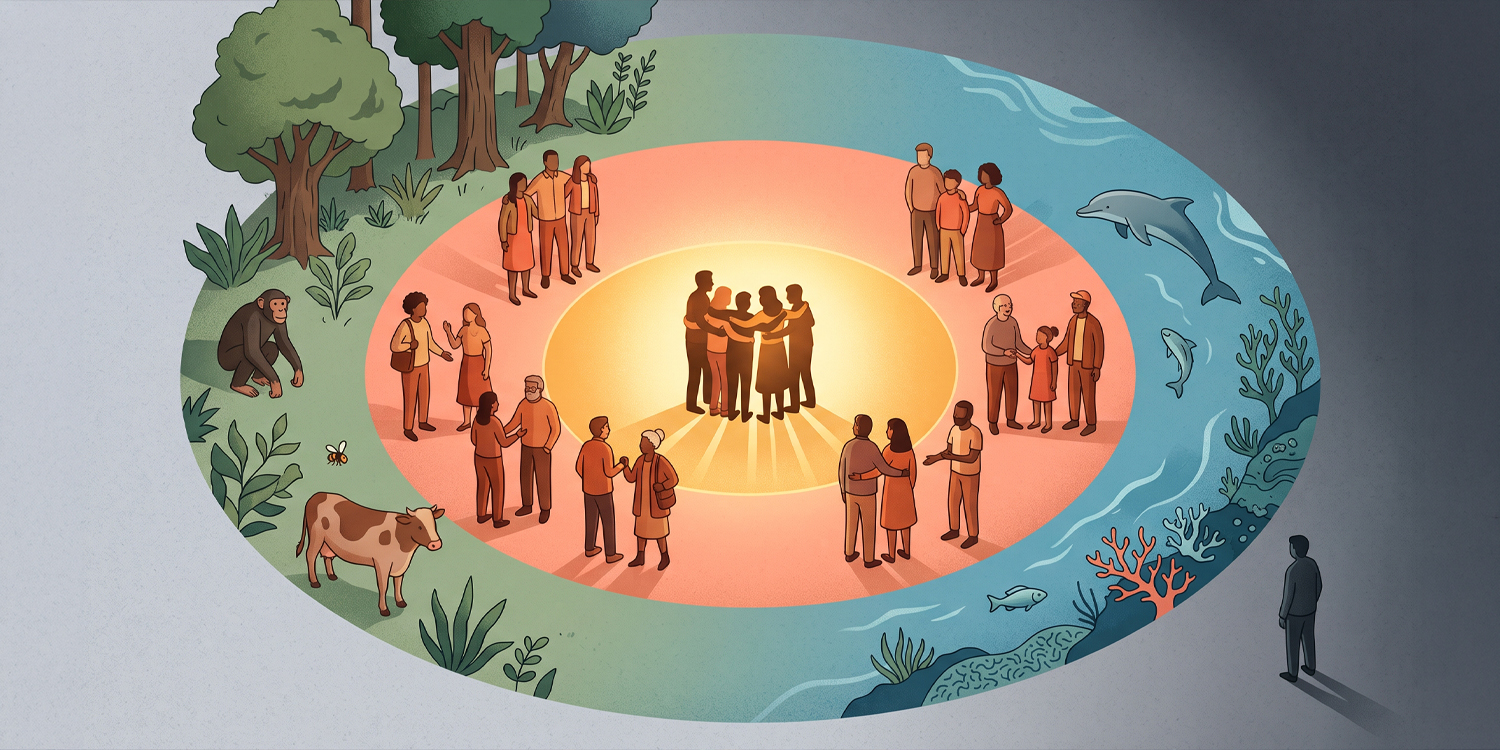
A new study published in the European Journal of Social Psychology investigates how cultures around the world differ in their moral obligations towards others. Across 41 cultural groups, the study found that family and friends consistently topped the moral hierarchy, followed by community members and revered figures like charity workers and marginalized people.
Foreign citizens, political opponents, animals, ecosystems, and violent criminals were placed at the bottom of the hierarchy. While general moral preferences were similar across many societies, there were notable differences in how cultures viewed the moral standing of distant humans compared to the natural environment. Factors like perceived economic inequality and low social trust were linked to smaller moral circles, suggesting that broader social environments shape moral boundaries.
The findings challenge the notion that the specific hierarchy of moral concern is a widespread feature of human psychology, indicating that it may be more of a Western-centric concept.
Written by urgent.news from PsyPost's reporting — not their text. Machine-written — may contain errors; check the original before relying on it.
