Do Vampire Bats Really Threaten Humans in Colombia?
As Halloween brings vampires out of folklore and into the spotlight, Colombia’s real blood-feeding bats have a story that spans cattle ranches and medical laboratories. A 2026 study identified 88 municipalities where cattle face a high modeled risk of rabies transmission from vampire bats. The animals have also inspired research into substances that could help […]
Do Vampire Bats Really Threaten Humans in Colombia?
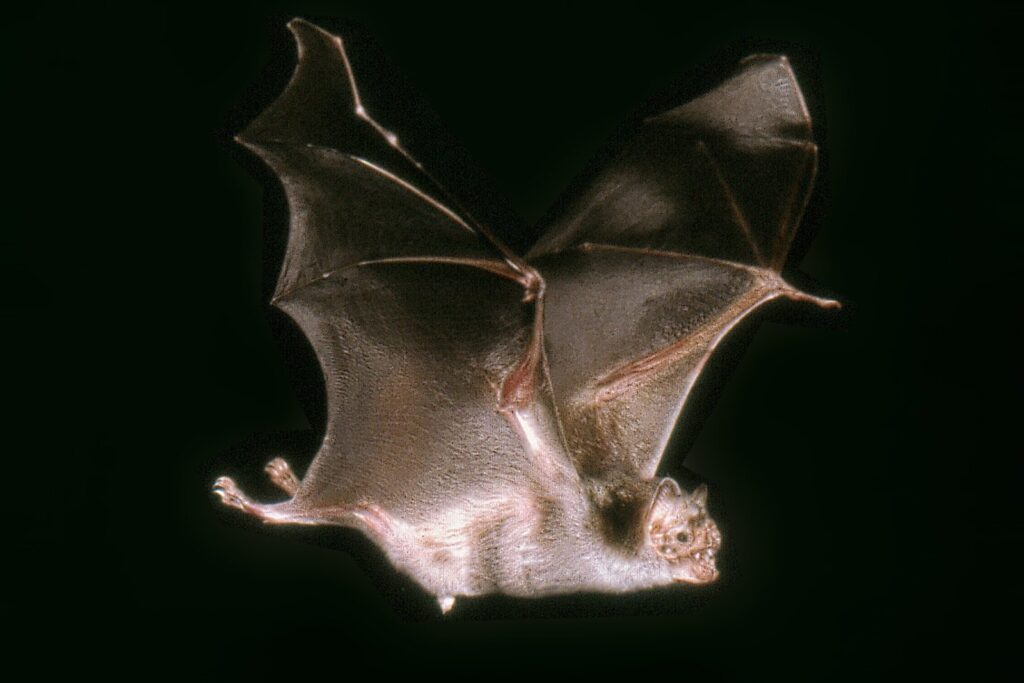
The common vampire bat, primarily found in Colombia, primarily feeds on the blood of livestock. A 2026 study identified 88 municipalities in the country where cattle face a high risk of rabies transmission from these bats, potentially posing a risk to farmers and leading to substantial costs for the agricultural sector.
Despite their fearsome name, vampire bats are relatively small, weighing around 30-40 grams and having a wingspan of approximately 35-40 centimeters. They are not the only bat species in Colombia that feed on blood, as the white-winged and hairy-legged vampire bats also have similar diets, feeding mainly on birds.
These bats are known to inhabit a variety of tropical environments across Colombia, from humid areas to semi-arid regions. They dwell in caves, tree hollows, and abandoned buildings. Interestingly, unlike their nocturnal nature often associated with bats, vampire bats can also walk, run, and hop.
Vampire bats feed on blood by cutting into an animal's skin and lapping up the blood with their mouths. Their saliva contains anticoagulant substances that prevent blood clotting, a unique adaptation that allows them to feed on their hosts. This, combined with their ability to transmit rabies, makes them a concern for livestock owners.
While the risk to humans is generally low, as vampire bats are not the usual food source for people, a bite from an infected bat could potentially transmit rabies, which is almost always fatal if clinical symptoms develop. Therefore, individuals who might have been bitten should clean the wound thoroughly with soap and water and seek immediate medical attention.
Written by urgent.news from Colombia One's reporting — not their text. Machine-written — may contain errors; check the original before relying on it.