Chinese archaeologists set for hi-tech excavations with AI and deep-sea robots
Chinese archaeologists are set for a hi-tech turn, with the latest five-year blueprint aiming to deploy AI and deep-sea robots to trace Chinese history, decipher the origins of East Asian humans and expand the country’s cultural soft power. Scientists will develop technologies such as remote sensing, ancient DNA analysis, underwater archaeology robots and artificial intelligence (AI) models for…
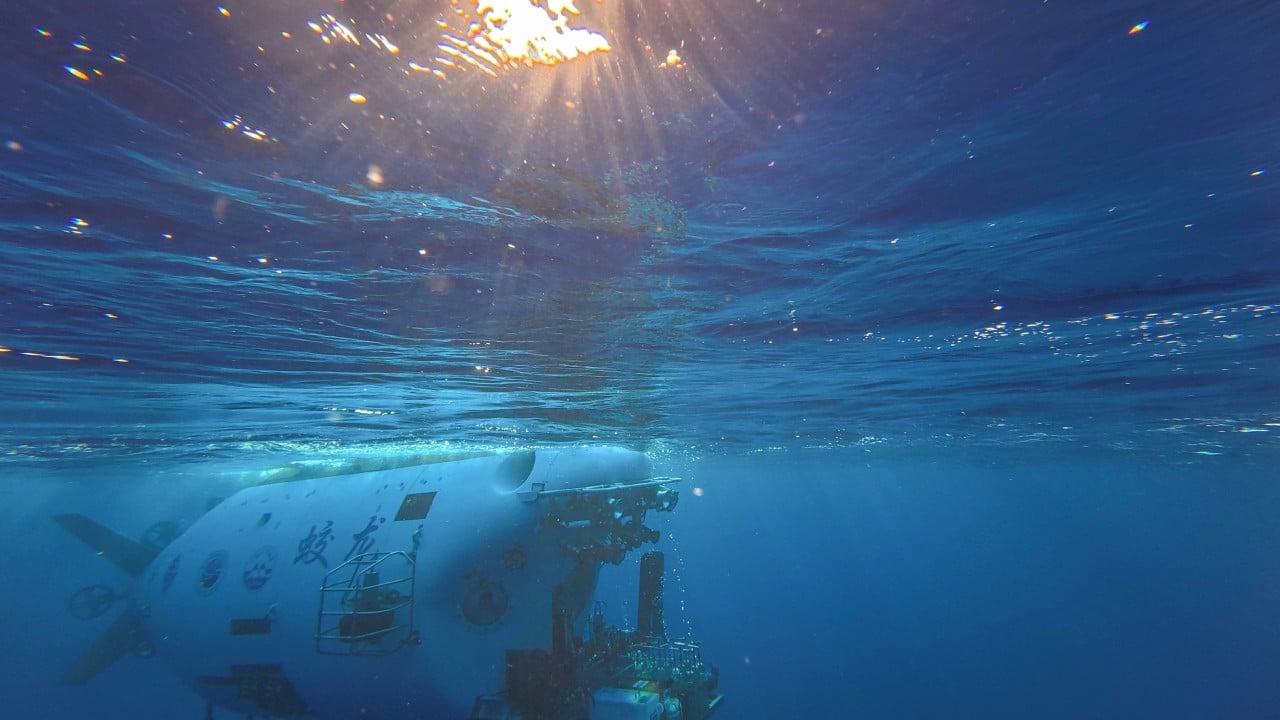
Chinese archaeologists are preparing to embark on a hi-tech excavation mission, utilizing AI technology and deep-sea robots to explore China's rich historical legacy. The 15th five-year work plan for archaeology, released by the National Cultural Heritage Administration in October, outlines ambitious goals for the sector until 2030.
Scientists will harness remote sensing, ancient DNA analysis, underwater archaeology robots, and artificial intelligence (AI) models to virtually restore excavated artifacts. Additionally, the plan aims to expand international collaborations, conducting fieldwork in Asia, Austronesian-speaking regions, the Himalayas, and along the Silk Road and Maritime Silk Road.
Joint research with institutions in Egypt, Greece, Saudi Arabia, and Tunisia will focus on ancient civilisations in the Mediterranean and Middle East, while underwater survey equipment and deep-sea exploration techniques will be shared with partners in these regions. Chinese archaeologists plan to delve into various historical periods, including the Paleolithic-Neolithic transition, the emergence of early statehood, and the development of imperial capitals.
Key archaeological sites, such as Sanxingdui, Erlitou, and Yinxu, will be revisited, while the plan also aims to investigate human origins and evolution in East Asia, as well as population migrations. The initiative seeks to contribute to enhancing China's cultural influence and building its discourse and narrative systems through big data-driven research and the establishment of a national-level archaeological laboratory, alongside the National Museum of Maritime Archaeology in Qingdao and the National Base of Underwater Archaeology in the South China Sea.
Written by urgent.news from South China Morning Post's reporting — not their text. Machine-written — may contain errors; check the original before relying on it.
This story
This is one outlet's version. Read the fullest account.