China joins global race to reawaken brain-injury patients through ultrasound therapy
After spending three months in a coma following a brain haemorrhage, a patient in China has regained the ability to speak, eat and walk with support – part of an early clinical trial using targeted sound waves to help “wake up” severely damaged brains, according to state media. The technology, developed by a coalition including the Chinese Academy of Sciences’ Shenzhen Institutes of Advanced…
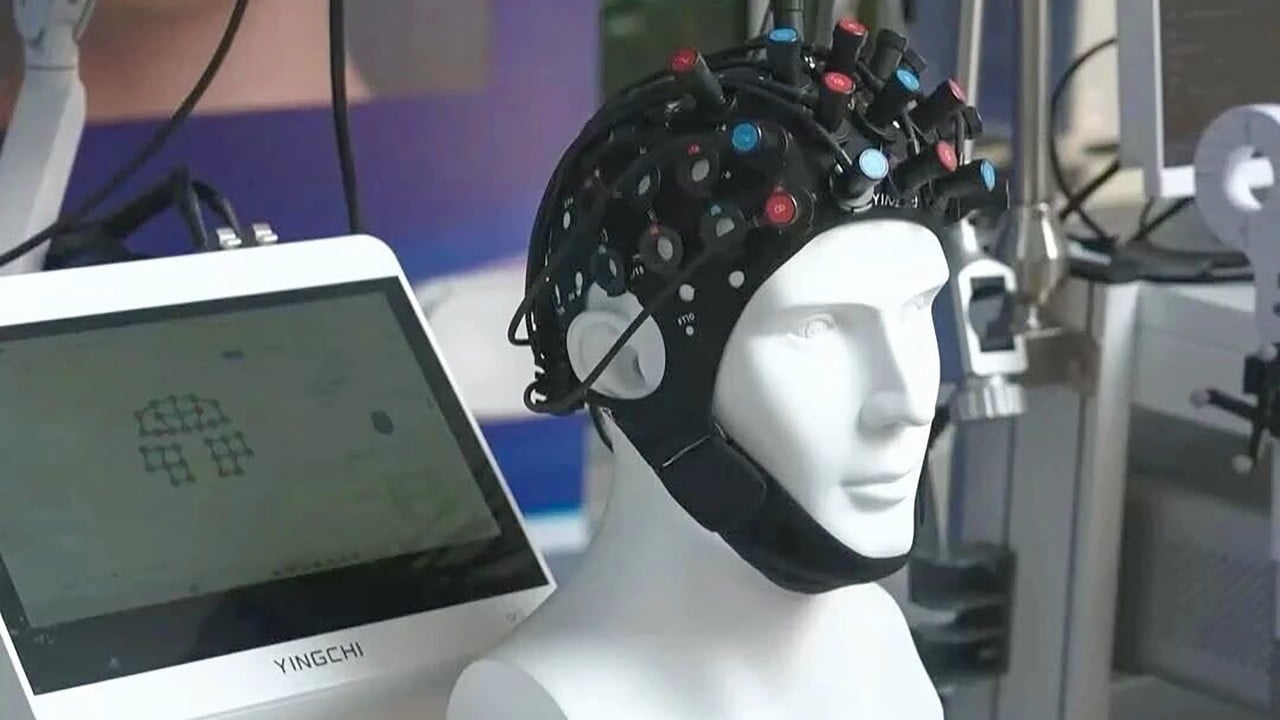
A brain-injured patient in China has shown remarkable recovery following a three-month coma, thanks to a cutting-edge therapy involving ultrasound waves, according to state media. The pioneering treatment, developed by a team comprising the Chinese Academy of Sciences' Shenzhen Institutes of Advanced Technology, employs non-invasive ultrasound to stimulate specific brain regions, enabling severely damaged brains to "wake up" and regain vital functions such as speech, eating, and mobility.
The therapy was presented at a recent brain-computer interface (BCI) conference in Shenzhen and is part of an early clinical trial, with initial results indicating promising outcomes. A study conducted in collaboration with Kunming Medical University found that 13 out of 24 patients with chronic disorders of consciousness showed improvements in conscious behavior after receiving three 20-minute ultrasound therapy sessions per week over four weeks.
One particularly notable case involved a patient who had been in a coma for three months following a brain haemorrhage, who was able to converse, feed himself, and walk with assistance after just 30 days of therapy and rehabilitation. However, the televised findings did not include a control group, which could impact the validity of the conclusions.
The research also builds upon a previous peer-reviewed case study published in Frontiers in Psychiatry, which documented a single patient's progressive and clinically significant behavioral recovery, ultimately emerging from a minimally conscious state. Focused ultrasound technology has garnered attention for its potential to reach deep brain structures without the risks associated with surgical procedures or implanted electrodes.
The goal of restoring consciousness through ultrasound is gaining traction globally, with a similar multicentre clinical trial in the United States led by the University of California, Los Angeles, currently recruiting 60 patients with severe brain injuries, including a sham-stimulation control group to further validate the effectiveness of the intervention.
Commercial interest in ultrasound-based brain interfaces is also on the rise, with Merge Labs, co-founded by OpenAI's Sam Altman and Caltech bioengineer Mikhail Shapiro, recently partnering with medical device firm Butterfly Network to develop the technology.
Written by urgent.news from South China Morning Post's reporting — not their text. Machine-written — may contain errors; check the original before relying on it.
This story
This is one outlet's version. Read the fullest account.