Bukele Sends 2,000 Troops to Haiti in an Unprecedented Rescue Mission
Salvadoran President Nayib Bukele has sent more than 2,000 troops to Haiti to find four kidnapped soldiers. That is a larger force than the U.N.-backed mission already on the ground, and it raises a question that goes well beyond a rescue: can the Bukele model of security be exported? The deployment, reported this week, is […]
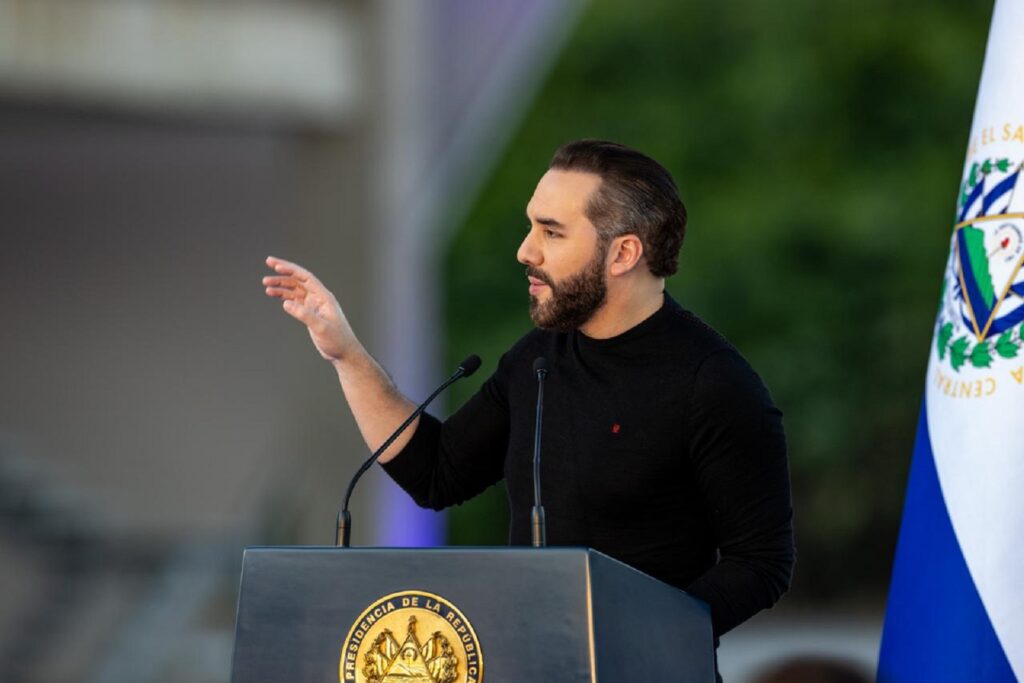
El Salvador's President Nayib Bukele has dispatched over 2,000 troops to Haiti in search of four kidnapped soldiers. This move, one of the largest bilateral military operations in recent history, has raised questions about the potential for exporting Bukele's security model to other nations. The incident began on October 18 when four Salvadoran aviation technicians assigned to the Gang Suppression Force were ambushed while returning to base.
Their current whereabouts remain unknown. Bukele responded with a stern warning to local gangs, vowing to pursue the kidnappers regardless of the consequences. He assured that the mission is not an invasion and that El Salvador will cover up to 90% of the costs. The U.S. administration has expressed support for the effort, and at least one flight with Salvadoran troops was confirmed by a Southern Command spokesman.
The scale of the deployment is unprecedented, with the U.N. confirming that the Salvadoran troops will not join the existing mission and being unsure about the duration and command of the foreign force. The deployment comes amid a context of violence in Haiti, where over 5,000 killings have been recorded this year and gangs control over 80% of Port-au-Prince.
While Bukele's actions may boost his image as a leader who acted decisively, the risks and complexities of the operation are significant, with the potential for casualties and coordination challenges.
Written by urgent.news from Colombia One's reporting — not their text. Machine-written — may contain errors; check the original before relying on it.