Beyond the Cow: How the water buffalo can power Kenya’s bottom-up dairy revolution
In January 2025, a short notice in the Kenya Gazette opened a new chapter in Kenyan livestock. Gazette Notice No. 977, dated 31 January, declared the domesticated water buffalo (Bubalus bubalis) a food animal under the Meat Control Act. It was a small legal step with a large economic promise. President William Ruto has since […] The post Beyond the Cow: How the water buffalo can power Kenya’s…
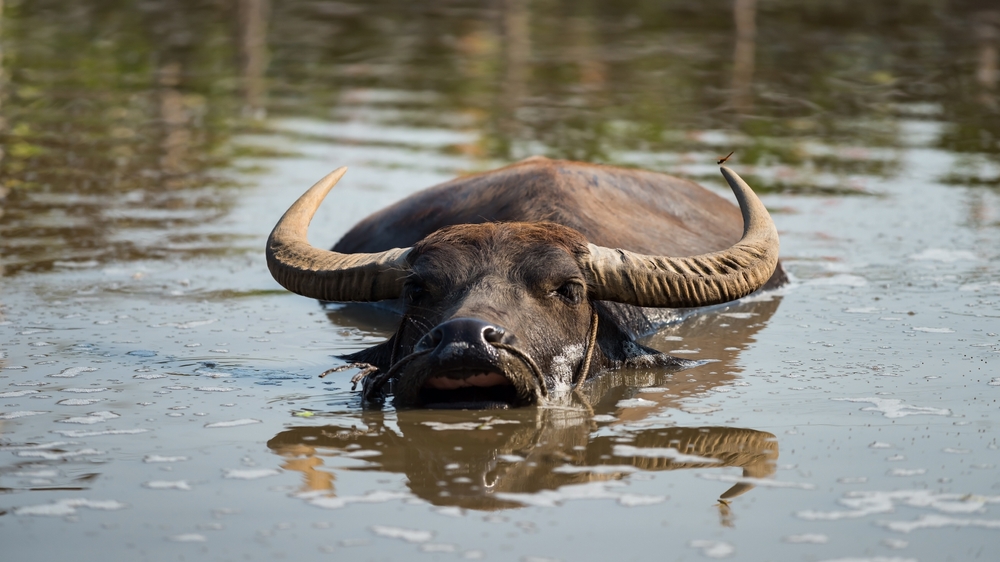
In January 2025, Kenya Gazette Notice No. 977 introduced the domesticated water buffalo (Bubalus bubalis) as a food animal under the Meat Control Act. President William Ruto endorsed the idea, citing India’s dairy industry as a model, and asked the Livestock PS to source improved buffaloes and camels to boost milk production. This move was inspired by India’s successful milk revolution, which relies heavily on buffalo breeds such as Murrah and Nili-Ravi.
These breeds produce milk with about twice the fat of cow’s milk, ideal for butter, ghee, cheese, sausages, burgers, and premium buffalo mozzarella. Buffalo meat, called carabeef, is also a significant export earner for India. Hides and manure generate additional revenue, creating jobs in collection, cooling, processing, packaging, transport, and retail.
Kenya currently produces around 5.4 billion litres of milk annually, with growing demand for premium dairy. Buffalo will complement the dairy cow, offering processors a richer raw material and expanding consumer choice. The water buffalo value chain aligns with Kenya’s Bottom-Up Economic Transformation Agenda (BETA) by providing diversified livestock enterprises, job creation for MSMEs, and digital solutions like traceability, mobile payments, and animal-health records.
However, experts warn of zoonotic disease risks like anthrax, bovine tuberculosis, and foot-and-mouth disease. The government must establish import costs, expected yields, and viable markets for processors and farmers. A disciplined path includes biosecure sourcing, pilot hubs, cooperative aggregation, local processing, inclusive finance, wildlife safeguards, and consumer education through tasting events, clear labeling, and food-safety assurance.
Kenya has experience mobilizing smallholders around milk production, and the water buffalo offers a bolder opportunity to discover new margins. If implemented well, the buffalo could become one of BETA’s most distinctive, bottom-up success stories.
Written by urgent.news from KBC's reporting — not their text. Machine-written — may contain errors; check the original before relying on it.