Amid price rise, Indian govt doubles weekly wheat auction quantity
cap stays. Weekly auction allocation raised to 1.99 lakh tonnes; experts doubt impact as maximum purchase limit per bidder remains unchanged
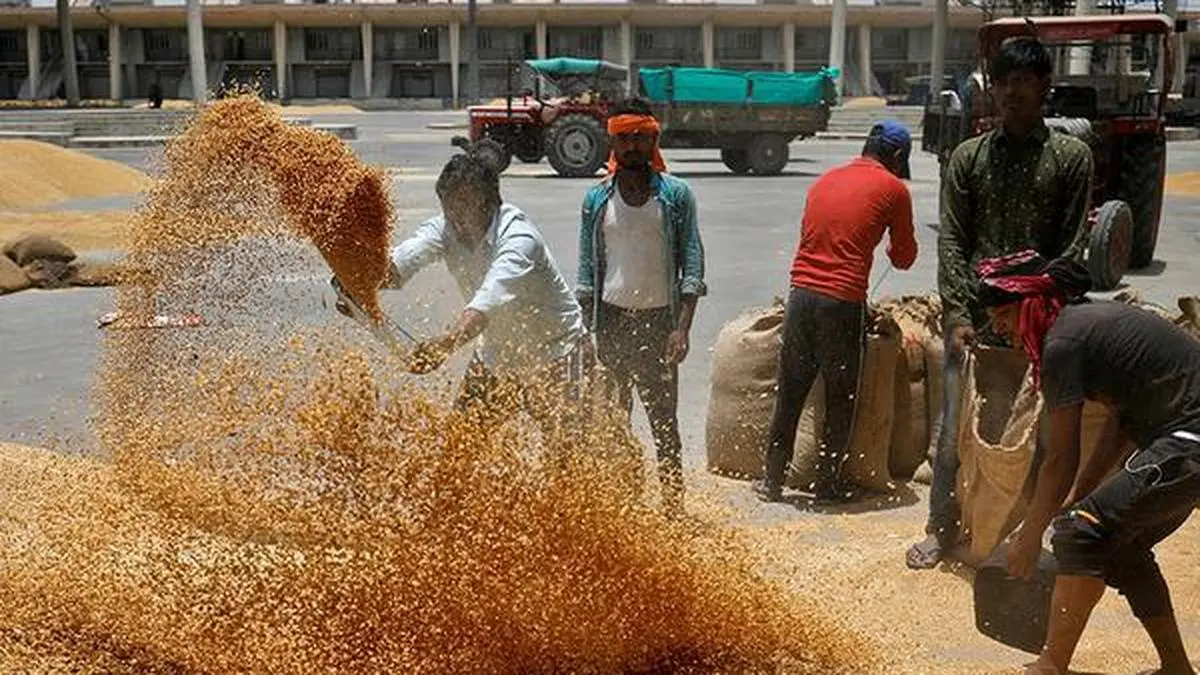
The Indian government has doubled the quantity of wheat offered in the weekly auction conducted by the Food Corporation of India (FCI) for November 4, as prices have been rising due to dwindling stocks. However, experts are skeptical that this move will help bring down prices, as the maximum amount a single bidder can purchase in a week remains the same.
On October 30-31, FCI floated 22 state-wise tenders totaling 1.99 lakh tonnes (lt) of wheat for November 4, compared to 1.01 lt offered just a week earlier on October 28. Despite restrictions on trader participation, FCI sold 99,316 tonnes, or 98.3% of the quantity offered in the previous round, with states like Punjab, Haryana, Uttar Pradesh, and Madhya Pradesh reporting 100% off-take.
The allocation for Punjab has been increased to 44,000 tonnes from 25,000 tonnes, while Haryana, Uttar Pradesh, and Madhya Pradesh saw increases to 23,000, 14,000, and 10,000 tonnes, respectively. Similar allocations were raised for Assam, Delhi, and Karnataka to 12,000 tonnes each, while Gujarat and Rajasthan received 8,000 tonnes each, up from 4,500 and 4,000, respectively.
Tamil Nadu and Puducherry were allocated 10,200 tonnes, up from 4,000 tonnes, in the previous auction. Prior to this increase, Ashish Garg, President of the MSME Welfare Association in Delhi, had written to Food Minister Pralhad Joshi requesting a review of reserve prices, lot sizes, quantity restrictions, and other sale conditions to ensure genuine millers, processors, and eligible buyers could access wheat at competitive prices.
Garg also called for stronger bidder verification and penalties for fraudulent bidders, highlighting that FCI had sold wheat under the Open Market Sale Scheme (OMSS) at prices 20-30% above market rates due to differences in sale conditions.
Written by urgent.news from Hindu BusinessLine's reporting — not their text. Machine-written — may contain errors; check the original before relying on it.