Africa suffering in ‘strongmen’ era, says governance watchdog
Democracy and rights are declining in Africa as leaders take their cues from the rise of strongmen in other parts of the world, the head of a governance monitor told AFP. Mo Ibrahim, 80, is a Sudanese-British billionaire who made a fortune in telecoms and ploughed it into monitoring and encouraging better governance across Africa. The Mo Ibrahim Foundation’s latest report, finds broad progress on…
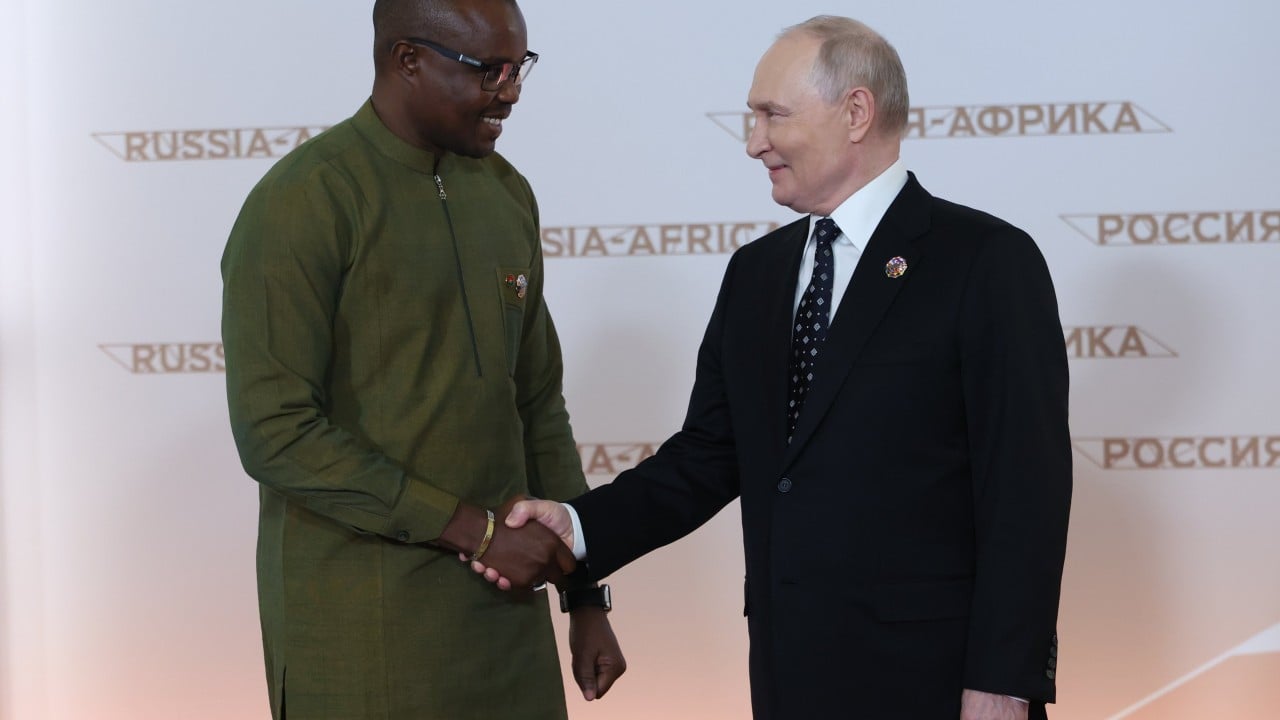
Mo Ibrahim, a Sudanese-British billionaire and head of the Mo Ibrahim Foundation, has criticized Africa for entering a period dominated by strongmen leaders. In a recent report, the foundation found that while there has been progress in economic opportunities and human development over the past decade, security, human rights, and public participation have significantly declined. This decline is attributed to the rise of strongmen leaders seen globally, including in the United States, Europe, and Russia.
The report highlights the deterioration of governance in several African countries. For instance, Tanzania experienced security forces killing thousands of protesters, and Uganda saw opposition leader Bobi Wine being hunted down and physically attacked. Ibrahim expressed deep disappointment, stating, "It's just disgraceful."
Ibrahim blames the decline of liberal democracy worldwide for the rise of strongmen leaders in Africa. He suggests that African leaders see the success of other strongmen and believe they can get away with similar actions. He pointed to the United States' shift to a more "transactional" approach to diplomacy, arguing that it is weakening the international order and the rule of law.
The report also shows that seven of the ten countries with the biggest declines in governance experienced at least one coup over the past decade. Burkina Faso, Nigeria, Sudan, and Tunisia were among the worst performers. The continent faces additional challenges in the coming years, particularly due to the US ending USAID support, described by Ibrahim as "brutal."
Despite these challenges, Ibrahim remains optimistic about Africa's future. The continent's large youth population, with 60% of Africans under 25 and one in three young people worldwide being African by 2050, gives him hope. He believes these young people are more informed and educated than the previous generation. However, he emphasizes that Africa must rely more on itself and work with all partners willing to support it, including Europe, China, India, and others.
Written by urgent.news from South China Morning Post's reporting — not their text. Machine-written — may contain errors; check the original before relying on it.