“Adotta un bene archeologico”: da Napoli l’appello a Comuni e cittadini
In un territorio ricco di archeologia, di grandi e piccole testimonianze, spesso queste ultime dimenticate, la gestione e la valorizzazione di tutto sono missioni quasi impossibili. Spesso prevale una esigenza...
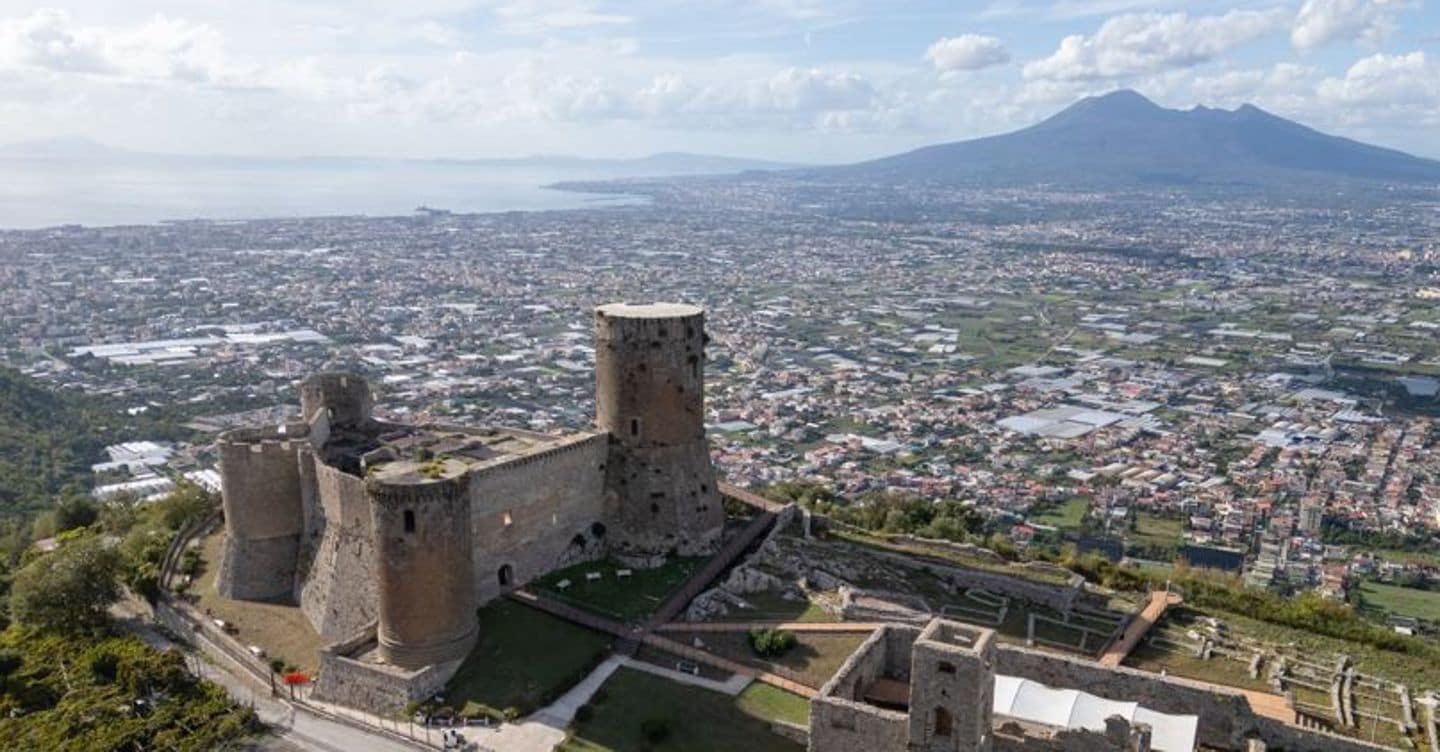
In an area rich in archaeology, where both large and small testimonies often go unnoticed, the management and valorization of all these sites is a nearly impossible task. A strong emphasis is placed on simple preservation, especially when it comes to small items that are difficult to monetize. To improve these activities, the Metropolitan City of Naples, led by Mayor Gaetano Manfredi, has devised a project titled "Adotta un bene archeologico."
This initiative aims to enhance the promotion of all the area's archaeological heritage, which boasts the highest density in Italy.
The project was introduced at the BMTA, the Mediterranean Tourism Archeological Fair, currently held in Paestum, the city of temples. The Metropolitan City of Naples comprises 92 municipalities, each of which owns at least one piece of the region's past, including Roman villas, necropolises, hypogea, aqueduct remnants, and ancient settlements.
These sites, when combined, make up the most densely populated archaeological area in Italy by number and extent of sites relative to the territory's size. These valuable assets often remain on the sidelines of tourist circuits and local awareness.
The first screening involves asking municipalities, citizens, businesses, and the general public to signal which archaeological assets should be promoted, thus revealing even unknown realities. As of now, about 200 archaeological sites out of the 92 municipalities have been flagged for intervention in less than four months. More proposals will be submitted by February, when the deadline for the call closes.
The project has a promising start, with Vincenzo Cirillo, a councilor of the Metropolitan City of Naples tasked with promoting the territory, noting that they have received not only signals but also well-articulated proposals that include public-private entities ready to act. Examples include the "Somma Vesuviana, the other side of Vesuvio - From the Augustea Villa to the Monte Somma: Archaeology, Monumental Heritage, Landscape, and Community," which proposes turning the Augustea Villa into an access point for an itinerary linking the Santa Maria del Pozzo Monumental Complex, Borgo Casamale, the Collegiata, Castello d’Alagno, Monte Somma, and Santa Maria a Castello.
Another example is the "Pithecusae: from archaeological discovery to tourist product," promoting the Museo Archeologico of Pithecusae (Villa Arbusto), the Santa Restituta complex, and the Mazzola metallurgical district, creating an itinerary that integrates enotourism with local wineries (Tommasone Cantine, affinazione in anfora and underwater sparkling wine), thermal heritage, and a dispersed theater path (conceived by Mariangela Catuogno and directed by Edoardo Cocciardo) recounting the lives of historical figures like Giorgio Buchner and Angelo Rizzoli.
Written by urgent.news from Il Sole 24 Ore's reporting — not their text. Machine-written — may contain errors; check the original before relying on it.