A century after Houdini died, his legend still refuses to disappear
The master escape artist died in 1926 but his stunts, showmanship and encounters with spiritualists have kept him firmly in public imagination.
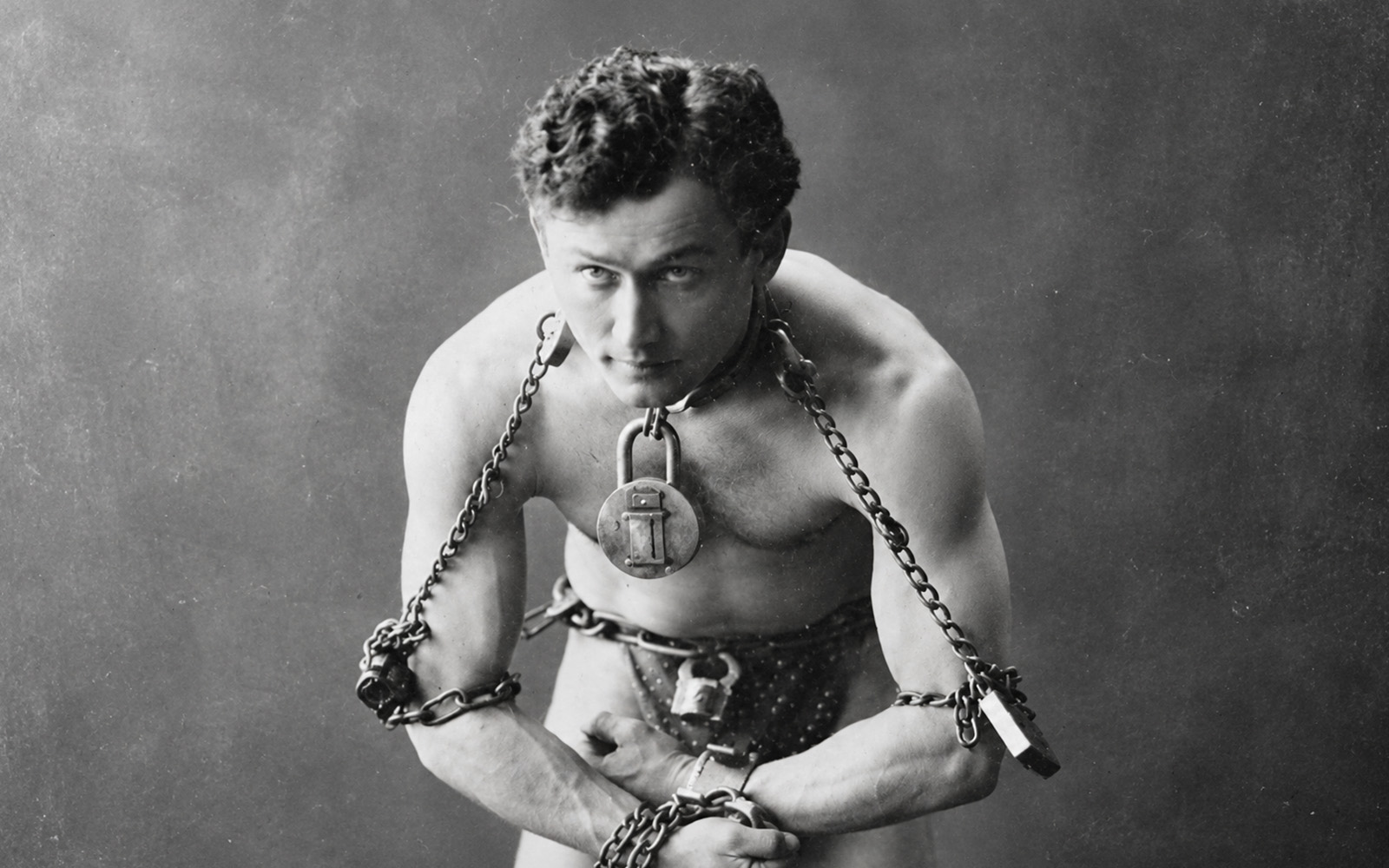
A century after his death in 1926, Harry Houdini's legend persists, refusing to disappear. Renowned for his daring feats of escaping handcuffs, chains and locked boxes, Houdini's legacy extends beyond his physical acrobatics. Born Erik Weisz in Budapest and later moving to the United States, Houdini reinvented himself as one of the most famous entertainers of the 20th century.
His performances ranged from dime museums to vaudeville, and eventually achieved international fame. Houdini was not only a master of escapology, but also a savvy self-promoter, meticulously documenting his career. As the 1920s approached, Houdini took on a new role as a professional skeptic, exposing mediums who claimed to communicate with the dead.
This led to a strained relationship with Arthur Conan Doyle, who believed in psychic phenomena. Houdini's most famous escapes often involved water, where the threat of drowning added an element of danger. His death, shrouded in mystery, occurred in Detroit after a stage performance. Reports suggest he was attacked, became ill, and died from peritonitis caused by a ruptured appendix.
Yet, Houdini left behind a lasting legacy, with his name becoming synonymous with escape. The Detroit Historical Society credits his enduring appeal to his combination of physical daring, theatricality, skepticism and an ability to captivate audiences. A century later, Houdini's story remains a haunting tale of danger, illusion, and the eternal mystery of life after death.
Written by urgent.news from Free Malaysia Today's reporting — not their text. Machine-written — may contain errors; check the original before relying on it.
This story
This is one outlet's version. Read the fullest account.
- A century after Houdini died, his legend still refuses to disappear freemalaysiatoday.com