Your Phone Knows You’re at the Doctor, and Data Brokers Do, Too — Then Profit From It
The Federal Trade Commission told a data company it could no longer sell data it collected from hundreds of millions of Americans’ mobile devices when people visited hospitals, dialysis clinics, or abortion clinics. But little is stopping other companies from doing so. In the absence of federal protections, some states are passing their own rules.
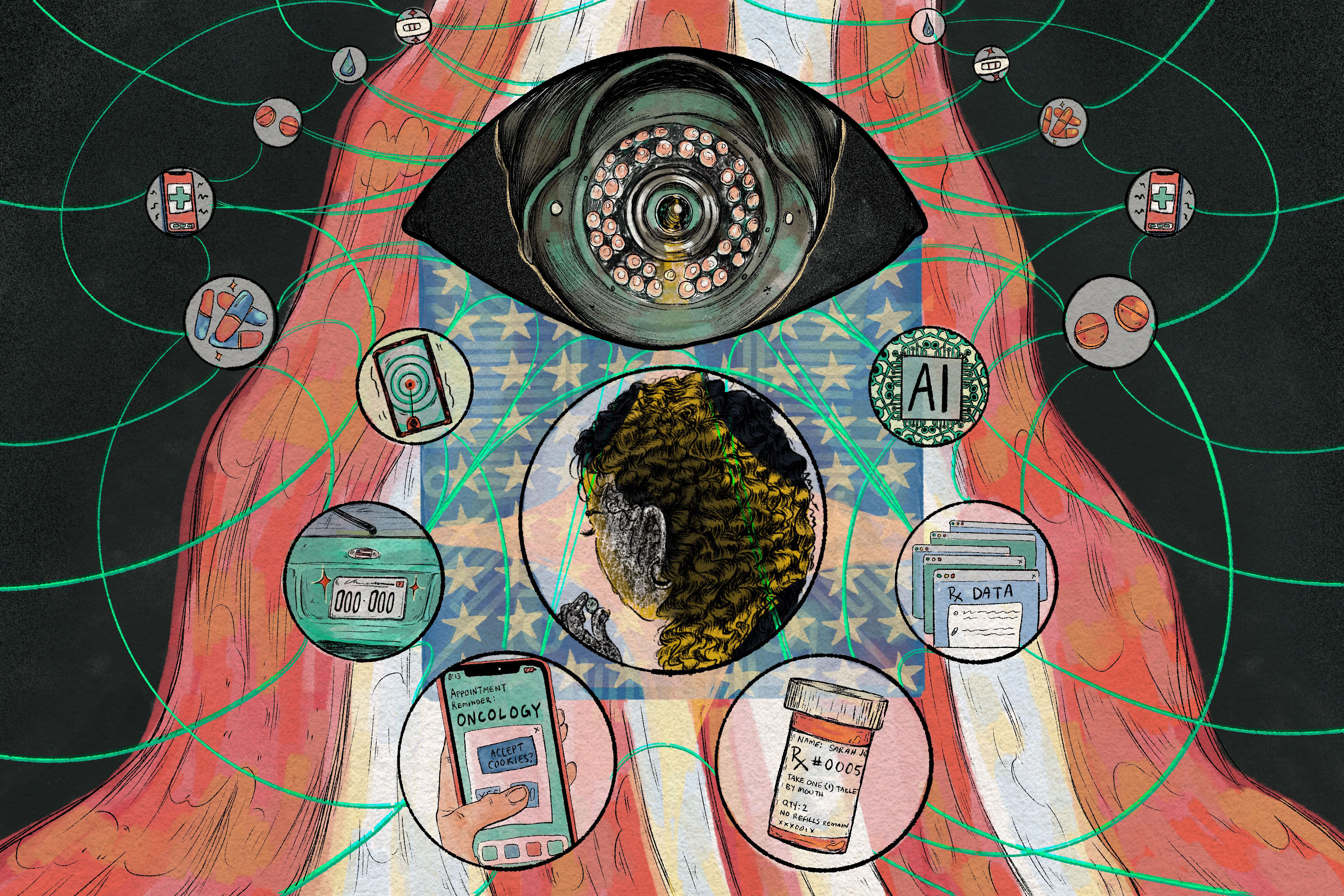
Chris McQueen, a former leukemia patient, continues to receive ads for fake cures and "natural" treatments during his regular oncologist visits. Data brokers have been tracking McQueen's whereabouts through his smartphone's location data and selling this information to companies promoting unproven treatments. A recent survey found that 92% of patients believe their health data should not be available for purchase.
However, many may not realize that location data emitted from their mobile phones while visiting hospitals or other sensitive locations is not protected by HIPAA. Eric Ellsworth, director of health policy and innovation at the Center for the Study of Services, warns that data brokers are merely collecting data from the open web and purchasing it from various sources.
Although the U.S. government has begun to penalize some companies that track Americans at health facilities, privacy and legal experts argue that more needs to be done, such as banning advertisers from tracking Americans' locations via their phones or enacting stricter state regulations. Despite progress in some states, progress has been slow, and a recent study showed that only 9% of data brokers comply with an existing California privacy law.
While digital advertisers argue that targeted advertising benefits consumers by saving time and lowering costs, privacy advocates argue that location data is sensitive and can reveal personal information that should be protected.
Written by urgent.news from KFF Health News's reporting — not their text. Machine-written — may contain errors; check the original before relying on it.