Your CPU has less than 4.2ms to keep up at 240FPS, and that's harder than it sounds
Hitting 240FPS is only half the battle.
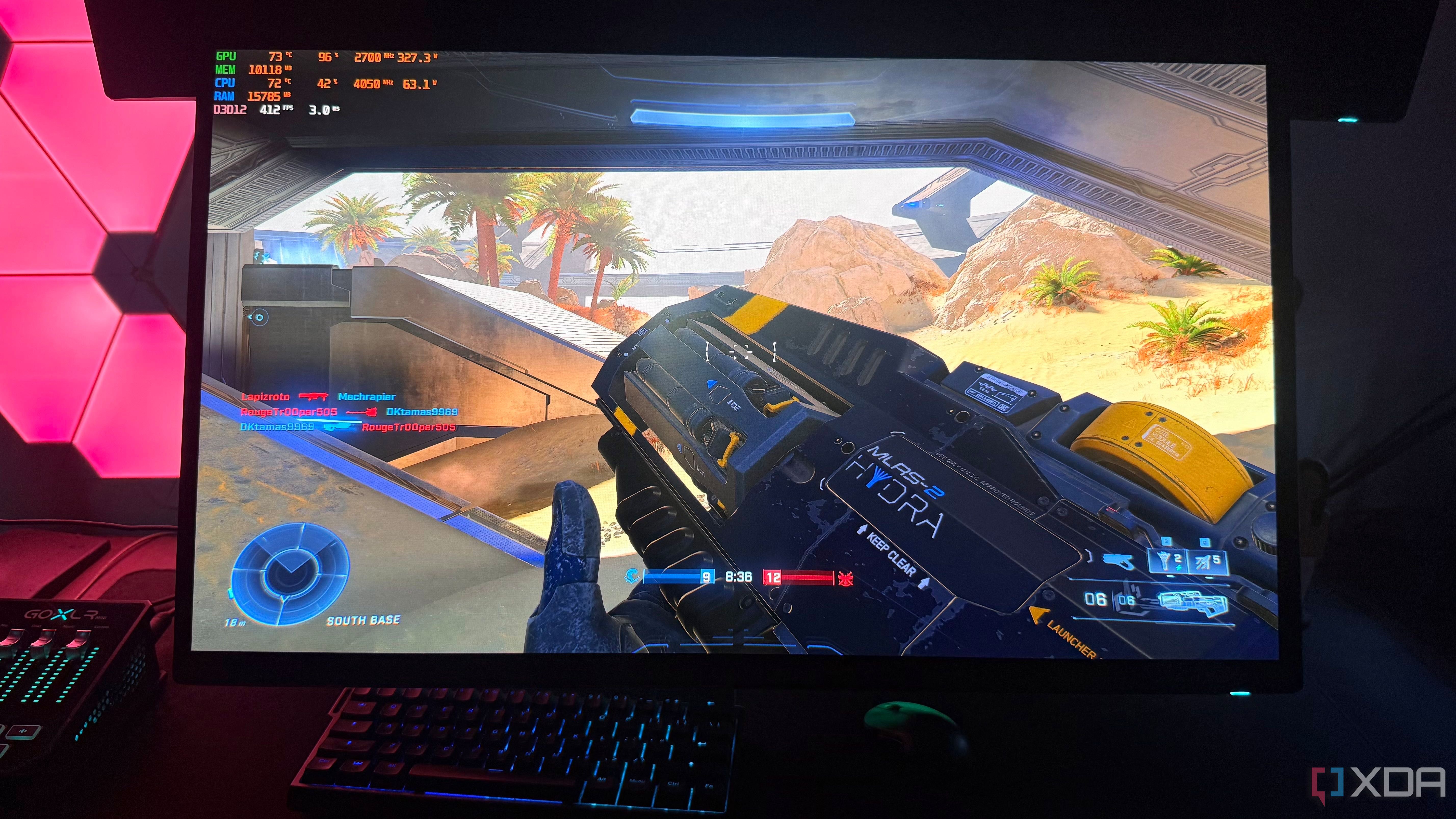
Your CPU must deliver frames to the GPU within a 4.2ms window to sustain 240FPS gaming. This can be a challenging task for even the most powerful CPUs. While the GPU handles most of the rendering, the CPU still needs to manage game logic, physics, and player movements. At lower frame rates, this workload is less demanding; however, at 240FPS, the CPU must execute these tasks much more frequently.
The result is a CPU bottleneck, where the CPU struggles to keep up with the GPU's rendering pace. Lowering graphics settings or enabling upscaling may not significantly improve FPS in this scenario, as the GPU usage remains the same. Benchmarking should focus on metrics like 1% lows and frame times, as these provide insight into the consistency of frame delivery.
Even with an average FPS of 240FPS, significant fluctuations in frame times can lead to stuttering or hitches. While a 240FPS target is not necessary for competitive play, maintaining this FPS consistently is crucial for optimal performance. A faster CPU can make a noticeable difference in achieving and sustaining high frame rates, especially when gaming at lower resolutions or using technologies like DLSS.
Written by urgent.news from XDA Developers's reporting — not their text. Machine-written — may contain errors; check the original before relying on it.