Why Writers Should Have Sympathy for Ghosts
I believe in ghosts. I have tried to stop believing in them, but I have failed. Believing in ghosts has caused me to have some very embarrassing conversations with serious people, but there’s no help for it. It was my
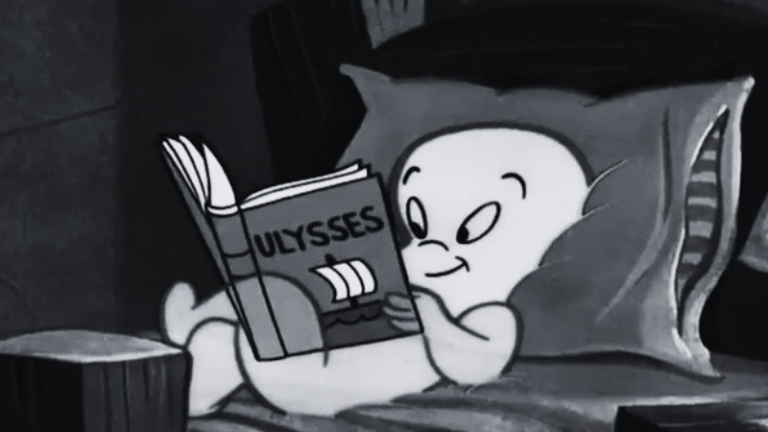
Ghosts have a way of captivating the minds of those who believe in them, despite the embarrassment that comes with discussing such topics with serious people. The author, who grew up being told ghost stories by their mother and aunt Mary Ann, shares their fondness for the mysterious and unfulfilled nature of ghosts.
Aunt Mary Ann's house, which the author describes as undeniably haunted, was the site of numerous supernatural encounters. From disembodied shoes to doleful whistling in empty rooms, the house seemed to exude an eerie presence that left the author and her cousins unsettled. Aunt Mary Ann, however, remained steadfast in her belief in the ghost's intentions and even tried to communicate with it through seances, which often resulted in darkening the neighborhood.
Despite the unsettling experiences in the haunted house, the author maintains a sympathetic view towards ghosts. They believe that all ghosts are driven by an unfulfilled duty and continually strive to communicate their messages, even though their abilities to move or touch objects are limited to strategic appearances and talking. The author draws a parallel between the struggles of ghosts and their own experiences as writers, facing similar challenges in communicating their ideas and being ignored by their audience.
This sympathy for ghosts leads the author to question the typical structure of ghost stories, which often centers around the haunted protagonist and their desire for relief from the ghostly presence. Instead, the author favors exploring the perspectives of the ghosts themselves, their motivations, and their experiences in the afterlife. They argue that the true essence of ghost stories lies in understanding the feelings and goals of the ghostly characters, rather than merely focusing on the scare factor.
The author's own attempt at writing a ghost story reflects their desire to explore the ghost's perspective, resulting in a narrative that places the ghostly heroes at the center of the plot. In "Ghost Guild: The Lost Three," the protagonist siblings are dead from the beginning and must navigate their afterlife with the same burning questions about ghosthood that the author has always had.
Alongside a plucky orphan and a diabolical telepathic villain, the ghosts take the spotlight, offering readers a fresh and intriguing take on the genre.
Written by urgent.news from Literary Hub's reporting — not their text. Machine-written — may contain errors; check the original before relying on it.