Wall Street closes sharply lower, as AI cash burn fears spark tech selloff
The Dow Jones Industrial Average fell 572.25 points, or 1.09%, to 51,770.31.
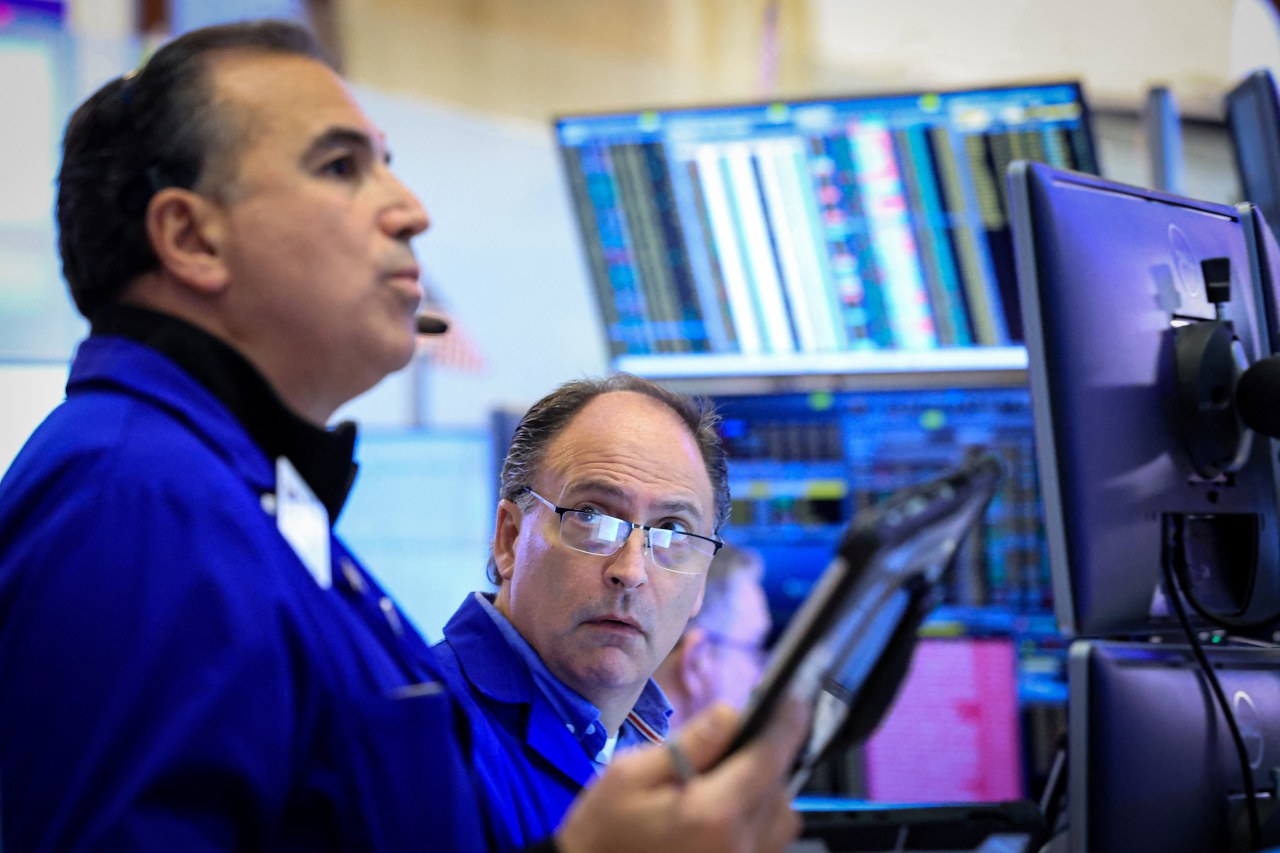
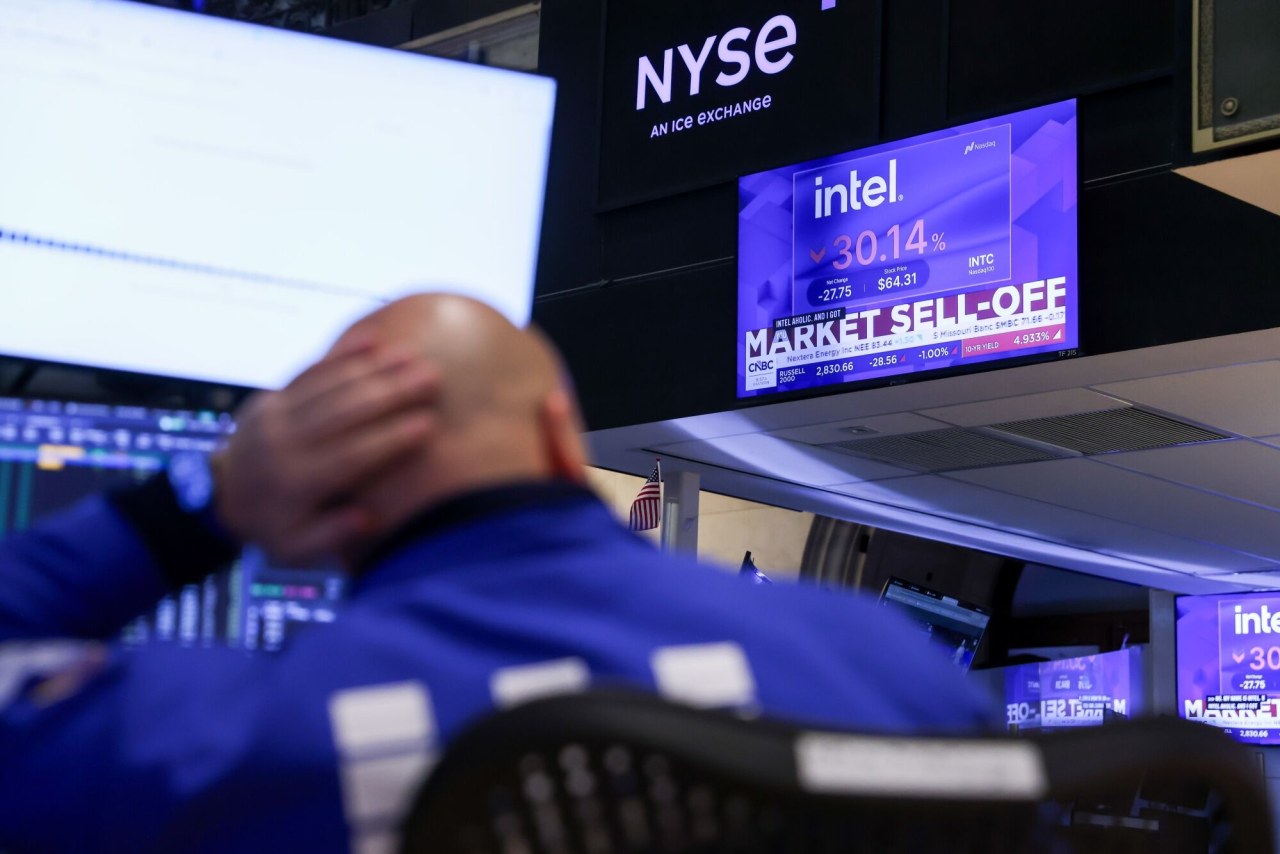
On October 30, US stocks plunged as fears surrounding artificial intelligence (AI) and growing concerns over massive spending by AI-related companies sent shockwaves through the market. The Nasdaq experienced its largest one-day percentage drop since June 5, falling 2.9%. This tech-heavy index has declined 7.8% since reaching its all-time closing high on October 6.
Intel and Amazon, both tech giants, reported disappointing quarterly results, contributing to the selloff. Intel's shares plummeted 28.6%, while Amazon managed to contain losses as the day progressed. Chip stocks, particularly Nvidia and AMD, suffered significant losses, with Nvidia down 4.2% and AMD sliding 10.9%. Server makers Dell and HP also saw declines of 10.8% and 9.6%, respectively.
Oliver Pursche, senior vice-president at Wealthspire Advisors, noted that this week's market reaction was driven by uncertainties surrounding AI's future and its potential for positive returns on investment. The S&P 500 and Nasdaq indexes both closed lower on the week, with the S&P 500 losing 1.82% to 7,580.07 and the Nasdaq Composite declining 2.86% to 25,437.00.
The Dow Jones Industrial Average, however, managed to close higher with a 1.09% gain to 51,770.31. The S&P 500 tech sector posted its largest monthly percentage loss since March 2025, while communication services experienced the biggest monthly drop since April 2022. Third-quarter earnings season is nearing its halfway point, with 299 S&P 500 companies reporting results.
Of those, 82% have beaten consensus expectations, according to LSEG data. Analysts now forecast third-quarter S&P 500 earnings growth of 31.6% year-on-year. Despite the overall market downturn, oil supermajors Exxon Mobil and Chevron exceeded quarterly profit expectations, benefiting from soaring profit margins due to energy supply disruptions caused by the US-Israeli war with Iran and Russia's war in Ukraine.
Exxon Mobil's stock gained 2.2%, while Chevron increased by 2.8%. Meanwhile, Starbucks faced a 1.8% decline after forecasting a decline in annual revenue due to the divestiture of its Chinese business. Cryptocurrency-related firms Coinbase, Strategy, and Robinhood also fell between 7.2% and 10.6% following reports of hackers stealing $6.3 billion from Binance, the world's largest cryptocurrency exchange.
On the New York Stock Exchange, declining issues outnumbered advancers by a ratio of 1.8-to-1, with 169 new highs and 377 new lows. On the Nasdaq, 1,196 stocks rose, while 3,622 fell, with declining issues outnumbering advancers by a ratio of 3.03-to-1. The S&P 500 recorded 43 new 52-week highs and 5 new lows, while the Nasdaq Composite saw 70 new highs and 355 new lows.
Overall, volume on US exchanges reached 19.87 billion shares, surpassing the 17.26 billion average for the full session over the last 20 trading days.
Written by urgent.news from Straits Times Business's reporting — not their text. Machine-written — may contain errors; check the original before relying on it.