Visa rejections shouldn't express political discontent between allies
Under President Donald Trump's administration, stricter immigration policies have led to an increase in the U.S. rejecting visa applications for visitors from around the globe. It is one thing for a government to reject potentially dangerous travelers, but it is another matter when the applicants are lawmakers from allied countries whose travel is halted by a visa denial. Rep. Jin Sung-joon of…
The United States has been imposing stricter visa restrictions under the Trump administration, resulting in a rise in visa denials for travelers from various countries. While it is acceptable for a nation to reject potentially harmful visitors, it is a different matter when the affected individuals are representatives of allied nations whose travel is impeded by visa refusals.
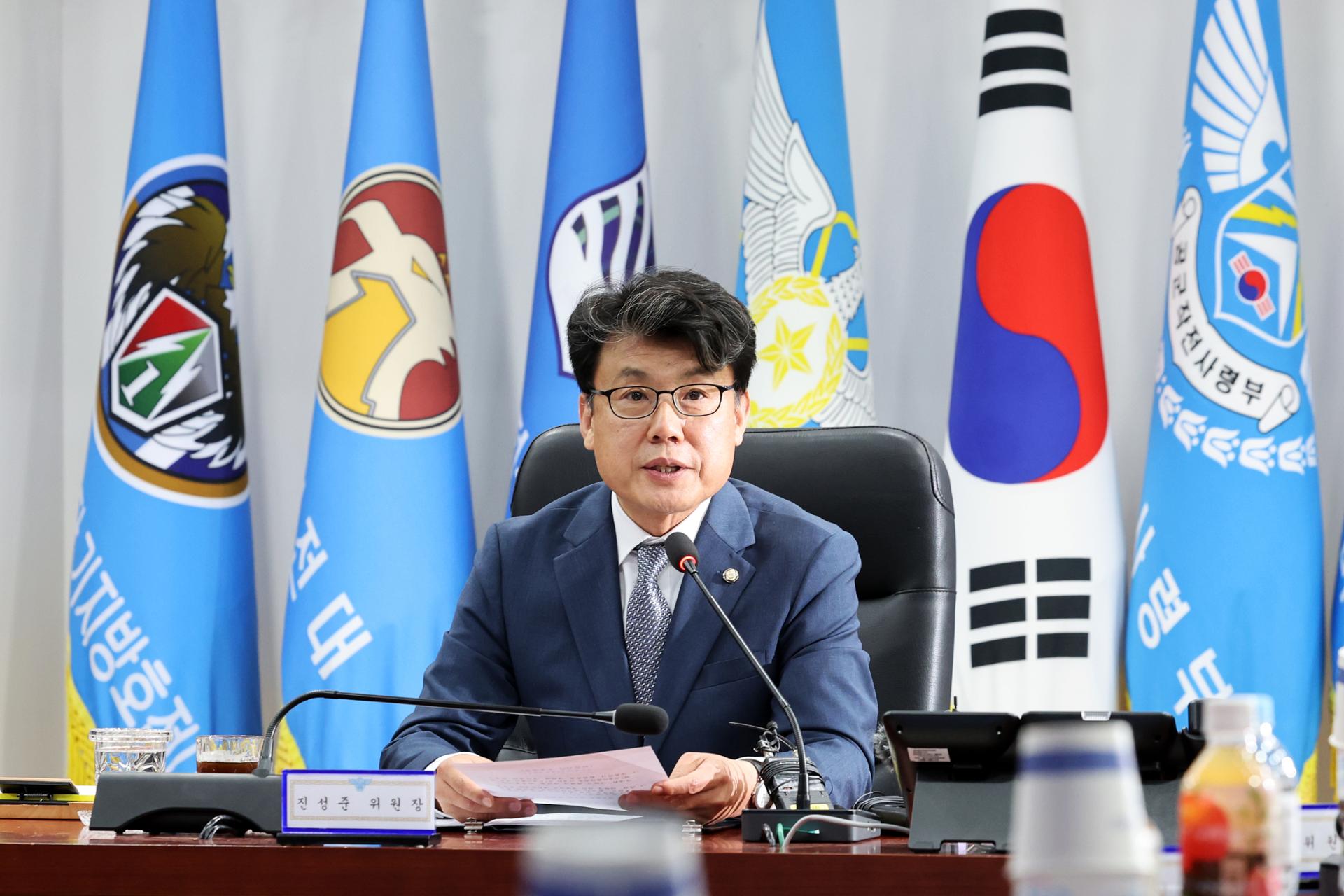
Jin Sung-joon, a member of South Korea's ruling Democratic Party of Korea (DPK) and head of the National Assembly Defense Committee, faced a visa rejection on October 12. He was scheduled to visit the U.S. Indo-Pacific Command in Hawaii with a delegation from the defense committee. The rejection, according to Jin in a Facebook post, disrespects the stature of South Korea's National Assembly and erodes the trust and mutual respect that constitute the basis of the U.S.-Korea alliance.
Similarly, former DPK chairman Rep. Jung Chung-rae also had his U.S. visa application denied ahead of his intended visit to the United States for a parliamentary review of Seoul's diplomatic mission.
Written by urgent.news from The Korea Times's reporting — not their text. Machine-written — may contain errors; check the original before relying on it.
This story
This is one outlet's version. Read the fullest account.