U.S. approves possible sale of 500 PAC-3 interceptors to Ukraine for $2.1 billion
The U.S. State Department has approved the possible sale of PAC-3 interceptor missiles for Patriot air defense systems and related equipment to Ukraine for an estimated $2.1 billion, the department announced on Oct. 30.
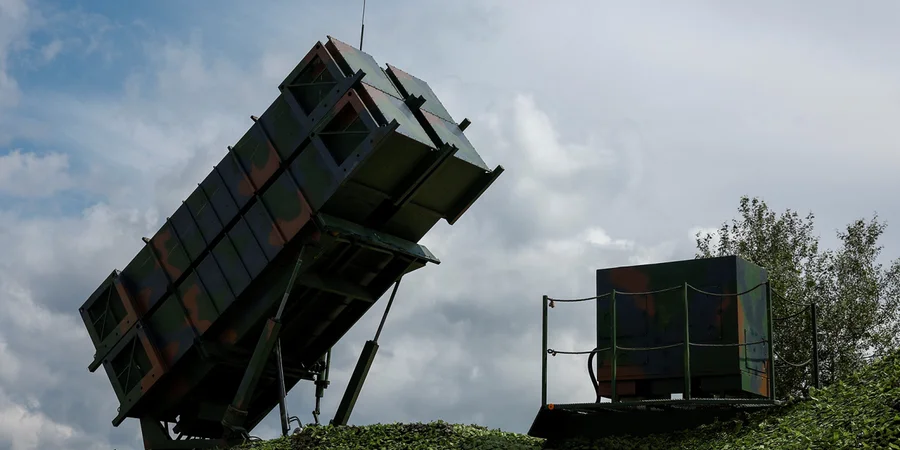
On October 30, the U.S. State Department announced the potential sale of PAC-3 interceptor missiles and associated equipment to Ukraine, valued at approximately $2.1 billion. Canada, Germany, Norway, and an EU loan to Ukraine will cover the expenses, with no U.S. funding involved. The package includes 500 PAC-3 MSE missiles, spare parts, logistical support, and software.
The State Department clarified that this sale would not impact the U.S. defense capabilities. Radio Free Europe/Radio Liberty had previously reported on October 29 that the U.S. was delaying the delivery of PAC-3 interceptor missiles to Ukraine, citing concerns from NATO officials. These officials were worried that President Donald Trump might delay the Patriot missile delivery to Ukraine until the midterm elections.
General Alexus Grynkewich, NATO's Supreme Allied Commander Europe, reiterated on October 30 that the U.S. continues to provide Ukraine with interceptor missiles for Patriot air defense systems, as well as additional weapons packages funded by European allies.
Written by urgent.news from New Voice of Ukraine's reporting — not their text. Machine-written — may contain errors; check the original before relying on it.
This story
This is one outlet's version. Read the fullest account.
- US approves $2.1 billion Patriot missile sale to Ukraine as NATO commander dismisses delivery concerns kyivindependent.com
- NATO’s Top Commander Sees No Delays in Patriot Missile Deliveries to Ukraine uatv.ua
- US approves sale of 500 Patriot missiles to Ukraine bbc.co.uk
- US approves $2.1bn Patriot missile sale to Ukraine after Zelensky's protest dailypost.ng
- US Formally Approves $2.1B Sale of 500 Patriot Missiles to Ukraine kyivpost.com
- US approves $2.1 billion Patriot missile sale to Ukraine investing.com