The Taurid meteor shower isn't much to look at. That's why I love it
The Taurids produce only a handful of meteors an hour. That sounds disappointing, but I've learned that expecting almost nothing can make this one of the most enjoyable meteor showers of the year.
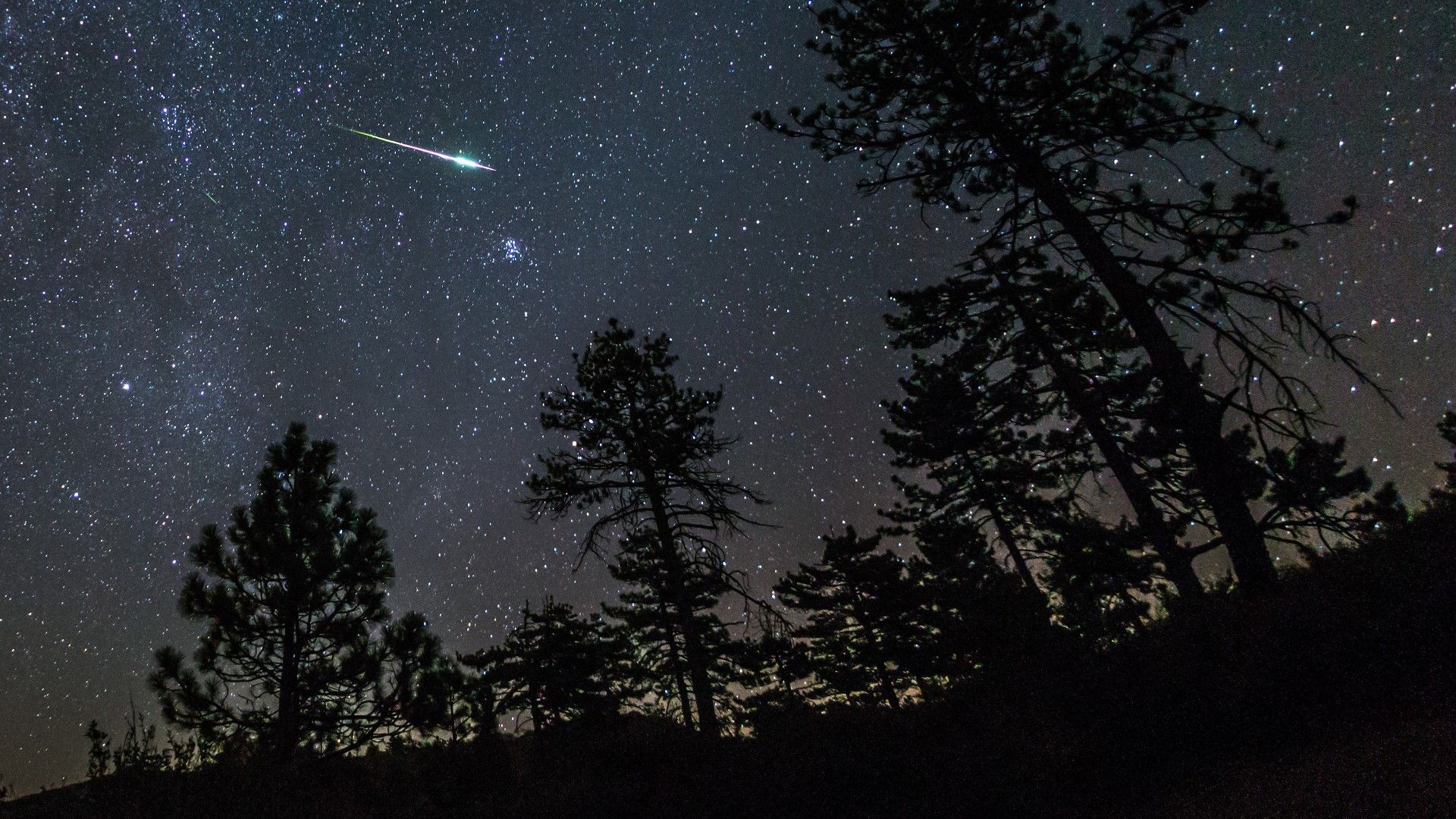
Meteor showers are often met with expectations of a certain number of shooting stars per hour. However, the Taurid meteor shower offers a different perspective. With a zenith hourly rate of around five meteors per hour under ideal conditions, it may seem anticlimactic. But it's in this scarcity that the Taurids shine. Rather than focusing on counting a steady stream of meteors, I find the experience more rewarding when I simply observe the sky.
This shower is known to occasionally produce brilliant fireballs, though such occurrences are infrequent. It's important not to rely on a predictable pattern. Instead, be open to whatever the night sky brings. The Taurids appear to be originating from the constellation Taurus, near the Pleiades star cluster. They travel at a relatively slow speed, approximately 18 miles (29 kilometers) per second, which could contribute to their distinctive appearance.
This year, the new moon on November 9 will provide a dark sky for observing the Taurids. This shower peaks around November 4-5 and again on November 11-12. While perfect conditions are unlikely, even a young waxing crescent moon won't significantly interfere with viewing. My strategy involves setting up a smart telescope on the Pleiades to capture images while I take in the rest of the sky.
The Taurids are visually striking and can be seen from many locations, not just those with perfect darkness. The occasional bright fireball is worth the effort, even if the shower isn't consistently prolific.
Written by urgent.news from Space.com's reporting — not their text. Machine-written — may contain errors; check the original before relying on it.