The real sell-out was not the 1994 settlement
Challenging the generational moral outrage surrounding the Khampepe Commission, this piece argues that Mandela and the ANC’s 1994 compromises were not a betrayal but a strategic necessity dictated by the material and geopolitical realities of the time, exposing the true “sell-out” as the current generation’s squandering of the political power they inherited.
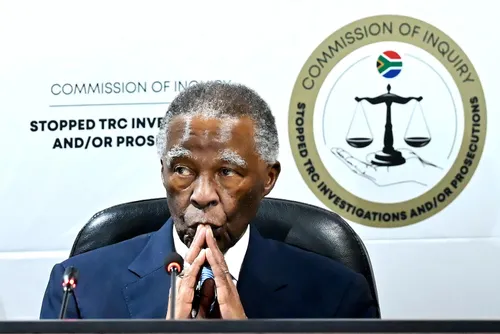
The recent Khampepe Commission proceedings have reignited a controversial narrative in South Africa, branding Nelson Mandela, Thabo Mbeki, and their peers as "sell-outs" who betrayed the revolution during the 1994 Codesa negotiations. This perspective overlooks the complex realities of the era. From a historical materialist viewpoint, the negotiated settlement and conditional amnesty were strategic necessities, not betrayals, given the constraints they faced.
Before the ANC's involvement at Codesa, the primary international backers of the liberation movement—China and the Soviet Union—had already shifted towards global capitalism. This shift, following Mao's death and Gorbachev's reforms, created a new geopolitical reality where superpowers required concessions from the ANC for their own survival.
Ignoring these global dynamics is not bravery but rather strategic incompetence. Domestically, the apartheid security apparatus remained intact, and a right-wing coup was a genuine threat. Demanding immediate arrests without a peaceful transition would have led to civil war. Instead, the Truth and Reconciliation Commission and its conditional amnesty were essential for a peaceful transfer of power.
Mandela and Mbeki, facing immense personal tragedies, made these difficult decisions to secure the nation's future. While current frustrations over unaddressed crimes and economic challenges are valid, attributing these issues to the negotiated settlement is a fundamental misunderstanding of statecraft. The 1994 compromise provided a constitutional democracy and a resilient legal framework, enabling subsequent generations to build economic power.
The post-Mandela generation's failure to manage the inherited state lies at the core of South Africa's current economic struggles. Rather than blaming the 1994 settlement, it is time to address the broader issue of our society's inability to convert political power into sustainable economic growth. The real sell-out in South Africa is not a historical event but a present-day phenomenon, where consumption overshadows production, and entitlement replaces agency.
Mandela, Mbeki, and their peers should be remembered as giants who navigated immense geopolitical challenges and delivered a functioning state. We have an opportunity to honor their legacy by embracing fiscal responsibility and active participation in building a prosperous future.
Written by urgent.news from IOL's reporting — not their text. Machine-written — may contain errors; check the original before relying on it.