The OBR is clear: Not a single measure from this Budget will raise growth
This Budget was not a plan for growth or national renewal, it was a smothering pillow for the UK economy, writes Robert Jenrick.
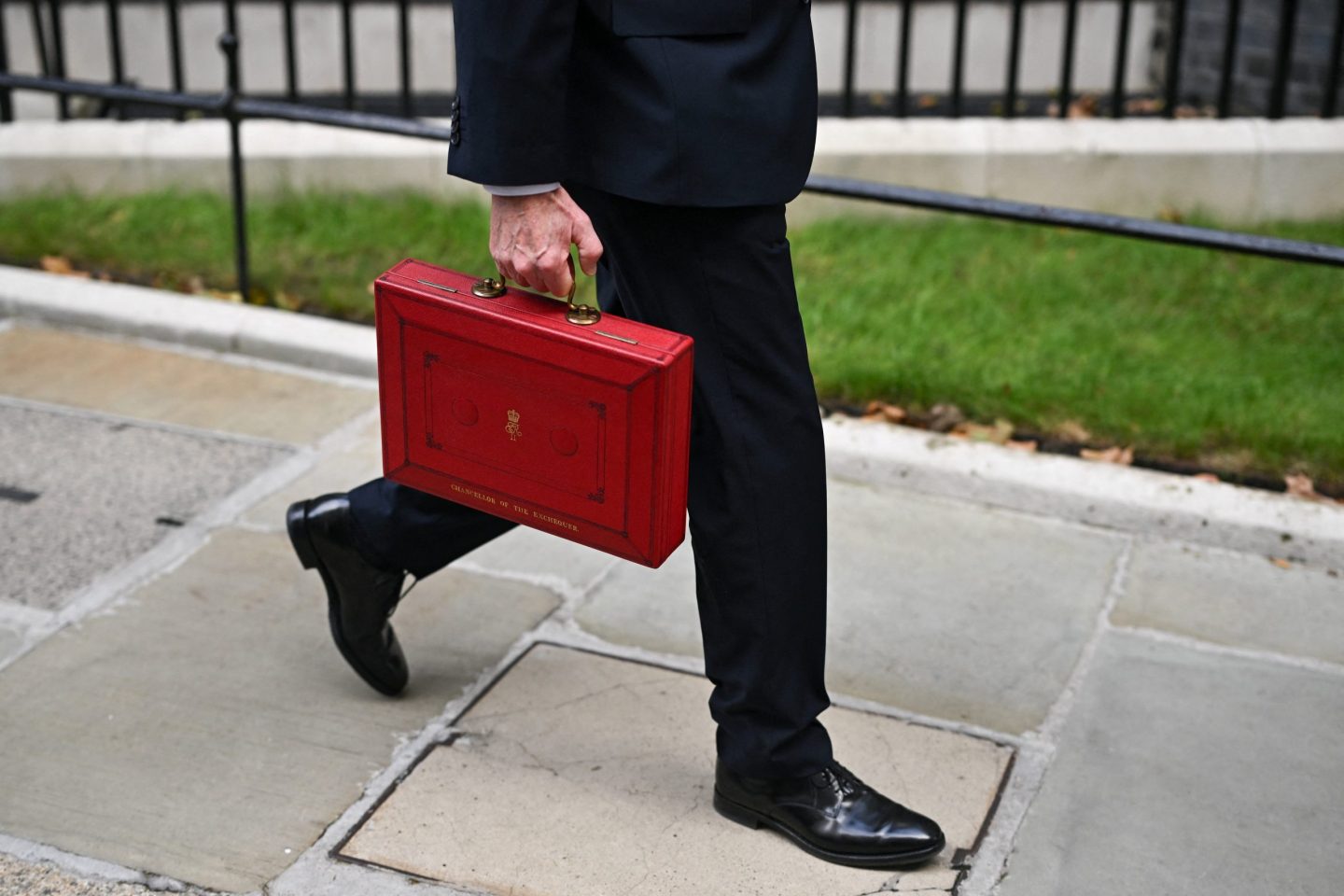
In his inaugural Budget, Chancellor John Healey failed to deliver any measures that would stimulate UK economic growth, argues Robert Jenrick, Reform UK's shadow chancellor. For months, the Treasury had emphasized a fresh start for the economy, but the budget delivered by Healey was anything but a plan for growth or national renewal. The Office of Budget Responsibility (OBR) even stated that none of the measures in the budget could be credited with raising growth.
Healey's budget was a timid exercise in political management, a temporary fix to keep the government afloat for a few more months. Instead of providing stability, competitive taxation, and clear signals of reward for ambitious businesses, Healey increased taxes on banks by three percent. This action sent a chilling signal to international investors, as capital is highly mobile.
If London becomes a more expensive and unpredictable place to do business, investment will simply flow elsewhere, taking jobs and future tax revenues with it.
Additionally, the budget showed a lack of fiscal discipline. It failed to address the ballooning benefits bill or the eye-watering cost of borrowing. Borrowing forecasts for the next five years have risen by £65 billion since March, with debt interest expenditure set to reach £160 billion annually by 2031 – an increase of £36 billion per year. This fiscal approach is reckless and shortsighted, prioritizing short-term political gains over future stability.
Independent experts have pointed out that the Chancellor's long-term plans rely on the unrealistic assumption that the government will make significant spending cuts in the future. Given Labour's unwillingness to even consider a modest £5 billion reduction in the benefits bill last year, such a claim appears highly doubtful.
Britain urgently needs a bold supply-side revolution, characterized by aggressive deregulation, structural tax reform, and a focus on unleashing private investment. Reform UK proposes an alternative plan with 64 pro-growth policies that cost nothing. These include approving the Rosebank Oil field, permitting new runways at Heathrow and Gatwick, raising the personal allowance to £15,000, and paying for it by cutting £40 billion in waste, welfare dependency, and foreign aid.
Other reforms include lowering the cost of hiring British workers, increasing the VAT registration threshold to £150,000 for small firms, and eliminating income tax on overtime. Ultimately, Reform UK aims to allow British business to thrive by reducing the burden of government bureaucracy and enabling entrepreneurs to focus on building successful businesses.
Written by urgent.news from City AM's reporting — not their text. Machine-written — may contain errors; check the original before relying on it.