Techie Tonic: Cybersecurity in the AI age — why resilience matters
Cybersecurity is no longer just about firewalls, malware, and hackers. In today's world of artificial intelligence, geopolitical uncertainty, misinformation, supply chain dependencies, and increasingly sophisticated cyber threats, resilience has become a boardroom priority and a business imperative. These themes took center stage during a thought-provoking fireside chat titled "Building…

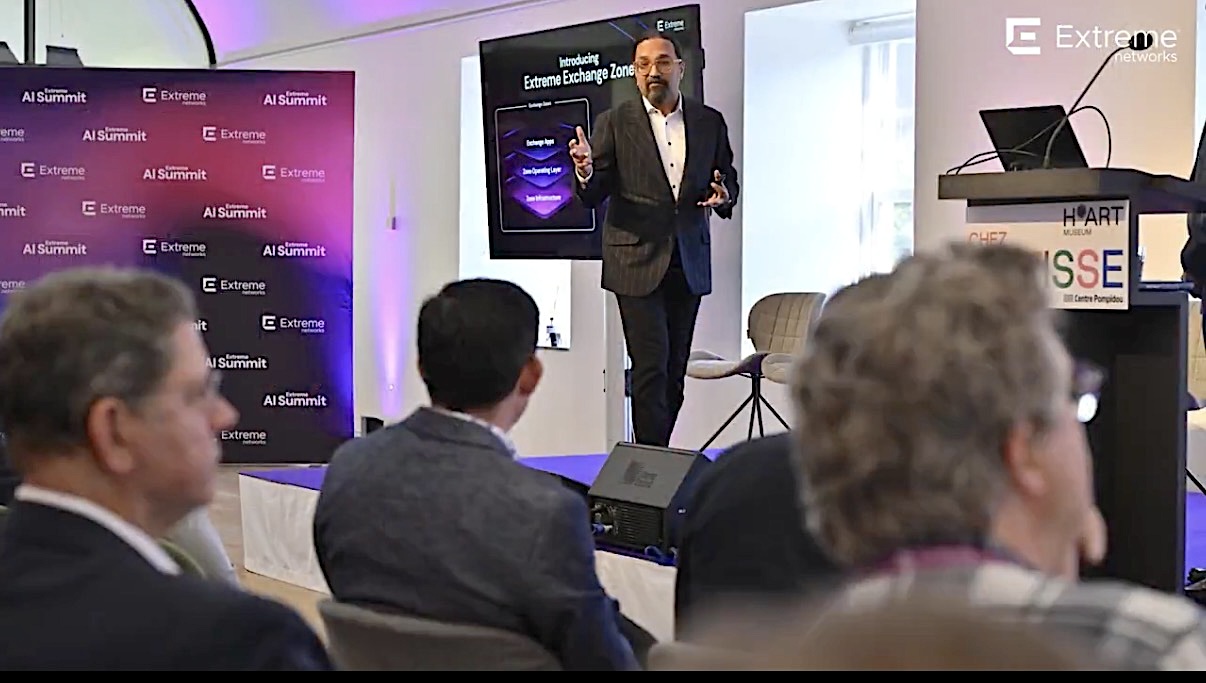
Cybersecurity has evolved far beyond the basics, as the battlefield now includes AI, geopolitical uncertainty, misinformation, supply chain interdependencies, and advanced cyber threats. At the Check Point Engage Dubai fireside chat titled "Building Resilience in the Age of Mythos: Inside the Mind of a CISO," industry leaders gathered to discuss the challenges and strategies of modern cybersecurity.
The session began with a poignant question: what does the "Age of Mythos" signify? This term encapsulates the reality where perception often outruns facts, with organizations constantly inundated by cyber warfare, ransomware, nation-state attacks, AI-powered threats, and digital espionage. While awareness is crucial, the real challenge for business leaders lies in discerning which risks require immediate attention and which generate mere noise.
Resilience, the panel emphasized, is not solely a technological undertaking but a comprehensive approach rooted in leadership, preparation, and sound decision-making. It was a common misconception that cybersecurity was merely a technology issue; in fact, major disruptions over the past decade have shown that technology failures are just one aspect of the equation.
The true determinants of success or failure lie in an organization's response under pressure. When queried about what keeps a Chief Information Security Officer (CISO) awake at night, the audience might not expect answers beyond hackers or sophisticated cybercriminals. Instead, the conversation pivoted towards operational disruption.
Can a company serve customers if critical systems fail? Can employees stay productive if collaboration tools go offline? Can executives make informed decisions during a crisis? Can essential services remain functional when regular operations are disrupted? The consensus was unanimous: resilience is about more than just avoiding cyber incidents; it's about recovering swiftly, maintaining customer confidence, and ensuring business continuity.
The discussion then turned to the most unpredictable element in cybersecurity: people. Despite significant investments in security technologies, many breaches still stem from human actions. A single click on a malicious link, a successful social engineering attack, or a compromised password can circumvent even the most advanced technical safeguards.
With the advent of AI, these risks have become even more pronounced. Attackers can now create phishing emails that appear authentic, synthetic voices that mimic voices, deepfake videos that deceive, and fraudulent executive communications at an unprecedented scale. Organizations that merely focus on technology may fall behind. Those that prioritize cyber awareness, digital literacy, and a robust security culture will be better equipped to withstand threats in the long run.
The conversation also delved into the dual nature of Artificial Intelligence (AI). While AI offers significant benefits such as automating monitoring, improving threat detection, accelerating investigations, and enhancing response capabilities, it also lowers the barriers for cyber attackers by providing tools for reconnaissance, personalized attacks, and more sophisticated campaign execution.
The key question for organizations is not whether to embrace AI, but how to do so responsibly. Effective governance, ethical implementation, and robust risk management will be crucial for leveraging AI's potential while mitigating its threats. The modern CISO role has also transformed dramatically. No longer just an IT concern, cybersecurity has become a critical business risk discipline that requires expertise in enterprise risk management, geopolitics, regulatory compliance, crisis communications, customer trust, and business strategy.
The new question for leaders is no longer "Are we secure?" but rather "How do we continue delivering value when disruption occurs?" Ultimately, the session underscored that resilience is about more than avoiding cyber threats; it's about navigating through disruptions. The modern CISO has evolved from a system guardian to a custodian of organizational trust.
In this rapidly changing landscape where cyber threats, AI disruption, geopolitical uncertainty, and operational risks intersect, the organizations that will succeed are those that prioritize preparation, adaptability, recovery, and continuous learning.
Written by urgent.news from Gulf News's reporting — not their text. Machine-written — may contain errors; check the original before relying on it.