Something Wicked This Way Comes: 10 Poems to Read This Halloween
Most poetry-lovers know classic horror poems by writers like Edgar Allan Poe, Emily Dickinson and Percy Bysshe Shelley. But there are also many eerie poems written by poets who aren’t known specifically for their gothic or horror writing. Some of
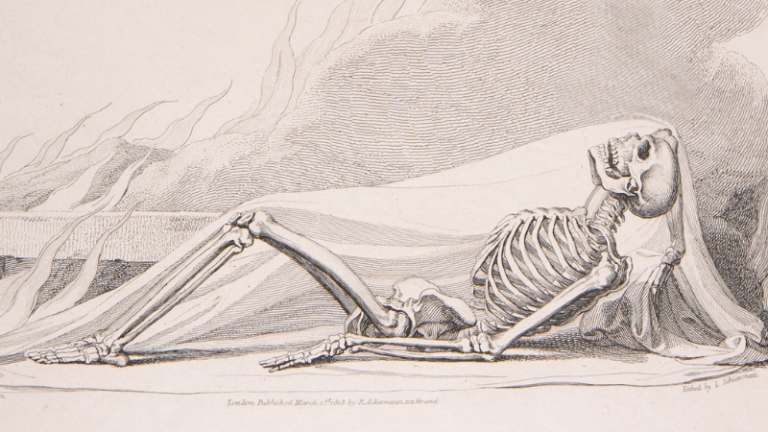
Ghost poems have haunted the literary world for centuries, often leaving readers with an unsettling feeling of mystery and unease. Cynthia Huntington's "Ghost" speaks of a spirit moving rapidly, watching its audience with a nervous presence. This poem taps into the fear of knowing one's presence is being observed, but not knowing the motive behind it.
Holly Lyn Walrath's "We Have Always Lived" takes inspiration from Shirley Jackson's horror novel, creating an erasure poem from its text. By removing certain words, Walrath highlights the isolation and dread felt by the two sisters in the story. The repetition of phrases like "their bodies" and "had always been there" creates an unsettling atmosphere that lingers long after reading.
Joy Harjo's "Day of the Dead" offers a more hopeful perspective on the holiday. The poem from her collection In Mad Love and War celebrates the lives of loved ones lost and the transition of spirits during this season. Harjo juxtaposes the horrors of the Day of the Dead with the transformative power of love, reminding readers that even in darkness, there is hope for renewal.
Eve L. Ewing's "Horror Movie Pitch" uses horror tropes and dark humor to address real-life issues of racism and sexism faced by Black women in the United States. The poem imagines a revenge movie where black women suddenly become invisible, reflecting the struggles of the community in a chillingly realistic way. Despite its dark premise, the poem ultimately delivers a message of empowerment through the triumph of revenge.
Zefyr Lisowski's "Remembering Is a Kind of Work Too" presents a haunting question: what happens when everything remains exactly as it is? The poem explores the concept of ghosts in our lives, even when we try to escape them. Through vivid imagery and references to classic horror movies, Lisowski conveys the feeling of being consumed by one's past and the struggle to move on.
Charles Simic's "Ghosts" takes readers on a tour of various ghostly apparitions, each with their own unique characteristics and motives. The speaker is both terrified and skeptical of these spirits, questioning their presence and purpose. Simic's poem leaves the reader with more questions than answers, leaving the haunting atmosphere intact.
Vanessa Angélica Villarreal's "Corpse Flower" uses the imagery of the eponymous flower to create a dark, almost Frankenstein-like creature. The speaker takes parts from the corpse flower's spine and builds a new being, highlighting the grotesque and unsettling nature of the resulting creature. Villarreal's poem blurs the line between life and death, reminding us that sometimes, even the most horrifying creations can emerge from the most unexpected sources.
Written by urgent.news from Literary Hub's reporting — not their text. Machine-written — may contain errors; check the original before relying on it.