Six future Trump officials wrote books before taking office. All six leaned hardest on the same metaphor.
Before joining the second Trump administration, J. D. Vance, Marco Rubio, Pete Hegseth, and three other future officials wrote books that framed politics largely through metaphors of war, decline, disease, and betrayal. Metaphors of threat outnumbered metaphors of renewal by about nine to one.
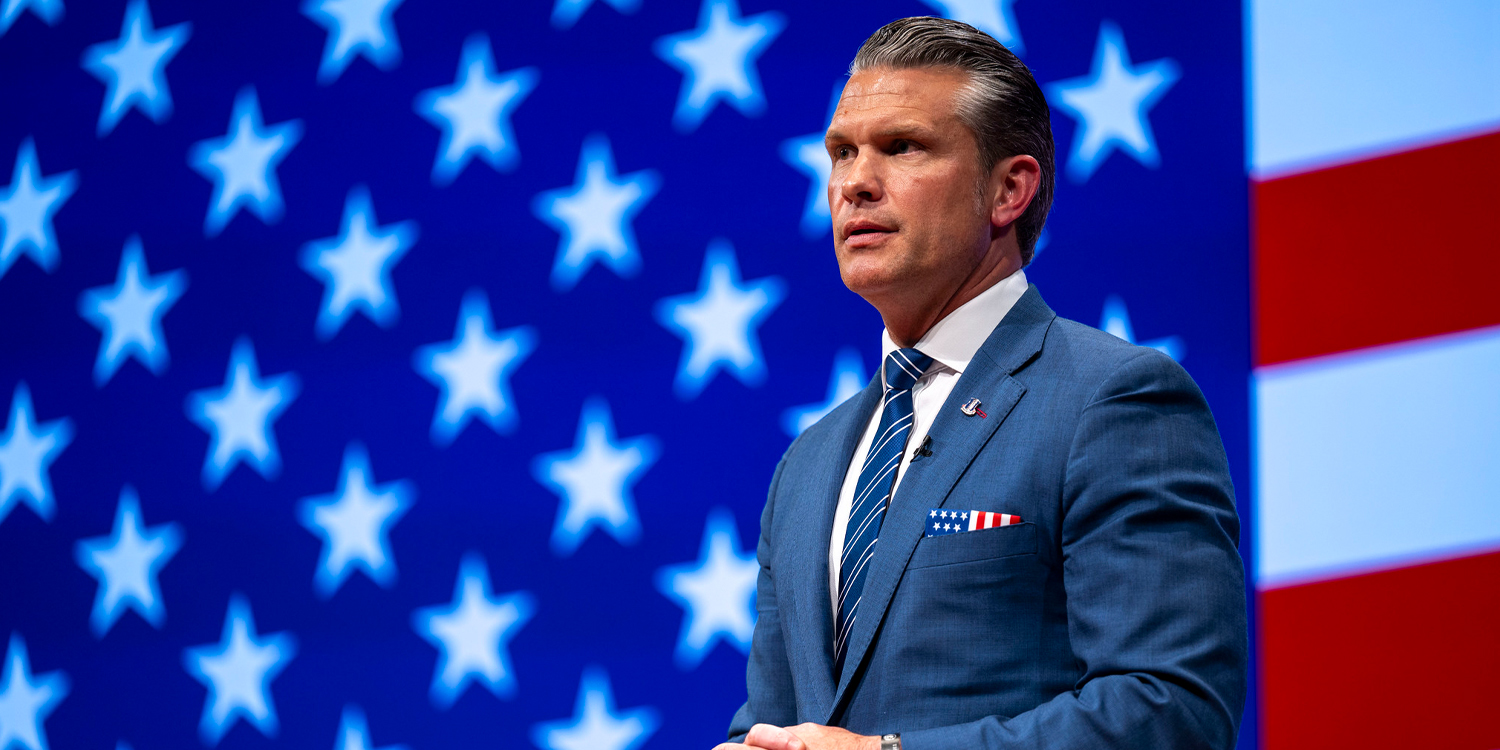
Six future officials in Donald Trump's administration authored books prior to assuming their roles, with all six works employing war metaphors, according to a recent analysis from Frontiers in Psychology. The researchers observed that 90 percent of these metaphors emphasized threats or harm, while fewer than 1 percent addressed restoration or improvement.
Opponents were more frequently depicted as domestic adversaries rather than foreign foes. The authors assert that this shared linguistic pattern suggests a unified rhetorical strategy extending beyond Trump's personal style. In politics, conceptual metaphors—figures of speech that explain complex policy debates through tangible experiences like war, illness, or construction—are commonly used.
These comparisons can guide attention towards particular causes and render certain actions seem both natural and necessary. Research has shown that even a single word change in framing can significantly impact public preference, as demonstrated by a 2011 study. The authors also introduce the concept of "cognitive mobilization," which refers to the way metaphors, combined with emotional cues, define crises, assign blame, and propose courses of action.
Studies have consistently linked anger to support for populist politics, followed by fear, resentment, and nostalgia. Populist politicians frequently utilize emotionally charged narratives and blame to attract followers. While much of the investigation into the Make America Great Again movement has centered on Trump himself, this new study aims to determine if a common narrative blueprint exists among the broader coalition of elites who joined his administration.
To investigate this, researchers from the National University of Defense Technology in China analyzed six full-length books penned by prominent figures before their entry into the Trump administration. These books were published between 2016 and 2024 and covered subjects ranging from public health and education to immigration and borders.
After removing non-essential sections, the team categorized the text into paragraphs and clustered them using a machine-learning algorithm. From the initial pool of 3,660 metaphorical expressions, manual review identified 2,074 that fit the researchers' criteria. The metaphorical language was categorized into six primary themes: war and conflict, decline and fall, corruption and disease, invasion and infiltration, betrayal and abandonment, and economic decline.
Written by urgent.news from PsyPost's reporting — not their text. Machine-written — may contain errors; check the original before relying on it.