Scammers are using the election to steal your money. Heres how to fight back.
Scammers are taking advantage of a record-breaking number of political calls and texts to steal your information and cash.
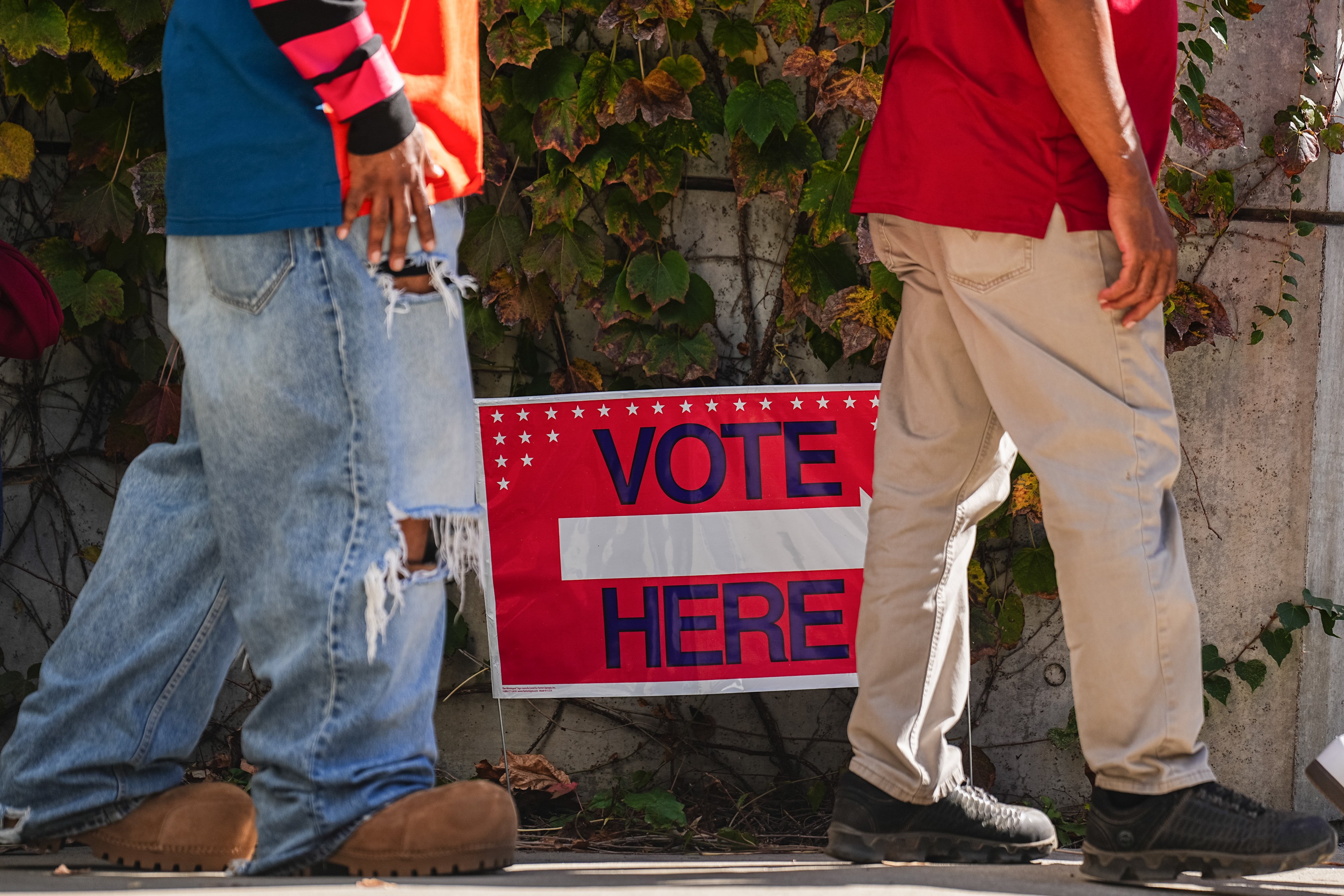
The 2024 midterm elections are approaching, and with them comes a surge in political text messages and calls. Americans are expected to receive around 60 billion political texts this year, with an average person reading 170 messages. Campaigns are also spending more than $11 billion on their elections. However, it's not just campaign spending to watch out for; the influx of political calls, texts, and ads creates an ideal environment for scammers, warns Ron Kerbs, CEO of AI fraud prevention company Kidas.
Kerb emphasizes that a fraudulent call can easily blend in with legitimate political outreach. He advises Americans to be cautious and vigilant. Unknown calls should be directed to voicemail, and any calls or texts from individuals claiming to be candidates or affiliated with political campaigns should be verified before taking any action. Kerbs suggests taking a moment to consider the situation before giving any money or personal information.
It's important to note that being on a Do Not Call list won't protect you from election scams. Most political communications are exempt from the national opt-out database. While campaigns must adhere to federal restrictions on automated and prerecorded calls, including texts, the exceptions can lead to confusion for voters. Scam texts may involve fraudulent solicitations for campaign contributions, merchandise, or the theft of personally identifiable information.
When it comes to phone calls, scammers can be especially convincing, thanks to advancements in AI technology. Scammers can now generate highly realistic AI voices that mimic known candidates or public officials, making it difficult for people to distinguish between real and fake calls. In 2024, AI-generated robocalls impersonating then-President Joe Biden urged New Hampshire voters to skip the primary election, resulting in a federal crackdown on junk calls, including the expansion of the Telephone Consumer Protection Act to ban unsolicited AI robocalls.
Scammers have various motivations for targeting voters during the election season. They may impersonate election officials to solicit personal information or influence votes by claiming there's an issue with your voter registration or ballot. Scammers might also pose as official pollsters to collect sensitive information. Donation scams are another common tactic, where bad actors pose as official campaigns or PACs to solicit donations under false pretenses.
Be wary of any call that sounds legitimate but still raises red flags, such as urgency, requests for personal information, or unusual payment methods like gift cards, cryptocurrency, or upfront fees.
To protect yourself from election scams, Kerbs advises hanging up and verifying the caller's information from a second source, such as your state or local election office. Always check official government websites for accurate information on voter registration and any potential issues. Be cautious of anyone claiming they can update your voter registration over the phone in exchange for sensitive information or payment.
Remember, registering to vote is free, and voters should use official state election resources to manage their registration status.
Written by urgent.news from Mashable's reporting — not their text. Machine-written — may contain errors; check the original before relying on it.