Robotize this: Despite apocalyptic forecasts, AI will make society richer
In his controversial new book, Igor Lipsitz predicts that the adoption of AI will lead to a global catastrophe in the labor market. In the author’s (highly debatable) view, growth in labor productivity will not offset this reduction. Of course, the emergence of new technologies does make some professions redundant, but only because people and machines begin to perform more tasks in less time —…
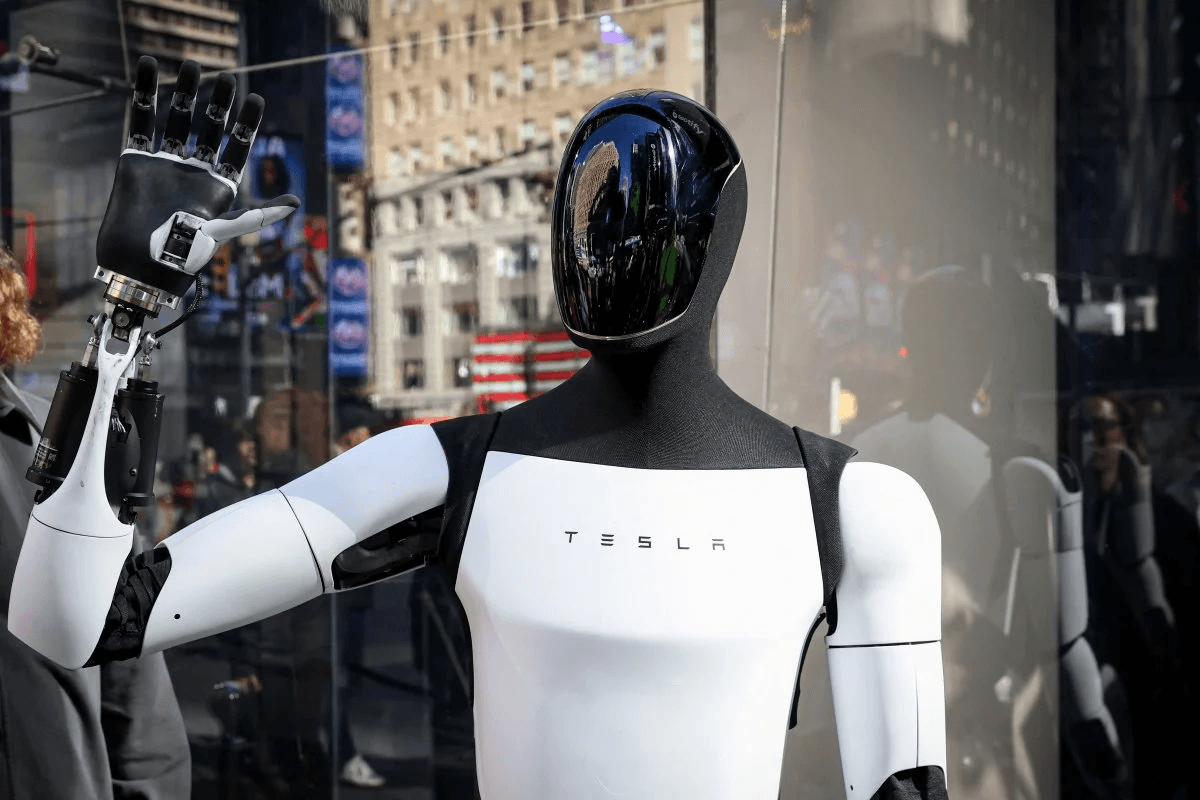
Despite doomsday predictions, artificial intelligence will actually make society wealthier, according to historical evidence. Throughout human history, new technologies and automation have consistently resulted in increased prosperity, rather than mass unemployment. In the United States, for example, while 41% of workers were in agriculture in 1900, that figure had dropped to just 2% by 2000, despite the rise of machinery that displaced many farmers.
The mechanization of agriculture not only eliminated jobs but also caused food prices to plummet, giving people more disposable income to spend on other goods and services. Similarly, the invention of shipping containers in the 1950s reduced the cost of moving cargo by 96%, leading to a boom in global trade that outpaced all postwar international agreements combined.
Automation often leads to the creation of entirely new industries and job categories. For instance, the introduction of personal computers eliminated typing pool jobs but spawned millions of new positions for programmers, systems analysts, marketers, and designers. Throughout recorded history, human income per person remained stagnant until the Industrial Revolution, when mechanization of labor began to outpace population growth.
Over the next two centuries, global GDP per capita skyrocketed by a factor of 15, reaching over $18,000 by today's standards.
In contrast to popular fears, statistics actually show that the growth of output over the past two centuries has been accompanied by a reduction in working hours and an increase in leisure time. In the 19th century, Europeans and Americans worked 10-12 hour days, six days a week with no vacation. As automation progressed, working conditions improved dramatically, with modern workers in developed economies enjoying a standard 40-hour workweek with benefits like paid vacations, sick leave, public holidays, and pensions.
The fear that AI will leave half of the world's population unemployed is based on a flawed 2013 study from Oxford University, which estimated that 47% of U.S. jobs could be at risk from artificial intelligence. However, the researchers themselves clarified that this figure represented the proportion of work tasks that computers could potentially perform, not the actual number of job losses.
A subsequent study by OECD researchers broke down occupations into specific tasks and found that only 9% of jobs, ranging from 6% in South Korea to 12% in Austria, faced a significant risk of full replacement by machines. For the vast majority of workers, technology does not eliminate entire professions but rather automates routine tasks and complements human labor.
No country has ever achieved sustained growth in average incomes without embracing major technological advancements, and AI is no exception. While AI shares similarities with previous technological revolutions, it does so in a fundamentally different manner. Rather than instant job destruction, AI is more likely to transform occupations by automating specific tasks, altering work structures, and shifting the nature of labor.
Written by urgent.news from The Insider's reporting — not their text. Machine-written — may contain errors; check the original before relying on it.