Rivian’s autonomy gamble faces its first real test
During an hourlong earnings call last night, Rivian CEO RJ Scaringe spent less time talking about the production ramp of the all-important R2 SUV than he did hyping the company's still-unproven autonomous vehicle ambitions. But the company faces a crucial test later this year, when it rolls out its point-to-point hands-free driving feature - first […]
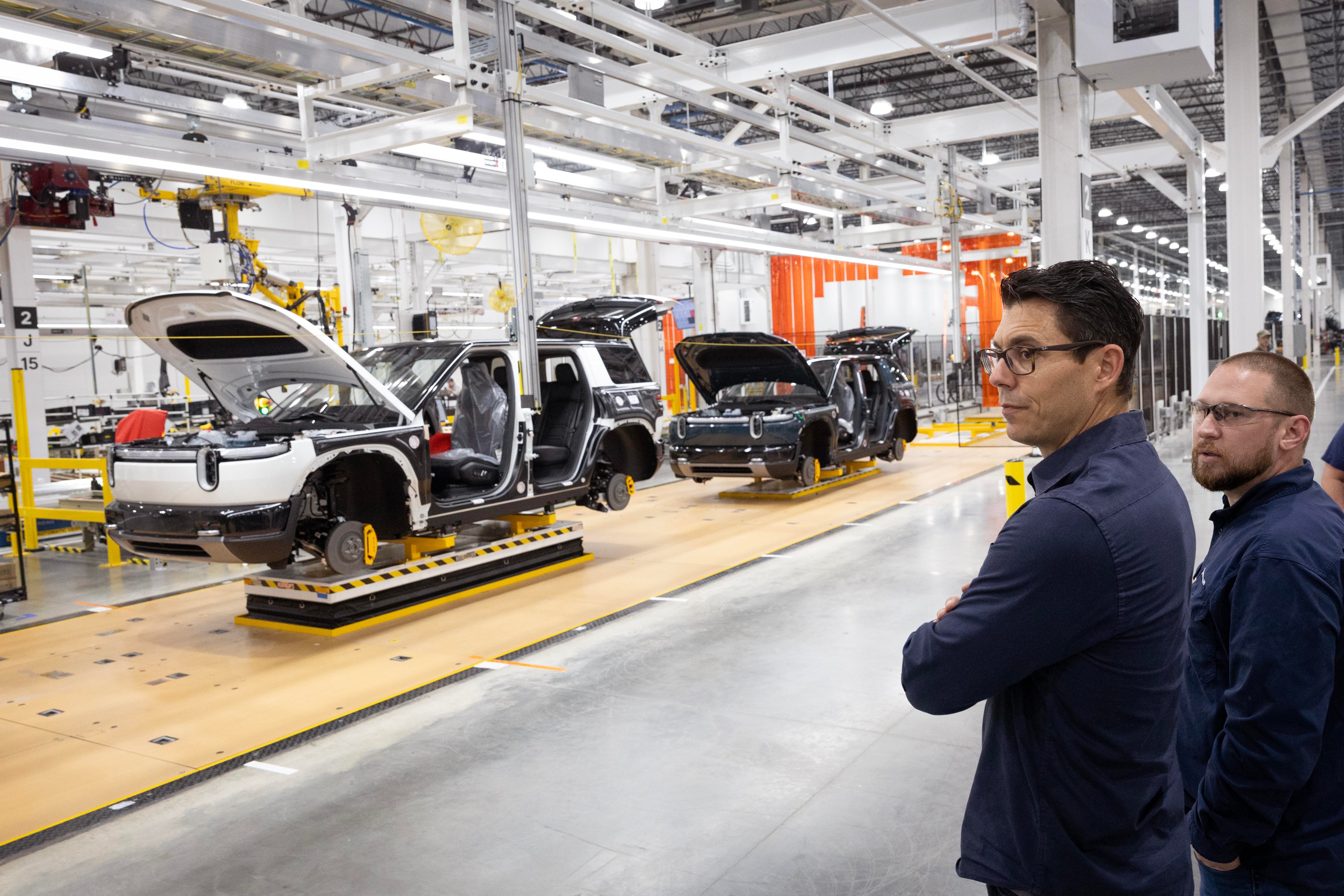
Rivian CEO RJ Scaringe spent a significant portion of the company's earnings call discussing self-driving technology. During the call, Scaringe emphasized autonomy as a key product differentiator, market share driver, and long-term value creator for Rivian. However, the company faces a major challenge in competing with Tesla, which has a head start in the autonomous vehicle market with its Full Self-Driving (Supervised) system in over 1.7 million active customer vehicles.
Rivian's autonomous vehicle ambitions include developing custom chips, pricey lidar sensors, and AI computing power while still scaling up production of its mass-market R2 SUV. The company plans to roll out its point-to-point hands-free driving feature to employees for testing in 2026, followed by customers in 2027, and eventually launch its first robotaxi vehicles in partnership with Uber in 2028.
Success in this high-stakes gamble is not guaranteed, as Rivian will face numerous hurdles, including the complexity of urban driving, potential crashes damaging the brand, and legal challenges from accidents. Despite these risks, Rivian sees self-driving technology as crucial for achieving software-like profits and hopes the new feature will boost long-term demand for its vehicles.
Written by urgent.news from The Verge's reporting — not their text. Machine-written — may contain errors; check the original before relying on it.