Advice from a sports medicine expert: Try out the trendy sport of Padel? Caution with joint problems
Fast mix of tennis and squash: Padel is trending. However, if you're new to it, don't overdo it for the sake of your joints, muscles, and tendons. The most important tips.
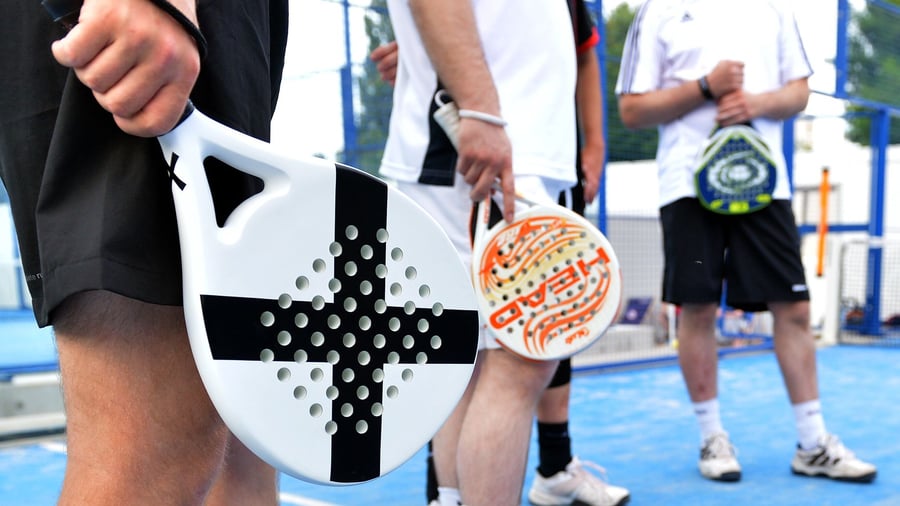
For those who enjoy tennis or squash, it's likely they'll love padel, a sport often played in doubles. The walls are part of the game, leading to surprising ball changes and fast-paced action. Regular play provides a good workout, strengthening the cardiovascular system while also improving agility, coordination, concentration, and reaction speed.
However, according to sports physician Prof. Sven Ostermeier, sudden changes in direction put stress on the knees. Those with knee problems should approach padel cautiously and seek medical approval before playing. The sport demands numerous sudden direction changes, stops, rotations, and jumps, which can take a toll on the joints.
Additionally, the frequent "on one's toes" stance can strain the knees. For newcomers, Ostermeier recommends five key tips when starting padel. Begin slowly, take regular breaks, gradually increase training time to allow muscles, tendons, and other tissues to adapt. Warm-up thoroughly to reduce the risk of injury. Jogging to the padel hall also warms up the body.
Wear padel shoes for better foot support and to protect the ankle and Achilles tendon during jumps. Post-training, the sports physician advises doing stretching exercises to relax and soothe the muscles. Even if it was enjoyable, don't book a court for the next day's session right away, as muscles and joints need time to recover.
Take any tennis-arm warning signs seriously. One-sided stress on the racket-hand can irritate the forearm extensor muscles, causing tiny micro-tears. Symptoms include pain on the outside of the elbow. It's time for a break from padel.
Written by urgent.news from Handelsblatt's reporting — not their text. Machine-written — may contain errors; check the original before relying on it.