Rare meteorite from Mars gives us a view into its ancient crust
A meteorite found in the Sahara is a rare piece of Mars' ancient crust.
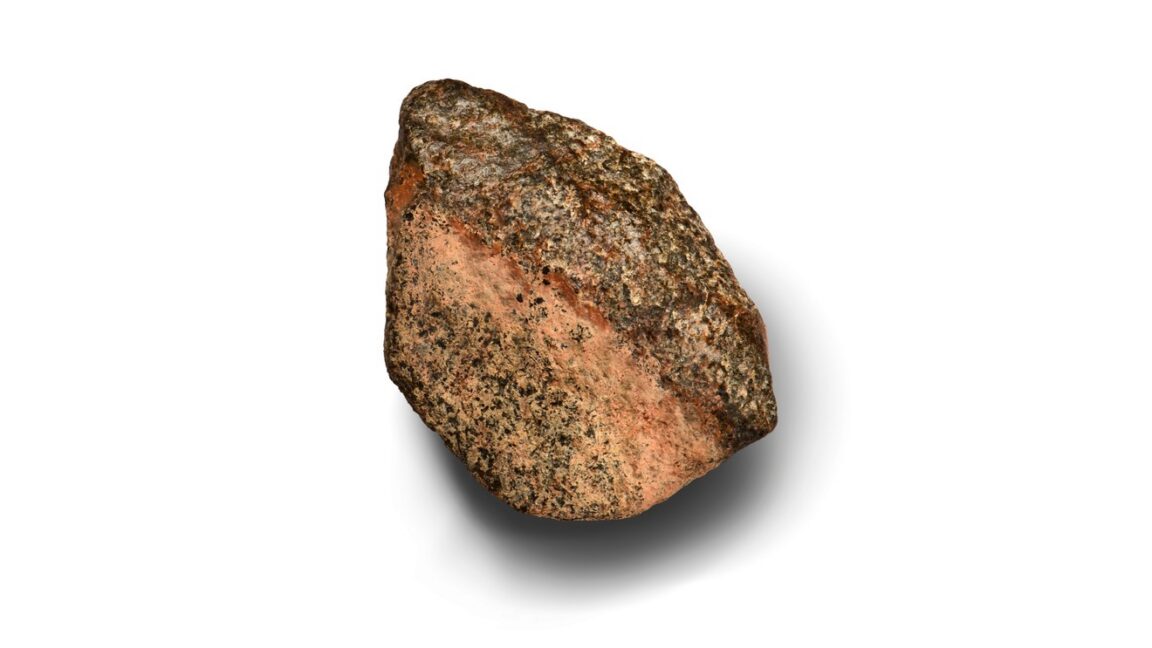
A rare Martian meteorite, Teghaza 001, discovered in the Sahara Desert of Mali in 2022, has been found to be at least 4.1 billion years old, offering a glimpse into the ancient crust of the red planet. This discovery, led by planetary scientist Yang Liu from NASA's Jet Propulsion Laboratory, contradicts the general belief that most of Mars' surface is over 3 billion years old.
Despite the age of the majority of the Martian surface, the three known classes of Martian meteorites—shergottites, nakhlites, and chassignites—were all younger than 2.4 billion years. Only two ancient Martian meteorites, Allan Hills 84001 and Black Beauty, were previously known. Teghaza 001's age of 4.1 billion years, coupled with its similarity to some of the oldest rocks on Earth, raises questions about why ancient Martian rocks are so scarce on our planet.
Liu suggests that the rarity of these ancient rocks might be due to the specific conditions required for a piece of Mars to escape its gravity and survive the journey to Earth. The process of a large impact launching a rock from Mars often results in the rock becoming cemented and unable to fly off Mars due to weak composition, acting as a natural filter.
Written by urgent.news from Ars Technica Science's reporting — not their text. Machine-written — may contain errors; check the original before relying on it.
This story
This is one outlet's version. Read the fullest account.
- Rare meteorite from Mars gives us a view into its ancient crust arstechnica.com