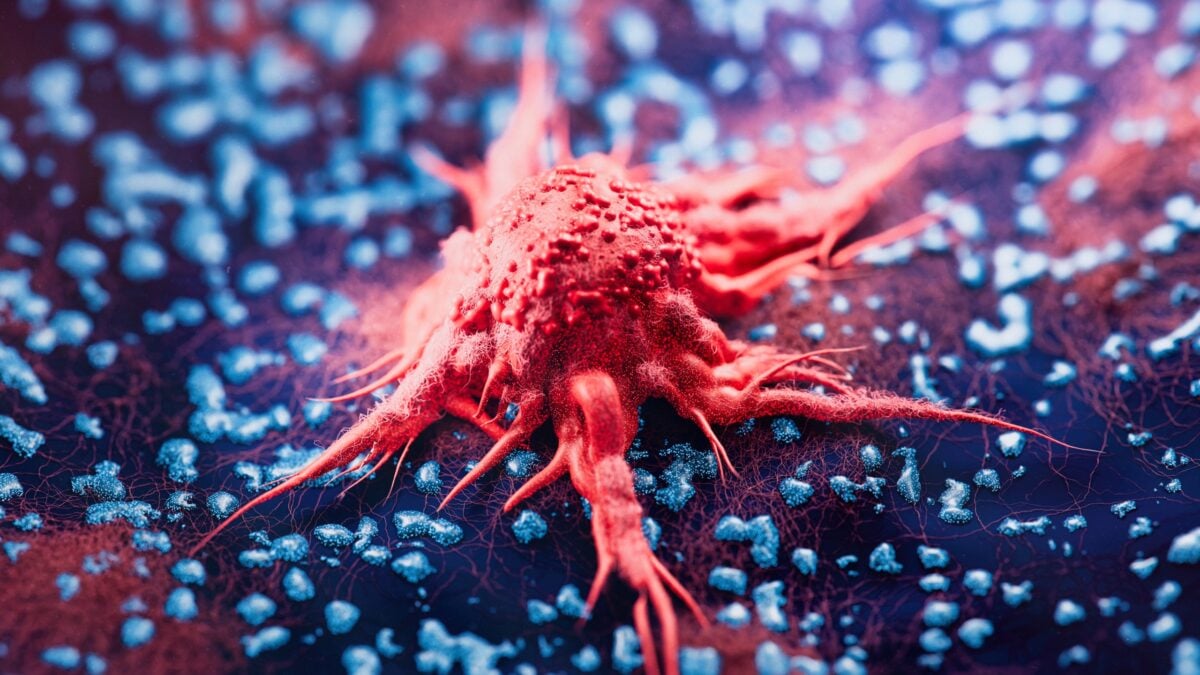
Protecting your heart health during breast cancer treatment
Dr Rowina Lynne Murray of Institut Jantung Negara explains the effects of breast cancer treatment on the heart, symptoms to look out for and the importance of early detection.

Breast cancer patients often overlook their heart health during treatment, but it's crucial to consider it as part of their overall care. Cardiovascular disease shares risk factors with breast cancer, including obesity, smoking, and an unhealthy diet. Some hormone treatments and chemotherapy drugs can raise blood pressure or cholesterol levels, while radiotherapy to the chest may damage the heart or narrow blood vessels.
This damage, known as cardiotoxicity, occurs in about 5-15% of women treated for breast cancer and is common among older women and those with high blood pressure or diabetes.
To monitor heart health, patients should discuss their cardiovascular risk factors with their doctor before starting treatment. Doctors may order blood tests, an electrocardiogram (ECG), or an echocardiogram (echo) to assess heart function. Regular heart scans every three months or more frequently if needed can help detect early signs of weakening. If heart problems arise, doctors work with cancer specialists to determine if the treatment should continue and if medications can slow down progression.
Simple lifestyle changes, such as quitting smoking, limiting alcohol, maintaining a balanced diet, and engaging in moderate-intensity activities like brisk walking, can help care for heart health during breast cancer treatment. Early detection is key to treating breast cancer at a lower stage with less aggressive treatments, which may reduce the risk of treatment-related cardiac complications.
Written by urgent.news from Free Malaysia Today's reporting — not their text. Machine-written — may contain errors; check the original before relying on it.
Also reported by 1 other outlet
- Protecting your heart health during breast cancer treatment freemalaysiatoday.com