Private-sector council proposes use of forex surplus to cover fiscal measures
Funds are needed to cut the consumption tax rate on food to fight inflation, and to strengthen the country's defense capabilities.
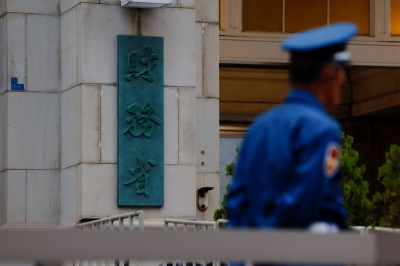
Members of a government council representing private-sector interests have suggested utilizing surplus funds in Japan’s foreign exchange special account to address significant fiscal requirements. This proposal was discussed during a meeting of the Council on Economic and Fiscal Policy (CEFP), chaired by Prime Minister Sanae Takaichi.
The council is currently evaluating various strategies to thoroughly revise the state budgeting process, considering the substantial financial investments necessary to enhance the nation’s resilience and prosperity under the Takaichi administration’s economic strategy. Additionally, funds are required to lower the consumption tax rate on food from 8% to 1% for a two-year period beginning April 2027, as part of measures to combat inflation, and to bolster the country’s defense capabilities.
Over the past few years, surpluses in the foreign exchange special account, which is responsible for managing funds for currency market intervention, have consistently reached around ¥5 trillion ($31.7 billion) annually. This surge in surpluses is primarily attributed to the appreciation of the yen against foreign currencies due to the latter’s declining value, along with increased interest revenue resulting from higher global interest rates.
The Finance Ministry typically allocates approximately 30% of these surpluses to the government’s general and other accounts to mitigate potential fund shortages in the foreign exchange account, which could arise from factors such as sudden changes in exchange rates and interest rates. The ministry maintains this practice to ensure that the total surpluses equate to about 30% of the government’s foreign assets.
At the close of fiscal year 2024, the accumulated balance of surpluses reached ¥30.2 trillion, representing 22.4% of the total. Private-sector participants at the CEFP urged the government to utilize surpluses as a benchmark for determining the necessary fiscal buffers to counter foreign exchange-related risks. As of the end of fiscal year 2024, the difference between assets and debts, encompassing short-term government securities issued to procure yen for currency market intervention, amounted to ¥85.8 trillion.
This figure exceeded 40% of the government’s foreign currency assets, indicating that sufficient fiscal reserves have been established for addressing foreign exchange-related risks at the prevailing exchange rates. In relation to the drafting of the fiscal 2027 budget, the private-sector members emphasized the importance of clearly outlining budgetary measures for public-private investments in the initial year, as well as the scale and timing of fiscal interventions, along with the specific methods of support to be provided in subsequent years.
Written by urgent.news from Japan Times's reporting — not their text. Machine-written — may contain errors; check the original before relying on it.